
The synthesis of combination therapies and early detection creates a feedback loop that amplifies the effectiveness of modern cancer treatment protocols. This paradigm shift means oncologists no longer view cancer as a static entity confined to a single organ like the lung or breast. Instead, they

By targeting the MC4R receptor with a small-molecule approach, Superluminal Medicines seeks to provide relief for patients suffering from hyperphagia and rare metabolic defects. This ambitious goal is now backed by a significant $60 million Series A funding round led by RA Capital Management, with
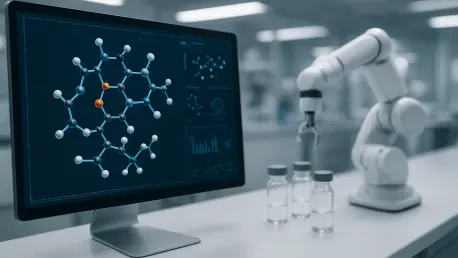
The technological ability to decode the complex molecular signatures of human aging and intervene with precision-engineered molecules has shifted from theoretical biology toward a measurable clinical reality. This evolution is driven by the sophisticated integration of generative artificial

The recent observation of motor skill improvement and reduced chronic fatigue in multiple sclerosis patients marks a potential turning point in immunotherapy research. For years, the scientific community focused on Chimeric Antigen Receptor T-cell therapy as a weapon against terminal blood cancers,

Under the leadership of Dr. Patrick Hwu, Moffitt Cancer Center is evolving into a facility that prioritizes the rapid translation of laboratory discoveries into clinical products for patient use. This strategic direction stems from a professional journey that began in the unlikely setting of St.

Recent setbacks in autoimmune trials have prompted a return to more established, well-validated manufacturing standards to ensure long-term patient stability. While the initial migration of Chimeric Antigen Receptor T-cell therapy from liquid tumors to refractory autoimmune diseases sparked immense