The ongoing battle against highly aggressive blood cancers has reached a pivotal moment with the emergence of a groundbreaking therapy that demonstrated remarkable effectiveness in recent clinical trials. Comprehensive data presented at the 67th American Society of Hematology (ASH) Annual Meeting

In the quiet corners of American healthcare, a profound transformation is unfolding around hospice and palliative care, services dedicated to easing the final chapters of life for terminally ill patients and offering solace to their families. As the nation’s population ages, with millions entering
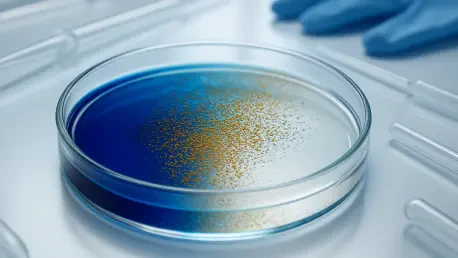
I'm thrilled to be speaking with Ivan Kairatov, a renowned biopharma expert whose extensive experience in research and development has positioned him at the forefront of cutting-edge cancer treatment technologies. Today, we’ll dive into the groundbreaking work on nanodots made from molybdenum
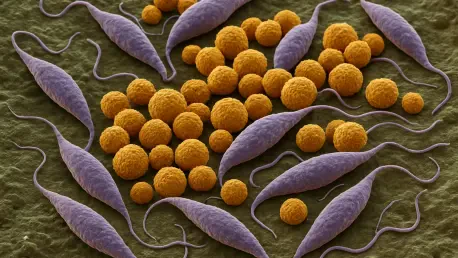
Leishmaniasis, a debilitating infectious disease caused by the protozoan parasite Leishmania , continues to afflict millions of people worldwide, predominantly in under-resourced regions where access to effective healthcare remains a significant challenge. Among its numerous species, Leishmania
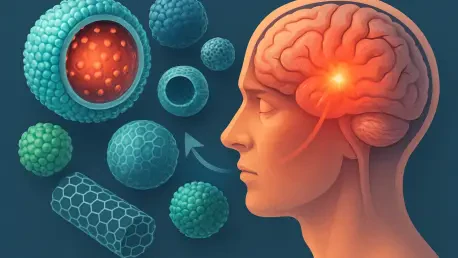
What happens when a traumatic brain injury (TBI) strikes, leaving millions grappling with invisible damage that traditional medicine struggles to detect or treat? In emergency rooms and clinics worldwide, this silent epidemic affects over 60 million people annually, often leading to lifelong
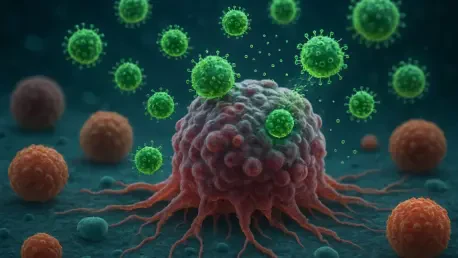
Cancer remains one of the most formidable challenges in modern medicine, with treatments like chemotherapy often causing as much harm as help due to their indiscriminate attack on both cancerous and healthy cells. Imagine a scenario where a drug could be delivered with pinpoint accuracy, targeting