The transformation of human hookworms from harmful intestinal parasites into sophisticated, living drug factories represents one of the most radical shifts in modern bioengineering and therapeutic delivery. While these organisms have historically been associated with disease and malnutrition in

The sheer scale of potential chemical compounds, estimated at ten to the sixtieth power, has long stood as an insurmountable barrier for pharmaceutical researchers attempting to identify viable therapeutic candidates. Traditionally, identifying a single molecule capable of binding to a specific
The medical community is navigating a period where surviving a terminal diagnosis no longer guarantees a life free from severe physiological repercussions due to the unintended consequences of high-potency treatments. Oncology has entered a golden age of precision medicine and immunotherapy, yet
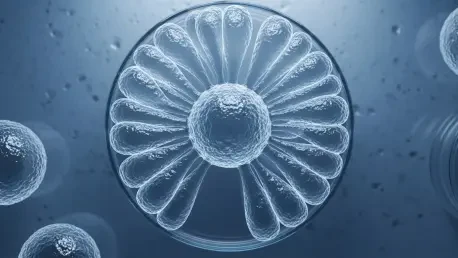
The traditional understanding of the immune system often places T cells as the primary assassins of malignancy, leaving other cells to perform the menial tasks of biological waste management. For many decades, the medical community viewed macrophages as simple cellular janitors that were only
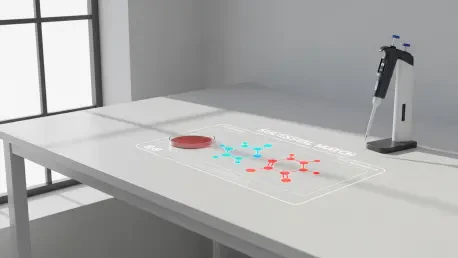
The ongoing escalation of antimicrobial resistance has effectively pushed modern medicine toward a precipice where common infections could once again become untreatable without a fundamental shift in drug discovery. This looming crisis is particularly evident in the treatment of Neisseria
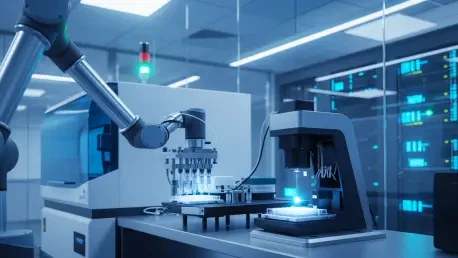
The global pharmaceutical sector is currently undergoing a massive transformation as the industry faces the dual challenges of rising research costs and the diminishing returns of traditional screening methods. Innovations in artificial intelligence and robotics are no longer merely speculative