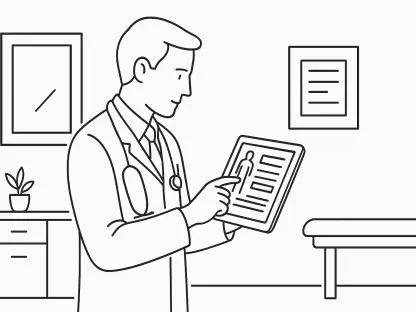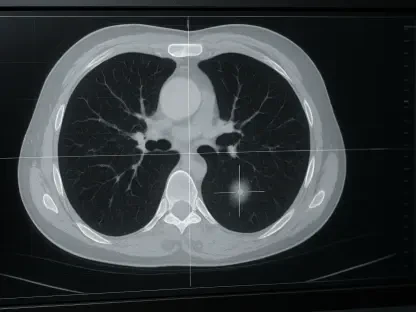

Managing the risk of credential abuse and system disruption requires a threat-adaptive framework that stays current with the evolving tactics used by cybercriminals to target medical records. Rural healthcare facilities are the quiet backbone of the American medical system, yet they increasingly
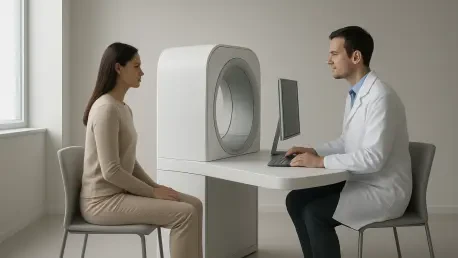
The clinical perception that neurological decay remains a distant threat for the young has been shattered by evidence that psychiatric struggles can accelerate the biological clock significantly. For decades, the medical community viewed dementia and stroke as the "graying" of the brain, a concern

Utilizing a Visual-Global Relation Fusion Network enables the discovery of crucial pathological connections that define a patient's biological response to diverse chemotherapy regimens. This breakthrough represents a seismic shift in modern oncology, moving away from the conventional
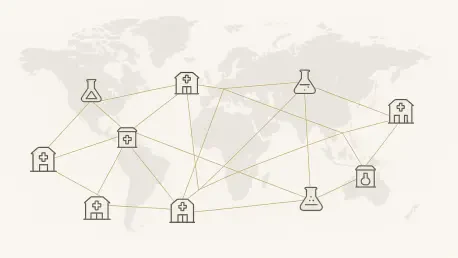
The significant reduction in breast cancer mortality since the late eighties demonstrates the cumulative impact of multi-disciplinary advancements in screening, surgery, and tailored pharmacotherapy. This profound shift marks the evolution of oncology from a reactive field struggling against a

In an era where digital convenience often dictates how patients interact with their healthcare providers, the invisible exchange of data behind the screen has become a central focus for legal scrutiny. The Miami Beach-based Mount Sinai Medical Center is addressing allegations of privacy violations

Transitioning from an experimental tool to a foundational administrative asset, ambient voice technology is now being utilized across the NHS to automate the labor-intensive process of clinical documentation and coding. This shift follows pivotal guidance issued in the summer of 2026 by the