
Bypassing traditional bureaucratic bodies like the World Health Organization may allow for more agile and direct coordination between the U.S. and China on biosecurity. As we navigate the complex landscape of 2026, the intersection of advanced large language models and synthetic biology has
Traditional views of Information Technology as an ancillary back-office function are being rejected in favor of a clinical care model. The healthcare sector has reached a tipping point where a network failure is now as critical as a power outage in an intensive care unit. Recent breaches at

Documentation such as bank statements or receipts is required for those seeking to recover up to $500 in ordinary expenses related to credit monitoring and identity fees. This requirement stems from the final resolution of a class-action lawsuit against the Fort Wayne Medical Education Program

Although India maintains a robust network of over 150 viral research laboratories, the architecture is primarily designed for public health rather than forensic attribution. This distinction is becoming increasingly vital as the national security landscape shifts away from large-scale insurgencies
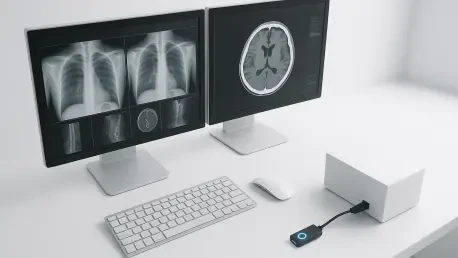
Maintaining rigorous audit logs and intrusion detection systems is essential for providing real-time alerts against mutational cyberattacks that adapt to standard defenses. As medical imaging becomes the central nervous system of modern healthcare, the complexity of its digital architecture has
Criminals are leveraging the trust associated with digital medical platforms to execute sophisticated identity theft and financial fraud against the elderly. In recent months, Ohio has seen a sharp increase in fraudulent activity specifically targeting patients using the MyChart application, which