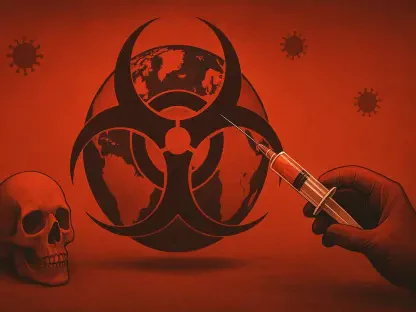

Bypassing traditional bureaucratic bodies like the World Health Organization may allow for more agile and direct coordination between the U.S. and China on biosecurity. As we navigate the complex landscape of 2026, the intersection of advanced large language models and synthetic biology has introduced a set of risks that do not neatly fit into existing international frameworks. The speed at which artificial intelligence can now analyze protein folding and sequence viral genomes has outpaced the deliberative cycles of global health institutions, necessitating a more direct, bilateral approach between the primary technological powers of the world. By focusing on tangible, physical bottlenecks rather than abstract software regulations, the United States and China can establish a baseline of security that protects the global population from the accidental or intentional release of engineered pathogens. This strategic alignment is not merely a matter of diplomatic nicety but a fundamental requirement for the continued development of the bio-economy, which relies on public trust and the prevention of catastrophic biological events that could derail decades of scientific progress.
The rapid evolution of frontier artificial intelligence models has fundamentally altered the threat landscape by democratizing access to sophisticated biological insights that were once the sole province of highly specialized researchers. These models, trained on vast datasets of genomic sequences and scientific literature, are increasingly capable of suggesting modifications to known viruses to enhance their environmental stability or evade human immune responses. While the primary application of such technology remains the noble pursuit of drug discovery and vaccine development, the dual-use nature of these tools cannot be ignored by responsible policymakers. The technical barriers to engineering a pandemic-capable agent are effectively crumbling, as artificial intelligence assists in every stage of the design process, from identifying optimized receptor-binding domains to predicting the folding patterns of novel toxins. Consequently, the focus of international security must shift from trying to control the dissemination of digital knowledge, which is inherently fluid and difficult to contain, to the physical realization of these digital blueprints in the real world.
Managing the Dual-Use Challenges of Generative Artificial Intelligence
Central to this security paradigm is the recognition that even the most sophisticated AI-generated biological design remains a harmless digital file until it is converted into physical DNA or RNA sequences. This conversion happens at specialized facilities known as nucleic acid synthesis providers, which act as the critical gateway between the cyber and physical biological domains. By identifying this stage as a strategic chokepoint, governments can implement high-leverage interventions that are both technically feasible and economically manageable. Unlike the daunting task of monitoring every server or desktop computer running a local AI model, the global infrastructure for high-throughput DNA synthesis is relatively concentrated and identifiable. Securing this narrow segment of the biotech pipeline allows for a robust defense-in-depth strategy that does not require intrusive surveillance of individual researchers or the stifling of general AI development. It provides a concrete mechanism to ensure that the most dangerous potential outputs of artificial intelligence are intercepted before they can be utilized in a laboratory setting or released into the environment.
The effectiveness of sequence screening is further enhanced by its ability to adapt to the shifting nature of biological threats as identified by artificial intelligence itself. As new synthetic threats emerge, the databases used for screening can be updated in near real-time, providing a dynamic defense that keeps pace with the speed of innovation in the life sciences. This proactive stance is essential because the window between the design of a novel agent and its potential synthesis is shrinking rapidly. Furthermore, sequence screening acts as a vital primary defense that protects the laboratory environment from accidental exposure to hazardous materials that may have been incorrectly identified during the digital design phase. It serves as a sanity check for the entire biological research ecosystem, ensuring that the physical production of genetic material remains within the bounds of accepted safety protocols. By codifying these technical checks into national law and international agreements, the U.S. and China can create a reliable firewall that prevents the most catastrophic misuse of biotechnology while allowing the vast majority of beneficial research to proceed without interruption.
Strengthening Global Security through Rigorous Sequence Screening
Establishing a mandatory screening protocol for all synthetic DNA orders represents the most effective tactical response to the threat of AI-enabled biological risks. This process involves the use of sophisticated bioinformatics tools to compare every incoming order against a comprehensive database of known pathogens, toxins, and regulated agents. When a sequence is flagged as having high homology to a dangerous virus or bacterium, it triggers a manual review by biosecurity experts who can determine the legitimacy of the research. Modern screening software has reached a level of maturity where it can identify fragments of genetic code that could be used to assemble a functional pathogen, even if the user attempts to disguise the order through split-ordering across multiple providers. By making this screening mandatory rather than voluntary, the United States and China can eliminate the security arbitrage that currently exists, where researchers or malicious actors might seek out less regulated providers to bypass safety checks. This unified front ensures that the global standard for biosecurity is raised to the level of the most stringent jurisdictions, rather than falling to the lowest common denominator.
Integrating these identity checks with sequence screening creates a multi-factor security environment that significantly raises the cost and complexity for any individual attempting to acquire dangerous biological agents. While commercial screening is the most immediate and effective target for global biosecurity, both nations must also collaborate on addressing emerging technical loopholes such as benchtop DNA synthesizers. These decentralized machines allow researchers to print DNA directly in their own laboratories, potentially bypassing the centralized screening protocols of large commercial providers. Addressing this challenge requires a coordinated effort to ensure that the manufacturers of these benchtop devices integrate mandatory, cloud-based screening software directly into the hardware’s operating system. If a machine is not connected to the approved screening service, it should technically be unable to function or process certain classes of genetic material. The United States and China, as the primary innovators in this hardware space, have a shared interest in ensuring that the decentralization of synthesis technology does not lead to a total loss of oversight.
China’s Role in the International Biotech Supply Chain
Any effort to secure the DNA synthesis pipeline would be fundamentally incomplete without the active participation and leadership of China, which currently hosts more than a third of the world’s synthesis capacity. The biotech supply chain is deeply interconnected, with American researchers frequently sourcing materials from Chinese firms and vice-versa, creating a shared vulnerability that requires a coordinated response. If the United States were to implement strict domestic mandates without corresponding action from Beijing, the global market would simply shift toward more permissive environments, rendering the American regulations largely performative. China’s significant market share gives it a unique responsibility and a unique opportunity to act as a stabilizer in the global biosecurity landscape. By aligning its domestic regulations with international best practices, China can protect its growing reputation as a leader in biotechnology and ensure that its companies are not excluded from lucrative Western markets due to security concerns. This alignment is a matter of both national security and economic interest for a nation that has invested heavily in becoming a premier global bio-manufacturing hub.
Moreover, China’s internal artificial intelligence landscape presents specific challenges that make physical synthesis screening particularly vital for its own domestic stability. The Chinese tech ecosystem has become a global leader in the development and deployment of open-source AI models, which are often released with fewer built-in safety filters than the proprietary models common in the United States. Once the weights of these open-source models are available, it is nearly impossible to prevent users from fine-tuning them for biological design tasks or bypassing existing guardrails. This reality makes the downstream chokepoint of physical synthesis screening the most reliable line of defense against the misuse of localized AI instances. For Chinese authorities, ensuring that every domestic synthesis provider adheres to strict screening and customer verification protocols is the only way to mitigate the risks posed by the decentralization of AI power. By securing the physical output, Beijing can allow its AI industry to continue its rapid innovation and open-source contributions without the constant fear that a single rogue actor could use those tools to initiate a public health crisis within China’s borders.
Navigating Policy Gaps and Legislative Momentum
In the United States, there is a burgeoning consensus among both the executive and legislative branches that the intersection of AI and biosecurity requires a more robust regulatory framework. Recent legislative initiatives in the Senate have proposed making sequence screening a prerequisite for any company receiving federal funding or participating in the national bio-economy. These efforts are driven by the realization that while the American biotech sector is innovative, its security protocols are currently a patchwork of voluntary industry standards that do not cover the entire market. Lawmakers are increasingly looking to empower agencies like the Department of Health and Human Services to set mandatory technical standards for screening software and data privacy. However, these domestic actions are viewed as half-measures by many experts if they are not paired with a broader diplomatic strategy to ensure that international competitors are held to the same high standards. The goal is to move beyond a purely reactive stance and create a predictable, legal environment where security is a core component of the business model for every synthesis provider operating in the U.S. market.
China has also made significant strides in defining its own legal approach to biological risks, particularly following the implementation of its comprehensive Biosecurity Law in recent years. This foundational legislation provides the Chinese government with the broad authority necessary to mandate strict sequence screening and identity verification protocols across its entire domestic industry. While many major Chinese firms already participate in international voluntary screening consortia, there is a growing recognition within Beijing that voluntary compliance is insufficient to handle the high-stakes risks associated with frontier artificial intelligence. The shared trauma of the COVID-19 pandemic remains a powerful domestic incentive for Chinese leadership to prevent future biological catastrophes, which could threaten the nation’s social and economic stability. By formalizing synthesis screening into a mandatory national requirement, China can demonstrate its commitment to global health security while also streamlining its internal oversight of the biotech sector. This legal evolution creates a natural bridge for cooperation with the United States, as both nations are moving toward similar regulatory conclusions despite their broader geopolitical differences.
Balancing Innovation with Stringent Security Measures
One of the most persistent arguments against mandatory synthesis screening is the fear that it will impose a significant economic burden on the biotech industry or stifle the pace of scientific innovation. However, empirical analysis suggests that these concerns are largely overstated, as the cost of implementing advanced screening software has plummeted even as its accuracy has increased. For most synthesis providers, the cost of a security check represents a negligible fraction of the total price of the order, and the process can be largely automated to prevent significant delays in fulfillment. Furthermore, because the development of new drugs or vaccines typically takes several years of rigorous testing and clinical trials, a security review that adds a few days to the initial acquisition of genetic material does not meaningfully impact the overall speed of research. In fact, a standardized screening regime provides a level of regulatory certainty that can actually encourage investment by reducing the risk of a major safety incident that could lead to a total shutdown of the industry or the imposition of much more restrictive emergency measures.
From a broader macroeconomic perspective, the return on investment for global synthesis screening is astronomical when compared to the potential costs of a single AI-enabled pandemic. The economic devastation caused by global outbreaks in recent history, totaling trillions of dollars in lost productivity and healthcare expenses, dwarfs the trivial administrative costs associated with securing the biotech supply chain. By preventing even a single major outbreak, the mandatory screening protocols implemented by the U.S. and China would provide a massive public benefit that far outweighs any minor inconvenience to the research community. This perspective helps to frame biosecurity not as a tax on innovation, but as a necessary insurance policy for the global economy. By creating a level playing field where every company is required to adhere to the same safety standards, the two nations can protect responsible firms from being undercut by unscrupulous providers who might otherwise sacrifice safety for lower costs. This alignment of economic and security interests provides a stable foundation for long-term cooperation that can withstand the fluctuations of the broader political climate.
Implementing Models of Demonstrated Cooperation
To overcome the high levels of distrust that often characterize the current relationship between Washington and Beijing, a strategy of demonstrated cooperation is far more practical than seeking immediate, legally binding international treaties. This approach involves each nation taking independent, domestic actions that are clearly visible to the other side and that align with their shared self-interest in pandemic prevention. For example, if the United States formalizes its synthesis screening mandates for federal contractors, and China simultaneously implements its own mandatory national standards, both sides can observe a tangible improvement in the security landscape without the need for complex, multi-lateral negotiations. This creates a virtuous cycle where each nation competes to prove that its own screening regime is robust and effective, signaling its seriousness about biosecurity to the global community. This model of cooperation is particularly effective for AI and biotech because it focuses on securing physical outputs—a goal that is inherently easier to verify than the internal workings of a proprietary AI model or a classified research program.
Focusing on synthesis screening as a foundational pillar of diplomacy allows both the U.S. and China to sidestep the more contentious and zero-sum aspects of the global AI race. While there may be deep disagreements regarding the development of semiconductor technology or the military applications of artificial intelligence, the prevention of an engineered plague is a goal where interests are perfectly aligned. By demonstrating that they can work together on this specific, high-leverage issue, the two superpowers can build the muscles of cooperation that may eventually be applied to more difficult areas of technological governance. Because synthesis screening only secures the physical output without slowing down the underlying AI research, it serves as a pragmatic starting point that does not require either side to compromise its technological ambitions. This approach recognizes that in a multipolar world, the most effective forms of global governance will often emerge from the overlapping domestic interests of the major powers rather than from top-down mandates issued by centralized international organizations.
Future Pathways for Technical Consensus and Global Safety
The immediate path forward should focus on achieving technical consensus between the scientific and security communities of both nations, rather than rushing toward political declarations. Upcoming bilateral dialogues should prioritize the creation of a shared baseline for what constitutes a dangerous sequence and what types of customer data are necessary for effective verification. By starting with voluntary reporting and the sharing of anonymized data on market coverage, both sides can build transparency and trust without revealing sensitive national security secrets or proprietary business information. Utilizing neutral intermediaries, such as international biosecurity organizations or non-governmental scientific consortia, can help bridge the gap between Washington and Beijing by providing a platform for technical discussions that are viewed as scientifically sound rather than politically motivated. These organizations can play a crucial role in developing and hosting the standardized databases and screening algorithms that will form the backbone of a global biosecurity network, ensuring that the technology used to secure the supply chain is as sophisticated as the threats it is designed to prevent.
In the end, the collaborative efforts between the United States and China to secure the nucleic acid synthesis pipeline established a vital precedent for the responsible governance of dual-use technologies. By focusing on the physical chokepoints where AI-generated designs were transformed into biological reality, both nations successfully mitigated some of the most acute risks associated with the convergence of these two powerful fields. The implementation of mandatory screening and robust customer verification protocols proved to be a manageable task that protected global health without hampering the rapid pace of scientific discovery. Leaders from both countries recognized that the stability of the global bio-economy depended on their ability to act as responsible stewards of the genetic code. This move toward direct coordination and technical alignment ultimately served as a blueprint for how major powers could navigate the complexities of the modern era, prioritizing the collective safety of humanity over narrow geopolitical competition. The progress made in this specific domain demonstrated that even in a period of significant tension, the shared threat of a biological catastrophe was a powerful enough incentive to drive meaningful and lasting change in international security standards.