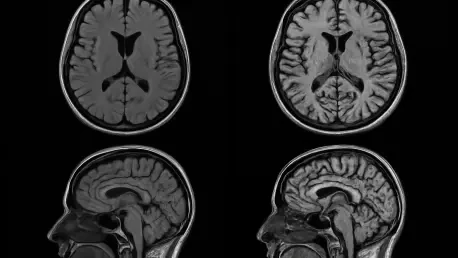
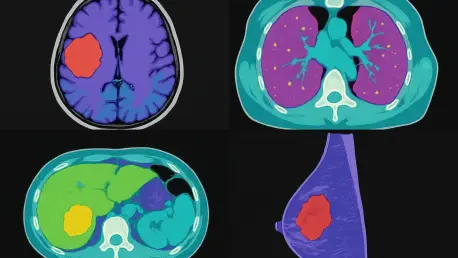
What if a technology could transform the way doctors analyze intricate medical scans, cutting down hours of work into mere minutes with unerring precision, while making diagnostics more accessible worldwide? Picture a hospital overwhelmed with brain MRI scans, where clinicians struggle to keep up
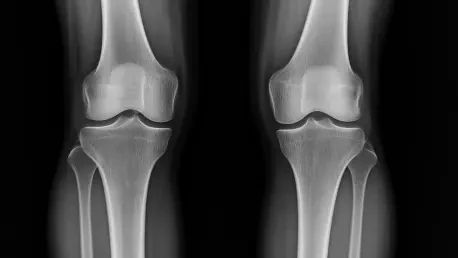
What if a glimpse into the future could save millions from the crippling pain of osteoarthritis, a condition affecting over 500 million people worldwide? Picture a tool that shows how a knee joint might look a year from now, revealing the silent progression of this debilitating disease. This isn't

In a world where obesity rates have more than doubled since 1990, the accumulation of excess body fat, known as adiposity, has emerged as a critical public health challenge with profound implications for mortality and chronic disease risk. This staggering rise positions adiposity as a leading

In the ever-evolving landscape of medical technology, a staggering statistic underscores a pressing challenge: gliomas, which constitute 81% of malignant intracranial tumors, often evade complete surgical removal due to the difficulty in distinguishing tumor tissue from healthy brain matter during
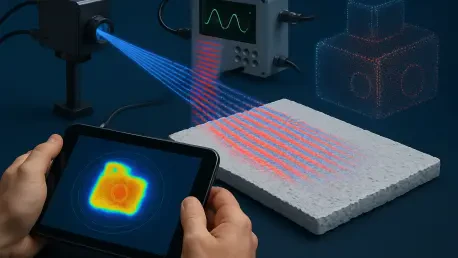
I'm thrilled to sit down with Ivan Kairatov, a distinguished expert in biopharma with a profound understanding of technological innovation and research in the field. Today, we’re diving into the groundbreaking advancements in biomedical imaging, specifically focusing on a pioneering project at the
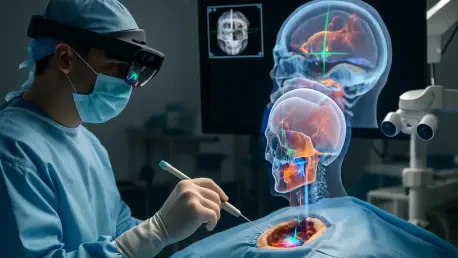
In the rapidly evolving landscape of medical technology, augmented reality (AR) is emerging as a game-changer, particularly in the realm of surgical navigation. Imagine a surgeon performing a complex, minimally invasive procedure with the ability to see through a patient’s skin, visualizing