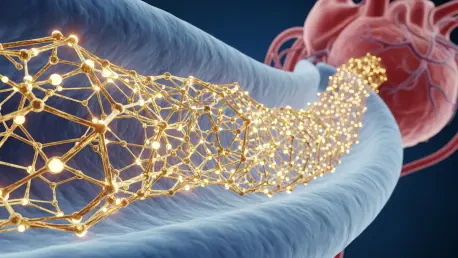
The long-standing ambition of regenerating damaged myocardial tissue has frequently encountered a formidable barrier that separates laboratory success from widespread clinical application. While the biological potential of stem cells to transform into functional heart muscle is well-documented, the
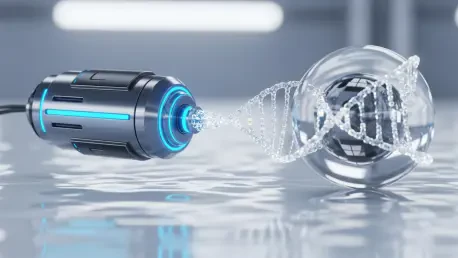
The integration of sophisticated biotechnology into mechanical engineering has reached a significant milestone as researchers at the University of Basel successfully demonstrated a modular nanorobot capable of autonomous task execution. Rather than relying on the static designs that once limited

Ivan Kairatov is a titan in the biopharmaceutical sector, recognized for his pioneer work in integrating generative artificial intelligence into the traditional drug discovery pipeline. With a career spanning decades in research and development, Kairatov has been a vocal advocate for moving beyond
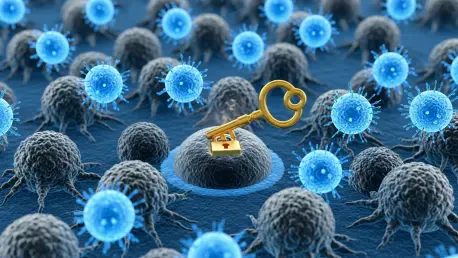
The clinical landscape of modern oncology has reached a frustrating plateau where certain aggressive malignancies, despite the advent of revolutionary treatments, remain completely invisible to the human immune system. This persistent invisibility characterizes "immune-cold" environments, where the
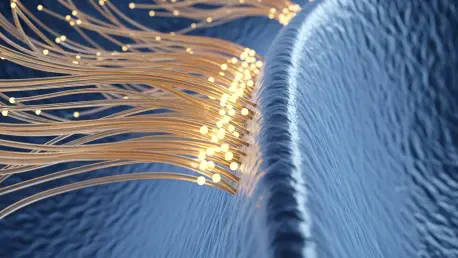
Ivan Kairatov stands at the absolute forefront of biopharmaceutical innovation, bringing a wealth of experience from the rigorous world of research and development to the complex study of cellular mechanics. His career has been defined by a deep-seated interest in how the microscopic infrastructure

Ivan Kairatov brings a wealth of experience from the front lines of biopharmaceutical innovation, where he has spent years dissecting the molecular and environmental drivers of disease. As early-onset colorectal cancer emerges as a puzzling and increasingly urgent public health crisis, his