
The significant reduction in breast cancer mortality since the late eighties demonstrates the cumulative impact of multi-disciplinary advancements in screening, surgery, and tailored pharmacotherapy. This profound shift marks the evolution of oncology from a reactive field struggling against a high-mortality diagnosis to a proactive discipline where breast cancer is increasingly viewed as a manageable, often curable condition. Organizations like the Alliance for Clinical Trials in Oncology are currently at the forefront of this metamorphosis, moving beyond the binary metric of survival to address the totality of the human experience. While the mortality rate in the United States has decreased by an impressive forty-four percent since 1989, the sheer volume of new diagnoses necessitates a more nuanced approach than the generic protocols of the past. Modern research is therefore redefining the benchmarks of success, prioritizing a sophisticated balance between rigorous medical intervention and the preservation of a patient’s long-term functional status. This transition toward personalized medicine ensures that clinicians no longer just treat a tumor, but rather tailor therapies to the unique biological markers of an individual’s cancer and their specific response to initial care. By focusing on how an individual responds to treatment in real-time, the medical community is moving toward a future where survivors do not just live longer, but live better, free from the excessive burdens of historical over-treatment.
The Strategic Pivot: Moving Toward Treatment De-escalation
A central theme in current clinical trials is the concept of treatment de-escalation, which seeks to identify patients who may safely undergo less intensive care without compromising their chances of a cure. For many years, the standard oncological protocol was to add more drugs and more aggressive interventions to ensure survival, but this approach often led to debilitating long-term physical toxicity and significant financial strain. Research such as the OptimICE-PCR study is now actively testing whether certain populations, specifically those with triple-negative breast cancer, can safely discontinue immunotherapy early if no invasive cancer remains at the time of surgery. This move away from a fixed duration of therapy represents a fundamental shift toward biological feedback, where the patient’s own physiological response dictates the necessary volume of medication. By sparing patients from unnecessary rounds of intensive drugs, researchers are successfully reducing the risk of permanent side effects like neuropathy or organ damage, effectively improving the lived experience of the survivor without sacrificing the primary goal of cancer eradication.
In a similar vein, the ShortStop-HER2 trial is currently investigating whether the duration of postoperative treatment for HER2-positive breast cancer can be safely reduced by half. By evaluating patients who achieve a complete pathological response after preoperative therapy, researchers are working to prove that a six-month regimen can be just as effective as the traditional year-long protocol that has been the standard for over a decade. This reduction in treatment time is not merely a matter of convenience; it is a vital strategy to mitigate the physical and emotional exhaustion that prolonged treatment cycles inevitably place on patients. Reducing the time spent in active treatment allows survivors to return to their normal lives, careers, and families much sooner, while also lowering the cumulative costs of care for both the individual and the healthcare system. These de-escalation strategies highlight a more mature phase of oncology where the focus is on precision and efficiency rather than sheer intensity, ensuring that every dose administered is strictly necessary for the patient’s long-term health and stability.
Enhancing Holistic Recovery: The Role of Physical and Behavioral Support
Modern oncology has expanded its scope to address the severe physical toll that chemotherapy and radiation take on the human body, particularly the issues of muscle wasting and chronic fatigue. The DEFEND trial is currently exploring how a structured exercise program, delivered through sophisticated telehealth platforms, can help patients maintain their independence and physical function during active treatment. By integrating digital health tools into standard care, researchers are making high-quality physical rehabilitation more accessible to patients regardless of their geographic location or socioeconomic status. This approach moves beyond simple recommendations for physical activity and instead provides a clinically monitored, data-driven framework for recovery. The goal is to ensure that the physical decline often associated with cancer treatment is minimized, allowing patients to maintain their strength and metabolic health throughout their journey. This proactive stance on physical wellness recognizes that the successful treatment of cancer must also include the preservation of the patient’s ability to perform daily tasks and enjoy a high quality of life.
Beyond physical fitness, contemporary research is tackling specific survivorship challenges that have historically been overlooked by the medical community, such as sexual health and behavioral wellness. The Revitalize trial is examining the efficacy of non-hormonal laser therapies to treat symptoms caused by estrogen-suppressing drugs, providing a critical solution for survivors who cannot use traditional hormone replacement therapies. This focus on intimate health is part of a broader effort to treat the whole person, acknowledging that recovery is not complete if a survivor’s quality of life remains significantly diminished by side effects. Furthermore, programs like Project Reach are utilizing low-cost, text-based interventions to support smoking cessation among rural survivors, proving that technology can effectively bridge the gap in healthcare access for underserved populations. By addressing these behavioral and physiological hurdles, researchers are creating a more comprehensive support system that extends far beyond the oncology clinic, ensuring that survivors have the tools they need to maintain their health and well-being for decades to come.
Precision Diagnostics: The Frontier of Early Detection and Genetic Access
Innovation in diagnostics is rapidly moving toward identifying cancer long before physical symptoms appear, primarily through the advancement of liquid biopsies. The Alliance for Clinical Trials is currently building a massive reference set for multicancer early-detection blood tests, which scan the bloodstream for DNA fragments and other biological markers indicative of early-stage malignancy. This rigorous data collection process is essential for ensuring that these new tests are accurate enough to be used on a global scale without leading to the dangers of overdiagnosis or unnecessary invasive procedures. By refining the sensitivity of these tests, clinicians aim to catch breast cancer at its most treatable stage, potentially eliminating the need for more aggressive surgical or chemical interventions later on. This shift toward molecular-level screening represents a significant departure from traditional imaging, offering a less invasive and potentially more frequent way to monitor high-risk populations. The integration of these blood-based diagnostics into routine care could fundamentally alter the landscape of oncology, turning the fight against cancer into a series of manageable, early-stage interceptions.
Research is also significantly expanding genetic health services for adolescents and young adults who face unique biological and social risks. Traditional genetic counseling can be difficult for younger patients to access due to financial constraints or a lack of specialized providers in their area, which is why new studies are testing eHealth models that utilize chatbots and interactive online education. These tools are designed to facilitate at-home genetic testing and provide personalized risk assessments in a format that is accessible and engaging for a younger demographic. By democratizing access to information about inherited risks, such as BRCA mutations, researchers are empowering young survivors and their families to make more informed decisions about future surveillance, preventative surgeries, and family planning. This focus on genetic literacy ensures that the next generation of patients is better equipped to manage their health risks from an early age. By removing the barriers to genetic information, the medical community is fostering a culture of proactive health management that can significantly reduce the long-term impact of hereditary cancers on families and communities.
Infrastructure and Innovation: Building a Global Collaborative Network
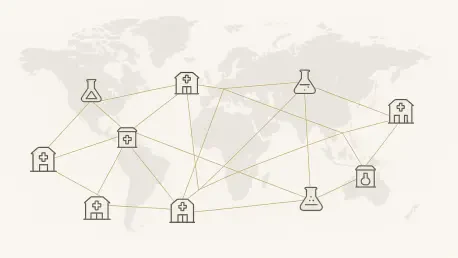
The success of these diverse research initiatives depends on a massive collaborative network that spans thousands of sites across North America and beyond. By connecting tens of thousands of specialists in both major academic medical centers and small community hospitals, organizations like the Alliance ensure that cutting-edge clinical trials are available to a truly diverse range of patients. This infrastructure allows for a more inclusive approach to research, ensuring that new treatments are tested across different demographics, ethnicities, and geographic regions. When clinical trials are representative of the actual patient population, the data generated is far more robust and applicable to real-world scenarios. This collaborative model also facilitates the rapid sharing of information and best practices, allowing a breakthrough made in a high-tech lab to reach a rural clinic in a fraction of the time it once took. By prioritizing the decentralization of research, the oncology community is ensuring that the benefits of modern science are not restricted to those living in major urban hubs.
This collaborative model is further supported by a vast repository of over 1.5 million biospecimens and decades of participant data, which serve as the scientific foundation for the next generation of therapies. This repository provides the evidence necessary to update international treatment standards and secure regulatory approval for innovative drugs and diagnostic tools. Researchers can analyze these samples to identify new biomarkers or understand why certain patients respond differently to the same treatment, leading to even more refined personalized care. By combining high-level data with patient-centered goals, the medical community is ensuring that the future of breast cancer care is not only more effective but also more compassionate and accessible for everyone. This integrated approach to data and sample management allows for a continuous feedback loop between the laboratory and the clinic, where real-world patient outcomes directly inform the next wave of scientific inquiry. This cycle of innovation is essential for maintaining the momentum of the last several decades and ensuring that the progress made in cancer care continues to accelerate.
Formulating Sustainable Strategies: Future Directions in Patient Advocacy
The collective evidence from recent clinical trials suggested that the most effective way to combat breast cancer involved a move away from standardized, aggressive protocols and toward a model of precision and restraint. Researchers identified that by focusing on individual biological responses, they could maintain high survival rates while significantly lowering the physical and emotional toll on patients. The implementation of digital health tools and telehealth interventions proved to be a successful method for reaching underserved populations, highlighting the need for continued investment in healthcare technology and broadband access. Furthermore, the development of liquid biopsy markers provided a clearer path toward early detection, though it also necessitated a cautious approach to avoid the pitfalls of over-treatment. These historical findings have laid the groundwork for a more sustainable healthcare model where the focus is shifted from simply treating the disease to maintaining the holistic health of the individual survivor.
For patients and healthcare providers, the next steps involve a deeper commitment to shared decision-making and genetic literacy. Patients should be encouraged to ask their oncologists about treatment de-escalation options and the availability of clinical trials that prioritize quality-of-life metrics. Providers, in turn, must stay informed about the latest biospecimen research and genetic screening tools to offer the most personalized care possible. The integration of exercise and behavioral support into standard treatment plans should no longer be viewed as an elective addition but as a core component of oncological care. By adopting these strategies, the medical community can ensure that the advancements of the past few years are fully realized in the clinical setting. Ultimately, the goal is to create a healthcare environment where every patient receives exactly what they need—no more and no less—ensuring a future where breast cancer is caught early, treated precisely, and followed by a lifetime of robust health and functional independence.