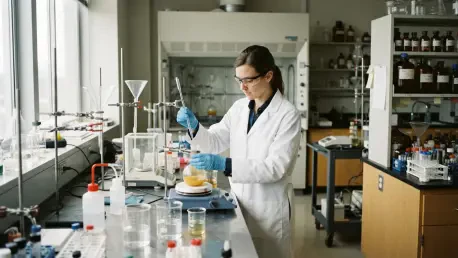

High-dose selenium can act as a specific inducer of ferroptosis in lung cancer cells, triggering a regulated, iron-dependent cell death that suppresses tumor growth. This discovery highlights the paradoxical nature of a trace element that is simultaneously indispensable and potentially lethal. For decades, the biological application of selenium has been hampered by its exceptionally narrow therapeutic window, where the margin between nutritional necessity and systemic toxicity is among the slimmest of all essential micronutrients. While a daily intake of 55 to 90 micrograms is vital for maintaining thyroid function and preventing degenerative conditions like Kashin-Beck disease, exceeding a mere 400 micrograms can lead to chronic selenosis. Doses surpassing 900 micrograms are often fatal, creating a significant barrier to utilizing selenium in clinical oncology or high-impact supplementation. To navigate this “double-edged sword,” modern science has pivoted toward nanotechnology, developing elemental selenium nanoparticles (SeNPs) as a stable, biocompatible delivery platform. These nanoparticles offer a way to bypass the high reactivity of inorganic selenium salts, allowing for higher therapeutic dosages that can selectively target malignant cells without compromising the patient’s health. By shifting the delivery mechanism from dissolved ions to engineered nanoparticles, researchers are fundamentally redefining how this element interacts with human physiology and the agricultural systems that sustain it.
Advancements in Nanoparticle Engineering and Safety
Improving Biocompatibility: Chemical Engineering Breakthroughs
The primary advantage of elemental selenium nanoparticles lies in their fundamental physical and biological divergence from inorganic species such as selenate and sodium selenite. Inorganic forms are highly soluble and carry significant cellular toxicity because they interact indiscriminately with biological membranes and intracellular proteins. In contrast, formulating selenium into nanoparticulate suspensions has been shown in animal trials to reduce systemic toxicity by up to four times. This reduction is particularly notable in the liver, which acts as the primary filtration organ and is often the first to suffer from selenium-induced oxidative stress during an overdose. By utilizing the zero-valence state of elemental selenium within a nanoparticle core, engineers have created a delivery system that remains relatively inert until it reaches its intended biological target. This leap in chemical engineering allows for the safe administration of doses that were previously considered unattainable, fundamentally changing the risk-to-reward ratio for clinical selenium treatments.
Current research in 2026 focuses on the development of functionalized coatings that further enhance the safety profile of these particles. By conjugating SeNPs with natural polymers or proteins, such as bovine serum albumin (BSA), scientists have managed to mask the nanoparticles from the immune system while preventing them from aggregating into larger, less effective clusters. When synthesized with BSA, the protein binds to the selenium through specific cysteine residues, creating a stable and highly biocompatible complex. This conjugation has resulted in a staggering sevenfold reduction in toxicity compared to free selenite in murine models. Specifically, the toxic threshold was raised from 14 milligrams per kilogram of body weight to an impressive 113 milligrams. These functionalized modifications are not merely protective; they are enabling a new class of safer medical interventions where the nutrient’s therapeutic power can be harnessed without the constant threat of systemic selenosis or organ failure.
Material Stability: Overcoming Aggregation Challenges
One of the most persistent hurdles in the manufacturing of selenium-based therapeutics is the tendency of nanoparticles to aggregate, which leads to a loss of surface area and a decrease in biological efficacy. To combat this, researchers are employing surface chemistry techniques that utilize electrostatic and steric stabilization. By applying a layer of natural polymers, the nanoparticles maintain a consistent size and shape, ensuring that they can move freely through the bloodstream and penetrate cellular membranes. These stabilizing agents act as a barrier, preventing the individual particles from merging into bulky precipitates that would otherwise be cleared too quickly by the kidneys or trapped in the spleen. This stability is crucial for ensuring that the selenium remains bioavailable over longer periods, allowing for sustained release and more predictable pharmacological behavior in both animal models and early human trials.
Building on these structural improvements, scientists have refined the synthesis process to produce nanoparticles with highly uniform dimensions, typically ranging between 20 and 100 nanometers. This size range is ideal for navigating the complex microenvironments of human tissues while evading the body’s natural defense mechanisms. In experimental murine studies, these stabilized particles demonstrated a significantly higher retention rate in target tissues compared to unstabilized versions. The ability to maintain particle integrity has also allowed for more precise dosing, as the concentration of selenium delivered to the target site can be calculated with much greater accuracy. As these stabilization methods continue to evolve, the possibility of incorporating SeNPs into mainstream medical protocols becomes increasingly viable, providing a robust solution to the stability issues that once limited the scope of selenium-based nutritional and clinical science.
Precision Oncology and Epigenetic Regulation
Targeted Therapies That Exploit Folate Receptors to Improve the Efficacy and Selectivity of Modern Oncological Drug Delivery Systems
Functionalized selenium nanoparticles (SeNPs) offer a precise tool for treating cancer by exploiting the unique biochemical signatures of malignant cells, particularly the overexpression of folate receptors. Many aggressive human tumors, including those found in the liver, lungs, kidneys, and skin, possess a high density of these receptors to facilitate rapid growth. By engineering selenium nanoparticles conjugated with folic acid, researchers have achieved highly selective uptake by these cancerous cells. In laboratory assays involving 4T1 breast cancer cells, folic acid-functionalized nanoparticles increased cell mortality by 68 percent compared to bare, unmodified nanoparticles. This targeted approach ensures that the therapeutic payload is concentrated exactly where it is needed most, maximizing the destruction of the tumor while minimizing the impact on healthy surrounding tissues that lack the same receptor density.
The therapeutic benefit of this targeted delivery extends to other difficult-to-treat cell lines, such as HepG2 hepatocellular carcinoma and MG-63 osteosarcoma cells. Once inside the malignant cell, SeNPs trigger apoptotic pathways—the process of programmed cell death—by inducing internal cellular stress that the tumor cannot survive. Experimental models have confirmed that this targeted delivery suppresses tumor growth rates without causing the widespread organ damage typically associated with high-dose aqueous selenium. By focusing on receptor-mediated endocytosis, this research has effectively turned a nutritional element into a smart weapon. This specificity is a hallmark of precision medicine, allowing for a higher intensity of treatment tailored to the molecular profile of the individual tumor, thereby reducing the side effects commonly seen in traditional chemotherapy and systemic selenium supplementation.
Comprehensive Gene Expression Control: Orchestrating the Epigenome through Complex Molecular Regulatory Networks and Biochemical Processes
One of the most significant breakthroughs in the study of selenium nanoparticles is the detailed understanding of how they influence the epigenetic landscape—the chemical modifications that regulate gene expression without altering the underlying DNA sequence. This regulation occurs primarily through the modulation of histone methyltransferases and DNA methylation patterns. The administration of SeNPs has been shown to stimulate the transcription of key histone methyltransferase genes, including EZH2 and SUV39H2. These enzymes catalyze the methylation of specific histone residues, which in turn controls whether certain genes are turned “on” or “off.” By actively participating in these molecular switches, selenium serves as a fundamental regulator of cellular identity, allowing the body to suppress genes associated with tumor progression while activating those responsible for stress response and cellular repair.
The influence of selenium on the epigenome is deeply linked to its participation in the one-carbon metabolism cycle. Selenium participates in chemical interactions that divert homocysteine into the transsulfuration pathway, a process that produces vital compounds such as selenoglutathione and selenide. These metabolites help clear S-adenosylhomocysteine, a potent inhibitor of the enzymes responsible for methylation. By clearing this inhibitor, selenium optimizes the cell’s overall methylation capacity, allowing for more precise control over gene activity. This mechanism suggests that selenium nanoparticles (SeNPs) can be used to “reprogram” cells that have become dysfunctional due to age or disease. The ability to orchestrate these complex genetic pathways via nanotechnology provides a powerful new toolkit for addressing not only cancer but also chronic metabolic and developmental disorders that are rooted in epigenetic imbalances.
Cellular Survival and the Selenoproteome
Balancing Antioxidant Defense: The 25 Selenoproteins
The human “selenoproteome” consists of 25 unique proteins that contain the rare amino acid selenocysteine, which is essential for maintaining the body’s redox balance. These proteins, including key enzymes like glutathione peroxidases and thioredoxin reductases, rely on selenium to neutralize reactive oxygen species that would otherwise damage cellular DNA and membranes. Research highlights a delicate dose-dependent relationship between SeNPs and cellular survival. At physiological concentrations, these nanoparticles support the cell cycle and bolster the body’s natural antioxidant defenses, acting as a shield against oxidative stress. This protective role is vital for long-term health, as it prevents the accumulation of cellular damage that leads to chronic inflammation and degenerative diseases.
The power of selenium lies in its ability to switch roles depending on its concentration and the cellular environment. At supranutritional or therapeutic doses, SeNPs induce cell cycle arrest and apoptosis in cancer cells, essentially turning the element’s oxidative potential against the tumor. This flexibility makes selenium a critical player in modern therapeutic strategies, where the goal is often to protect healthy tissue while aggressively attacking malignant growth. The integration of selenium into these proteins is a highly regulated process, and the use of nanoparticles ensures a steady supply of the element without the toxic peaks associated with standard supplements. This sophisticated balance between defense and destruction is what makes the selenoproteome a focal point for precision medicine, offering a way to fine-tune the body’s most basic biochemical survival mechanisms.
Programmed Cell Death: The Molecular Induction of Ferroptosis and Strategies for Neuroprotection
Beyond traditional apoptosis, selenium is emerging as a critical regulator of ferroptosis, a type of iron-dependent regulated cell death that is fundamentally different from other forms of cellular demise. In certain lung cancers, selenium acts as an inducer of ferroptosis, helping to eradicate tumor cells that have become resistant to conventional therapies. This process involves the peroxidation of lipids within the cell membrane, leading to a structural collapse that the tumor cells cannot repair. Conversely, in models of brain injury such as intracerebral hemorrhage, selenium nanoparticles (SeNPs) have been shown to prevent the ferroptotic destruction of neurons. By boosting the expression of glutathione peroxidase 4, these nanoparticles protect the brain from the wave of oxidative damage that follows a stroke or trauma, preserving cognitive function and reducing permanent tissue loss.
This dual ability to either induce death in malignant cells or preserve health in damaged neurons highlights the immense versatility of nanoparticle-based delivery systems. In the context of neuroprotection, the ability of SeNPs to cross the blood-brain barrier more effectively than inorganic selenium provides a significant clinical advantage. Researchers are currently exploring how these particles can be used to treat neurodegenerative diseases like Alzheimer’s and Parkinson’s, where oxidative stress and ferroptosis play a central role in the loss of neurons. By providing a targeted boost to the brain’s internal defense systems, SeNPs offer a promising new path for stabilizing patients after acute injuries and potentially slowing the progression of chronic brain disorders. This dual-use capability positions selenium nanoparticles as a unique tool in the medical arsenal, capable of addressing diverse pathologies with a single, highly tunable material.
Environmental Stewardship and Future Progress
Addressing Soil Depletion Through the Implementation of a Comprehensive Biofortification Mandate for Global Agricultural Sustainability
The impact of selenium research extends far beyond the walls of the clinic, reaching into the realm of global food security and agricultural sustainability. With an estimated one billion people globally suffering from suboptimal selenium intake, the depletion of this element in agricultural soils has become a pressing concern. Climate change and shifts in industrial practices are expected to continue depleting soil selenium concentrations from 2026 to 2030 across major regions in Europe, North America, and India. Since humans and livestock rely almost entirely on plants to convert inorganic soil selenium into bioavailable organic forms, the reduction in soil quality poses a direct threat to public health. Advanced biofortification strategies, including the foliar application of selenium nanoparticles, are being developed to enrich crops directly, ensuring that essential nutrients reach the human population through the food chain.
However, precision is just as vital in the field as it is in the hospital, as plants can also suffer from selenium toxicity. Research on pepper plants has shown that applying excessive concentrations of selenium nanoparticles (SeNPs)—specifically above 10 milligrams per liter—can cause aberrant DNA methylation that stunts growth points and reduces overall yield. This necessitates a careful, data-driven approach to biofortification, where the application of nanoparticles is precisely calibrated to the needs of the specific crop and soil type. By using engineered nanoparticles instead of traditional fertilizers, farmers can achieve higher levels of nutrient uptake with much lower total volumes of selenium, reducing the risk of environmental runoff and soil contamination. This integrated approach to nutrition highlights the interconnectedness of human and environmental health, showing how nanotechnology can bridge the gap between depleted natural resources and the growing nutritional needs of the global population.
Strategic Integration: Moving Toward Precision Health
The transition from traditional selenium supplementation to nanoparticle-based delivery systems marked a definitive shift toward precision health. By leveraging the unique physical properties of the nanoparticulate state, scientists successfully mitigated the high toxicity associated with inorganic selenium while unlocking new ways to regulate the epigenetic landscape. The evidence gathered across clinical and agricultural studies demonstrated that SeNPs provided a safer, more targeted, and more effective way to manage this essential micronutrient. The research emphasized that the “double-edged” nature of selenium required a nuanced approach, where baseline levels were carefully monitored to ensure that interventions remained within the therapeutic window. This progress paved the way for more sophisticated treatments that balanced the need for cellular protection with the ability to induce programmed death in malignant tissues.
Moving forward, the integration of advanced analytical tools like Nanoscale Secondary Ion Mass Spectrometry will be essential for monitoring how these nanoparticles transform within complex biological systems. These technologies allow researchers to visualize selenium at the molecular level, ensuring that it reaches its intended target without causing unintended genetic modifications. The future of precision medicine will likely see the widespread adoption of functionalized selenium nanoparticles (SeNPs) in personalized cancer therapies and large-scale biofortification projects. To maximize the benefits of this technology, clinical protocols should prioritize the assessment of individual selenium status before beginning any nanoparticle-based regimen. By continuing to refine the synthesis and application of these materials, the scientific community can ensure that selenium’s potential is fully realized, providing a robust framework for addressing chronic disease and global nutritional deficiencies in the years ahead.