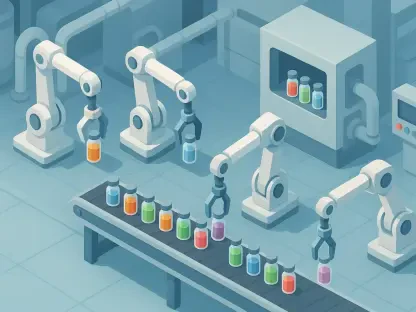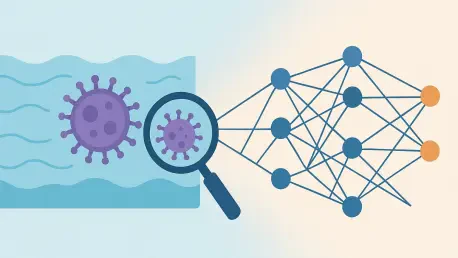

Professor Alok Mishra of the Norwegian University of Science and Technology argues that a narrow focus on computational efficiency ignores the ecological damage caused by AI infrastructure. This perspective is vital as artificial intelligence transitions from an experimental novelty to the primary

Implementation of standardized safety evaluations is becoming a necessity for healthcare organizations before any artificial intelligence tool enters a live clinical workflow. A landmark study from the Icahn School of Medicine at Mount Sinai has shed light on the precarious intersection of
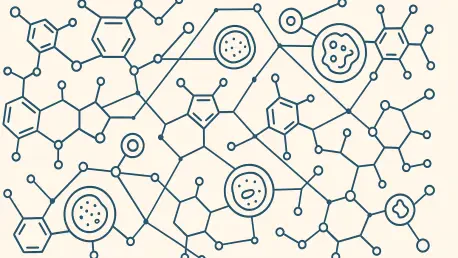
With a focus on advanced machine learning, Isomorphic Labs is attempting to cut years off the timeline required to bring life-saving drugs from the lab to patients. This ambitious goal is currently being met with unprecedented investor enthusiasm, as reports indicate the Alphabet spinoff is seeking

Computational science and digital platforms are being leveraged to bridge the gap between active cancer treatment and the often-neglected survivorship phase. This shift represents a fundamental evolution in oncology, moving away from episodic, clinic-based interactions toward a more fluid and

Technical failures in multi-factor authentication and vulnerability management are increasingly being treated as direct violations of privacy law. This shift in regulatory focus highlights a critical reality for modern enterprises: while the operational execution of data processing can be delegated
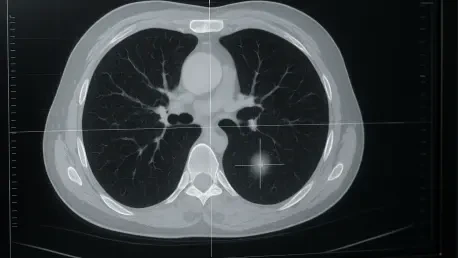
The high risk of overfitting in medical machine learning is mitigated through rigorous variance screening and Pearson correlation to remove redundant imaging data. This technical principle is now at the forefront of efforts to resolve one of the most persistent dilemmas in thoracic oncology: the