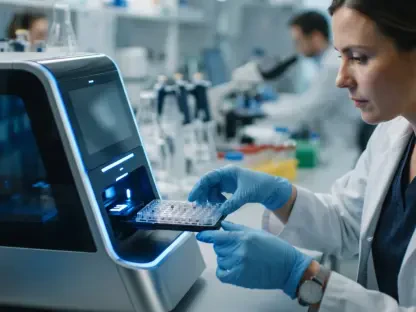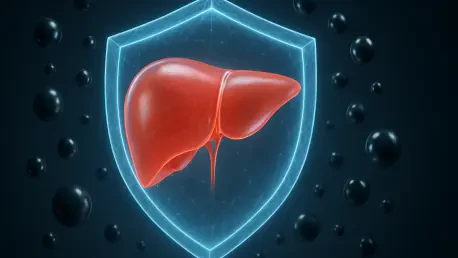

Environmental contamination continues to threaten global populations, necessitating the development of multi-modal defense systems that can shield vital organs from heavy metals. Arsenic, an odorless and tasteless toxin found in groundwater, remains one of the most pervasive threats to human health in 2026. Because it infiltrates the body through natural leaching and industrial processes, its presence is often detected only after significant physiological damage has occurred. The liver, acting as the primary metabolic hub for filtration, bears the brunt of this toxicity, leading to debilitating conditions like chronic inflammation and oxidative stress. As conventional treatments often fall short due to bioavailability issues, scientific attention has shifted toward bioactive compounds like puerarin, an isoflavone derived from the kudzu vine. While puerarin possesses remarkable antioxidant qualities, its natural form is poorly absorbed, requiring a sophisticated delivery mechanism to be truly effective. This research represents a critical intersection where traditional pharmacology meets high-tech nanomedicine to create a viable shield for the body’s most hardworking organ.
Bridging Herbal Science and Nanomedicine
The primary obstacle to utilizing puerarin in clinical settings has always been its pharmacokinetic profile, which is characterized by low water solubility and an exceptionally short half-life in the bloodstream. In its raw form, the compound is metabolized and excreted so rapidly that it rarely reaches the liver in concentrations high enough to trigger a therapeutic response. To solve this, researchers have utilized poly(lactic-co-glycolic acid), or PLGA, a biocompatible polymer already approved for various medical applications, to create a protective shell around the puerarin molecule. This encapsulation process transforms the delivery profile from a wasteful burst into a controlled, sustained release. By shielding the drug from immediate degradation, the PLGA matrix ensures that the active ingredients are distributed steadily throughout the body, providing the liver with a constant supply of protective agents over an extended period, rather than a single, ineffective spike.
Engineering these nanoparticles requires precision to ensure they can navigate the complex biological environment of the human body. The resulting formulation, known as PU-PLGA, consists of particles measuring approximately 69 nanometers in diameter with a strong negative surface charge to prevent aggregation and ensure stability. This structural design is pivotal because it allows the particles to bypass early clearance mechanisms and settle where they are needed most. Release studies show that while free puerarin is fully discharged within a single day, the PU-PLGA system releases only half of its cargo in the first twelve hours, with the remaining payload discharging over a full three-day cycle. This trickle effect is a game-changer for treating chronic toxicity, as it maintains the drug within the therapeutic window for significantly longer. The ability to control the release speed allows for more efficient dosing and minimizes the systemic side effects often associated with high-concentration drug delivery.
Evaluating Biochemical Restoration and Defense
The efficacy of the PU-PLGA formulation was rigorously tested in controlled laboratory environments using Sprague-Dawley subjects exposed to subacute levels of arsenic. Arsenic administration typically results in a dramatic surge of serum liver enzymes, specifically Alanine Aminotransferase and Aspartate Aminotransferase, which indicate that cell membranes have ruptured and leaked their contents into the blood. In these studies, the arsenic-only groups showed severe hepatic trauma and a compromised synthetic capacity, marked by a dangerous decline in total protein and albumin levels. However, the subjects treated with the nanoparticle-enhanced puerarin exhibited a significant reversal of these symptoms. The biochemical markers returned to near-normal ranges, and the liver’s ability to synthesize essential proteins was preserved. This restoration proves that the nano-delivery system does not just provide a temporary shield but actually assists the organ in maintaining its functional integrity against a relentless toxic onslaught.
One of the most impressive aspects of this nanotechnology is its ability to interact with the cell’s internal defense mechanisms, specifically the NRF2 pathway. Arsenic poisoning works by generating an overwhelming volume of reactive oxygen species that attack DNA, proteins, and cellular lipids, while simultaneously suppressing the body’s natural antioxidant alarm system. Researchers identified high levels of 8-OHdG, a marker for oxidative DNA damage, in subjects without nanoparticle protection. The PU-PLGA treatment, however, strongly up-regulated the expression of NRF2, effectively reawakening the cell’s ability to produce its own antioxidant enzymes. By boosting the internal reservoir of these protective molecules, the nanoparticles neutralized harmful reactive species before they could cause permanent genetic mutations. This dual action—providing external antioxidant support while stimulating the body’s innate defenses—positions PU-PLGA as a superior alternative to standard supplements that lack the ability to influence gene expression.
Arresting the Mechanisms of Ferroptosis
Current toxicological research has identified ferroptosis as a major driver of liver failure during heavy metal exposure. This relatively recently discovered form of programmed cell death is characterized by an accumulation of iron within the tissue, which catalyzes a process known as lipid peroxidation. Essentially, the iron causes the cell membranes to rust from the inside out, leading to rapid and irreversible damage. Arsenic is particularly adept at triggering this process by disabling the SLC7A11/GPX4 axis, which serves as the primary biological defense against membrane degradation. When the enzyme GPX4 is depleted, the cell loses its ability to neutralize toxic lipid peroxides, initiating a lethal death spiral. The study revealed that arsenic significantly increased pro-ferroptotic markers like Transferrin Receptor 1 while slashing GPX4 levels. Understanding this specific pathway is essential for developing targeted therapies that can stop the physical breakdown of liver tissue at the molecular level.
The nanoparticle-wrapped puerarin provided a robust solution to the ferroptosis problem by effectively turning off the activated death switch. By lowering hepatic iron levels and restoring the activity of the GPX4 enzyme, the PU-PLGA treatment prevented the catastrophic collapse of cellular membranes. This was not merely a reduction in symptoms but a fundamental correction of the iron-dependent oxidative process. The nanoparticles ensured that the puerarin reached the hepatocytes in sufficient concentrations to counteract the arsenic-induced depletion of glutathione, which is a necessary cofactor for GPX4 function. This targeted intervention highlights the precision of nanomedicine in addressing specific necrotic pathways that were previously considered unavoidable consequences of arsenic ingestion. By maintaining the structural integrity of the cell walls, the treatment ensured that the liver could continue its metabolic functions even under stress, preventing the systemic cascade of organ failure that typically follows heavy metal poisoning.
Protecting Structural Integrity and Cellular Vitality
Beyond the immediate chemical damage, arsenic triggers a prolonged inflammatory response that can lead to permanent scarring, known as fibrosis. The toxin activates the NF-κB signaling pathway, which floods the liver with pro-inflammatory cytokines like TNF-α and IL-6. If left unchecked, this inflammation signals the body to replace healthy liver cells with rigid scar tissue, a process mediated by proteins like TGF-β and Collagen Type I. The PU-PLGA formulation demonstrated a potent ability to slash these inflammatory markers, effectively cooling the fire in the liver tissue. Furthermore, the nanoparticles inhibited apoptosis—a different form of programmed cell death—by modulating the Bax/Bcl-2 protein ratio and activating survival signaling through the AKT pathway. This multifaceted approach ensures that the liver is protected from various types of cellular suicide, maintaining a higher population of functional hepatocytes. By blocking the pathways to both inflammation and scarring, the treatment preserves long-term organ health.
Visual confirmation of these molecular benefits was provided through transmission electron microscopy, which revealed the internal state of the liver’s powerhouses, the mitochondria. In arsenic-exposed groups, the mitochondria appeared swollen with shattered internal structures, rendering them unable to produce energy. Conversely, the mitochondria in the PU-PLGA group remained intact and functional, illustrating the physical shield provided by the treatment. These findings established that nanotechnology could successfully revitalize natural compounds for complex medical challenges. Moving forward, the focus should shift toward long-term safety profiles across diverse demographics and the initiation of human clinical trials to validate these results outside the laboratory. Future strategies might also explore combining PU-PLGA with other chelating agents to create a comprehensive detoxification protocol. The study confirmed that integrating nanomedicine with traditional herbal compounds offered a sustainable and effective path toward mitigating the global health impact of heavy metal contamination.