
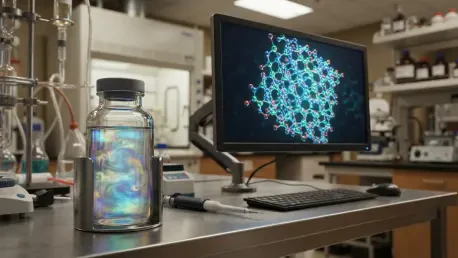
RFD4-Proteina is integrated into cloud computing workflows including Google Cloud and Amazon Bio Discovery to democratize access to advanced biotechnology tools. This strategic integration marks a defining moment in 2026, as the field of biochemistry matures from a science of discovery into a
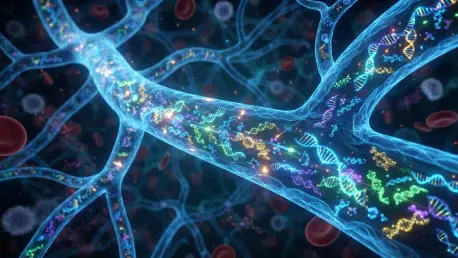
Molecular evidence of cancer persisting in the bloodstream after curative-intent surgery offers a high-resolution view of a patient’s true disease status. This breakthrough marks a departure from traditional oncology, where clinicians often wait for visible signs of relapse on a scan or an

The long-standing exodus of Australian medical breakthroughs to international production lines has finally met a formidable domestic rival with the official unveiling of the ENTRI facility in Brisbane. For decades, the local biotechnology sector struggled with a critical infrastructure deficit that
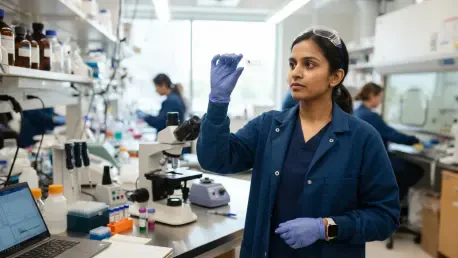
The intersection of reproductive health and oncology reached a significant turning point this year as clinical evidence began to suggest that medications used to calm the brain’s thermostat could also serve as a potent defense against tumor growth. For several years, the medical community has

By integrating real-world environmental data with deep molecular analysis, a new study aims to provide a roadmap for early recognition of respiratory vulnerability in infants. Every year, thousands of families watch their infants struggle with severe viral infections like bronchiolitis or

Remote triage by telenurses serves as an essential gatekeeping function that prevents unnecessary hospital visits while ensuring serious complications are escalated to surgeons. For many individuals who have recently undergone colostomy or ileostomy procedures, the sudden transition from a

Decision-curve analysis suggests that multiparametric MRI fusion models provide a higher clinical net benefit than current standard-of-care preoperative staging methods. In 2026, the landscape of gynecological oncology continues to evolve away from a one-size-fits-all surgical approach, moving

Short-form content on Bilibili frequently focuses on the underlying causes and symptoms of aortic disease, offering a more lecture-oriented approach than the high-impact style of TikTok. This divergence in presentation underscores a growing challenge for patients navigating the digital health
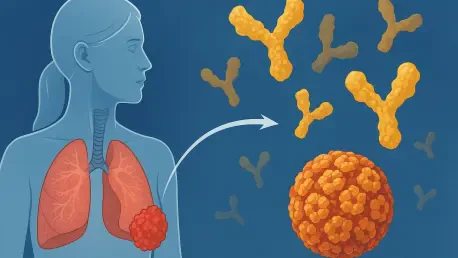
The persistent challenge of treating advanced HPV16-positive malignancies has driven medical science toward a more personalized approach that prioritizes early detection of treatment efficacy through minimally invasive methods. In the current landscape of oncology, researchers are increasingly
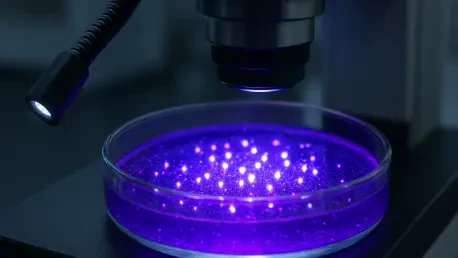
Recent spectroscopy and microscopy data confirm that functionalized iron oxide particles can reach a final size of 317 nm after being loaded with chemotherapy drugs. This development marks a significant milestone in the quest to refine leukemia treatments, particularly in regions where traditional
1 2 3 4 5 6 7 8 9 10 11 12 13 14 15 16 17 18 19 20 21 22 23 24 25 26 27 28 29 30 31 32 33 34 35 36 37 38 39 40 41 42 43 44 45 46 47 48 49 50 51 52 53 54 55 56 57 58 59 60 61 62 63 64 65 66 67 68 69 70 71 72 73 74 75 76 77 78 79 80 81 82 83 84 85 86 87 88 89 90 91 92 93 94 95 96 97 98 99 100 101 102 103 104


