While 37 degrees Celsius is the global default for biological research, it may actually induce a state of chronic metabolic sluggishness in chicken muscle cells. The emergence of cellular agriculture marks a pivotal shift in how the world approaches food security and sustainable protein, yet the industry faces a significant hurdle in matching the production costs of conventional meat. By cultivating meat from animal cells in a controlled environment, scientists aim to bypass the environmental and ethical challenges of traditional livestock farming. However, the transition from small laboratory experiments to industrial-scale production is currently hindered by slow cellular growth rates and high operational expenditures. A recent study from South Korea suggests that the solution to these bottlenecks may be as simple as adjusting the thermostat to better reflect the natural biology of the source animal. This “biology-first” philosophy challenges decades of standardized laboratory practice, asserting that the key to commercial viability lies in mimicking the internal conditions of the bird rather than adhering to mammalian protocols.
Evolution of Standards: The Mammalian Default
For decades, the standard protocol for cell culture has relied on a temperature of 37°C, which mimics the internal environment of humans and other mammals. Because much of modern biotechnology is rooted in human medicine and the development of pharmaceuticals, this specific setting became the global default for almost all cell types used in laboratory settings. However, birds possess a fundamentally different physiology than mammals, maintaining a natural core body temperature that usually fluctuates between 40°C and 42°C. Researchers hypothesized that growing avian cells at the lower mammalian standard might be preventing the cells from reaching their full biological potential. This mismatch creates a physiological environment where avian cells are perpetually “chilled,” leading to suboptimal enzymatic reactions and slower chemical signaling within the cellular matrix. By recognizing this discrepancy, the industry is beginning to move away from one-size-fits-all incubator settings in favor of species-specific environments that maximize efficiency.
The methodology employed in recent research focused on satellite cells, which are specialized stem cells found in muscle tissue that hold the key to generating meat at scale. These cells are essential for cultivated protein production because they have the unique ability to both multiply rapidly and eventually transform into the fibers that provide the familiar texture of a chicken breast or thigh. By isolating these cells from chick embryos, the research team created a controlled environment to compare the traditional mammalian setting against a more natural 40°C environment. The goal was to see if returning the cells to their evolutionary “comfort zone” would unlock faster expansion and better overall health without requiring genetic intervention. This approach emphasizes the importance of basic environmental optimization before pursuing more complex and expensive bioengineering solutions. The results provided a compelling argument for a paradigm shift in how avian cellular mass is expanded during the critical early phases of the production cycle.
Genetic Stability: Ensuring Safety and Integrity
Ensuring the safety and stability of cultivated meat is a top priority for researchers and regulators alike, especially as new products enter the global market. One common concern with accelerating cell growth is the potential for genetic mutations or chromosomal instability, which can occur when cells are pushed beyond their natural limits. To address this, the study included a detailed analysis of the cells’ genetic makeup after they were grown at the higher temperature for multiple generations. The results confirmed that the cells maintained their healthy, avian-specific structure without any detectable abnormalities or carcinogenic tendencies. This finding provides a crucial foundation of safety, proving that the increased heat does not compromise the biological integrity of the protein. By maintaining a stable karyotype, producers can guarantee a consistent product that meets the stringent safety requirements of international food agencies, thereby building consumer trust in this emerging technology.
Beyond basic genetic stability, the researchers also monitored for cellular senescence, a process where cells stop dividing and begin to deteriorate. In the 37°C control group, signs of premature aging were surprisingly prevalent, suggesting that the lower temperature was a source of chronic stress rather than a safe baseline. Conversely, the cells grown at 40°C showed significantly delayed senescence, allowing for a much higher number of population doublings before the culture reached its limit. This longevity is vital for industrial scale-up, as it allows for larger batches to be grown from a single starting sample, reducing the frequency of cell line re-establishment. The structural integrity of the cells remained robust, and the cell membranes showed fewer signs of oxidative damage compared to those kept at the cooler, traditional temperature. This biological resilience ensures that the resulting meat tissue is as healthy and wholesome as its traditionally farmed counterpart.
Growth Kinetics: Quantifiable Gains in Productivity
The most significant results of the study appeared in the growth kinetics of the cultures, which showed a dramatic improvement when the temperature was raised. When monitored over several generations, the cells grown at 40°C consistently outperformed those kept at the cooler temperature in every measurable metric. Most importantly, the population doubling time was significantly shorter in the warmer environment, allowing for a much faster accumulation of biomass. In contrast, the cells at 37°C began to show signs of metabolic fatigue after just a few generations, suggesting that the lower temperature may actually hinder the natural replication cycle of the bird’s muscle tissue. For a commercial producer, these gains in speed translate directly into increased facility throughput and a more competitive price point for consumers. The ability to produce more protein in less time is perhaps the single most important factor in achieving price parity with the conventional poultry industry.
Further testing revealed that the warmer temperature also boosted the overall metabolic activity of the cells, specifically regarding energy production and nutrient uptake. Using specialized assays, the research team found that the 40°C group exhibited higher levels of adenosine triphosphate (ATP), the primary energy currency of the cell. This indicates that the heat isn’t just causing a temporary growth spurt; it is facilitating a more efficient and sustainable metabolic state that allows the cells to process nutrients more effectively. For an industry looking to scale up, these gains in metabolic efficiency mean that more meat can be produced using the same amount of culture media, which is often the most expensive component of the process. By optimizing the temperature, producers can get more “mileage” out of their inputs, resulting in a cleaner and more streamlined production line that avoids the waste associated with sluggish, underperforming cell cultures.
Molecular Signaling: The Secret to Muscle Transformation
The study also delved into the molecular triggers that tell a cell when to grow and when to turn into mature muscle tissue. By examining specific transcription factors like Pax-7 and MyoD, researchers found that 40°C creates a superior balance for the high-volume production of meat. The warmer environment “primes” the cells at a genetic level, encouraging them to commit to becoming muscle while still maintaining a healthy pool of rapidly dividing progenitor cells. This molecular harmony is the secret behind the enhanced productivity seen in the warmer incubators, as it prevents the cells from becoming “stuck” in an undifferentiated state. This fine-tuned control over cellular identity is essential for ensuring that the final product has the correct biological makeup to be classified as meat. Without these precise molecular cues, cultivated cells can sometimes behave unpredictably, leading to inconsistent batches and lower-quality yields.
A common concern in biotechnology is that cells which grow too fast might lose their ability to finish the process and become high-quality tissue. However, the South Korean research proved that this is not the case for avian cells when they are provided with their natural thermal environment. When it came time to turn the stem cells into mature muscle fibers, both temperature groups were evaluated for their “differentiation potential.” The results showed that the cells grown at 40°C differentiated more effectively, forming longer and more robust muscle tubes. The resulting material had the same structural integrity and texture as traditionally grown poultry, proving that the speed gained during the expansion phase does not negatively impact the culinary quality of the food. This discovery effectively debunked the myth that rapid growth leads to inferior tissue, provided that the growth is driven by biological optimization rather than artificial stimulation.
Nutritional Profiles: Natural Enrichment through Temperature
One of the most surprising benefits of the 40°C environment was a significant change in the nutritional profile of the cultivated protein. While the total protein levels were consistent with real chicken meat, the quality of the amino acids was superior in the warmer cultures. Specifically, the cells grown at the natural avian temperature were enriched with branched-chain amino acids (BCAAs) and lysine, which are critical for human health. These are essential nutrients that are highly valued for human muscle health and are often the “limiting factors” in many global diets. The fact that these levels increased naturally simply by changing the temperature suggests that the cells were functioning at their peak physiological capacity. This nutritional boost could make cultivated poultry a more attractive option for health-conscious consumers who are looking for high-quality protein sources that do not rely on traditional farming.
In contrast, the cells grown at the lower 37°C temperature accumulated higher levels of amino acids typically associated with stress and suboptimal conditions, such as certain metabolic byproducts that indicate cellular struggle. This discovery suggests that by simply matching the bird’s natural body temperature, producers can create a more nutritious product without needing to use expensive additives or complex genetic modifications. This natural nutritional boost could help address protein deficiencies in the global food supply by providing a nutrient-dense food source that is easier and cheaper to produce. It also highlights the hidden costs of using the wrong biological standards, as the lower temperature was inadvertently creating a “stressed” product with a less desirable nutrient profile. Shifting to 40°C represents a win-win for both the producer and the end consumer, offering a better product at a lower cost through simple environmental correction.
Economic Strategy: Optimizing the Path to Market
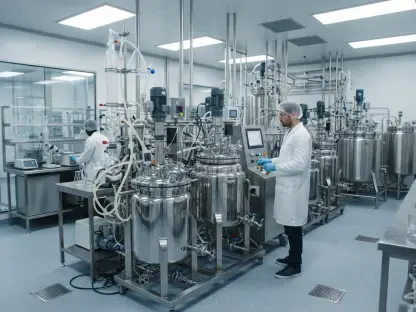
The industrial implications of this research are significant because of the massive potential for cost reduction across the entire supply chain. In the world of high-tech biology, most improvements require expensive new equipment, proprietary growth factors, or specialized chemicals. Changing the temperature setting on an incubator or a large-scale bioreactor, however, is a virtually free adjustment that requires no additional capital expenditure. By reducing the time required for cell doubling, companies can increase the throughput of their existing facilities, lower energy consumption per kilogram of meat, and reduce the risk of contamination during long production runs. These operational efficiencies are the primary drivers that will allow cultivated meat to move from a luxury niche product to a staple in grocery stores around the world. The simplicity of this solution makes it one of the most impactful developments in the sector to date.
The industry identified this temperature adjustment as a cornerstone for future bioreactor design and facility management. Researchers concluded that the most effective way to optimize cellular agriculture was to respect the natural physiological needs of the animals themselves rather than forcing them into mammalian standards. This insight prompted engineers to develop more precise thermal control systems capable of maintaining higher temperatures with minimal energy fluctuation. Moving forward, the industry adopted these specialized avian settings as the new standard for poultry production, which effectively lowered the entry barrier for new startups. By turning up the heat to match the natural warmth of a chicken, scientists found a simple, effective way to make sustainable cultivated protein a reality for the global market. The transition to species-specific temperatures ultimately proved that biological alignment was the most efficient path toward a sustainable and affordable future for food production.