
Security experts are tracking an alarming trend of cyberattacks targeting third-party vendors like Veradigm to compromise the broader healthcare infrastructure. As healthcare systems increasingly outsource critical functions ranging from electronic health records management to predictive analytics,
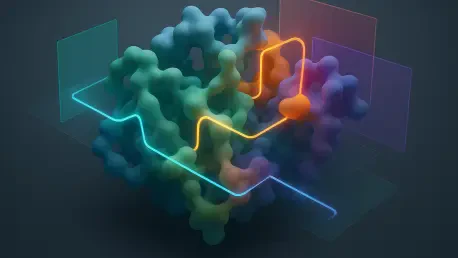
The traditional labor-intensive process of utilizing high-resolution imaging and biochemical assays to map binding sites often spans several years. This bottleneck has long hindered the pace of pharmaceutical innovation, forcing researchers to rely on trial-and-error methods that consume vast

Validation studies reveal that manual insulin calculations performed by nursing staff matched expert standards in only thirty-five out of one hundred and twenty cases. This startling discrepancy highlights the immense pressure and risk inherent in managing intravenous insulin infusions within

The integration of proteomic aging clocks represents a fundamental shift in how the pharmaceutical industry approaches the treatment of chronic decay. For decades, the pursuit of longevity-enhancing therapies was throttled by the absence of a reliable, unified metric of biological age, forcing

Personalized medicine is emerging as a primary catalyst for manufacturing innovation, requiring flexible platforms that can efficiently produce high-yield therapies for smaller patient populations. This fundamental shift marks the end of the traditional era where massive, stainless-steel vats

The synthesis of combination therapies and early detection creates a feedback loop that amplifies the effectiveness of modern cancer treatment protocols. This paradigm shift means oncologists no longer view cancer as a static entity confined to a single organ like the lung or breast. Instead, they

Traditional views of Information Technology as an ancillary back-office function are being rejected in favor of a clinical care model. The healthcare sector has reached a tipping point where a network failure is now as critical as a power outage in an intensive care unit. Recent breaches at

Recent setbacks in autoimmune trials have prompted a return to more established, well-validated manufacturing standards to ensure long-term patient stability. While the initial migration of Chimeric Antigen Receptor T-cell therapy from liquid tumors to refractory autoimmune diseases sparked immense
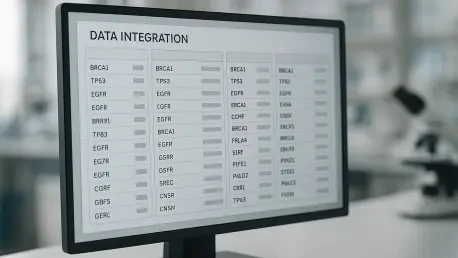
Discrepancies in gene nomenclature often force clinicians and computational biologists to struggle with different identifiers for the exact same biological sequence. In the high-stakes environment of 2026, where personalized medicine depends on granular genomic insights, this fragmentation

The PandaOmics platform processes massive biological datasets, including gene expression and scientific literature, to uncover therapeutic applications that human researchers often overlook. In the current landscape of 2026, the pharmaceutical industry has transitioned from speculative


