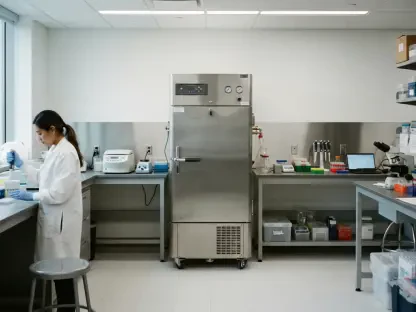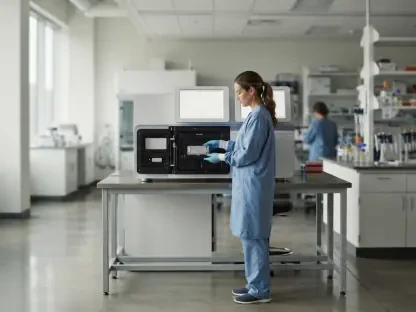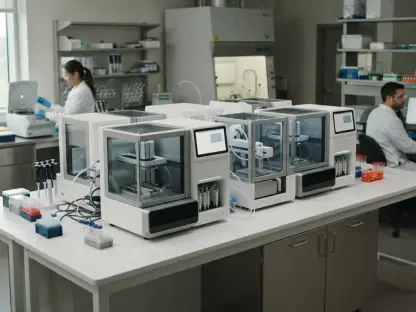

Modern clinical diagnostics require a transition to automated liquid chromatography–mass spectrometry to overcome the limitations of manual sample handling. In the current high-stakes healthcare environment of 2026, clinical laboratories face an unprecedented surge in testing volumes alongside a

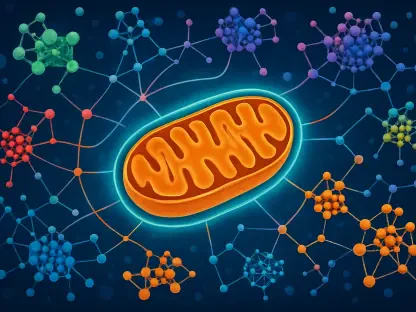
The technical gap between the R-centric Bioconductor ecosystem and Python's machine learning libraries has historically limited the cross-platform utilization of recount3 data. This challenge has often forced computational biologists to navigate a fragmented landscape, where the vast potential of

Struggling mental health services have emerged as a surprising yet critical factor in the high rates of cancer-related deaths across various American counties. This revelation stems from a significant research initiative led by Northern Illinois University which moved to identify the geographical

Aged care remains a secondary consideration in the National Healthcare Interoperability Plan 2023-2028 despite the broader healthcare system achieving an eighty percent completion rate. This disparity highlights a significant vulnerability in Australia’s health infrastructure as the sector

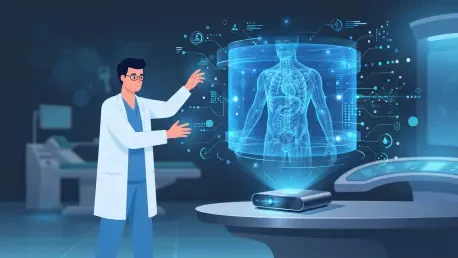
By the end of this decade, the medical imaging AI sector is expected to balloon to a valuation of $17.19 billion as digital diagnostics become a standard pillar of care. This monumental shift highlights how the medical field is rapidly outgrowing traditional manual interpretation, favoring instead
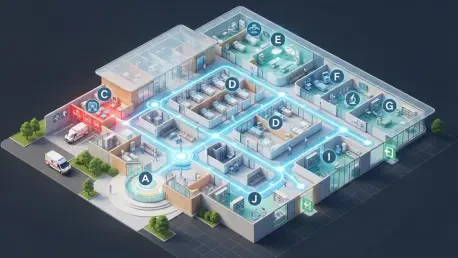
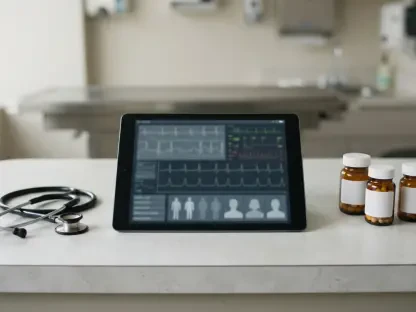
The transition to digital quality measurement removes the human ability to interpret context, making the precise timing of electronic admission orders a financial necessity. For decades, the emergency department has served as a critical barometer for the health of the entire hospital system, yet