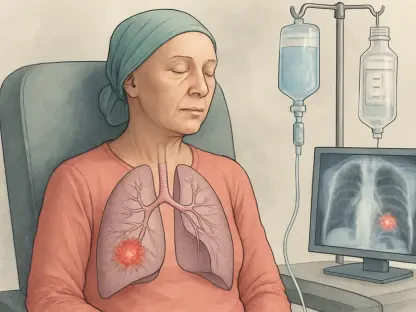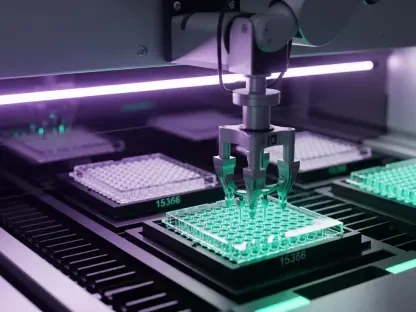

The staggering realization that nearly twenty million individuals receive a cancer diagnosis annually across the globe has catalyzed a shift from generalized medical protocols toward highly nuanced, patient-specific interventions. In the United States alone, the National Cancer Institute tracks
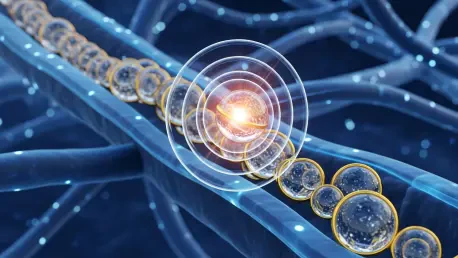
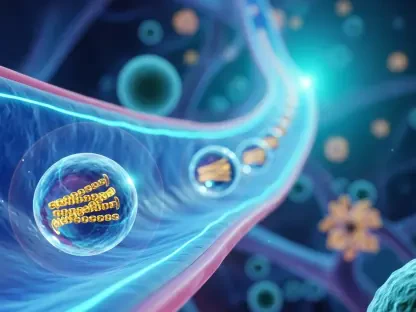
The primary obstacle to curing many aggressive forms of cancer is not a lack of potent chemical agents but rather the physical inability to smuggle these treatments past the cellular gatekeepers of the body. Most revolutionary therapies, designed to dismantle the very foundation of a tumor, are
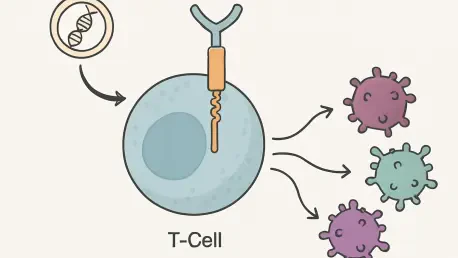
The architectural shift from designing immune cells as single-use biological missiles to constructing them as self-sustaining cellular dynasties marks a profound turning point in modern medicine. While traditional Chimeric Antigen Receptor (CAR) T-cell therapy has provided a lifeline for patients
The remarkable success of mRNA technology has recently showcased how lipid nanoparticles can alter the trajectory of global health, yet these microscopic delivery systems often encounter a silent, biological wall when navigating the complexities of the human body. While these particles perform with

The global pharmaceutical landscape has undergone a profound shift as the focus moves from mass-produced chemical pills toward highly personalized, biologically derived treatments that can essentially reprogram a patient’s own immune system. Ireland has positioned itself at the absolute center of

The depths of the ocean have long remained one of the final frontiers for medical innovation, harboring biological secrets that could redefine how modern medicine approaches the most aggressive forms of human malignancy. In a landmark study involving researchers from the Tokyo University of