
The clinical research community has long grappled with the invasive necessity of liver biopsies, yet the publication of the LITMUS Imaging Study in Nature Medicine marks a definitive turning point in the pursuit of non-invasive diagnostics. For decades, the liver biopsy stood as the undisputed gold

The pursuit of effective treatments for Duchenne muscular dystrophy has shifted focus toward managing cardiomyopathy, which currently stands as the most common cause of mortality for patients entering their second or third decade of life. Capricor Therapeutics recently faced significant headwinds

The financial architecture of modern drug development has undergone a radical transformation, positioning the Clinical Trial Per-Patient Cost as the definitive barometer for operational success in a landscape defined by hyper-personalized medicine. No longer viewed as a static accounting figure,

The intersection of computational intelligence and molecular biology has revealed a shocking source for the next generation of life-saving medicine: the same infectious proteins responsible for devastating neurological disorders like Creutzfeldt-Jakob disease. Researchers at the Perelman School of
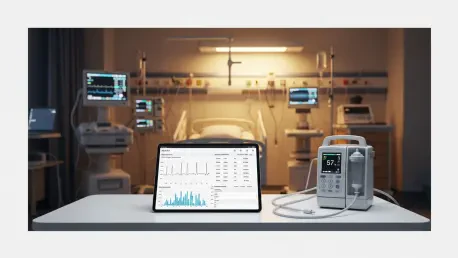
The critical window following an aneurysmal subarachnoid hemorrhage often determines the thin line between a successful recovery and permanent neurological deficit for thousands of patients every single year. These life-threatening brain bleeds require immediate and precise pharmacological
Group B Streptococcus remains a formidable adversary in the realm of neonatal health, contributing to significant rates of sepsis, pneumonia, and meningitis in infants globally. Pfizer’s hexavalent Group B Streptococcus vaccine, known as GBS6, has recently reached a pivotal moment in its