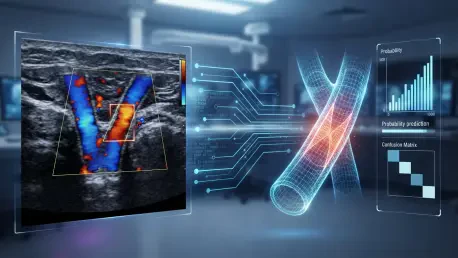
The Light Gradient Boosting Machine emerged as the most effective tool for calculating the probability of plaque rupture based on systemic biological indicators. This innovative approach addresses the critical challenge of identifying vulnerable carotid plaques before they lead to catastrophic
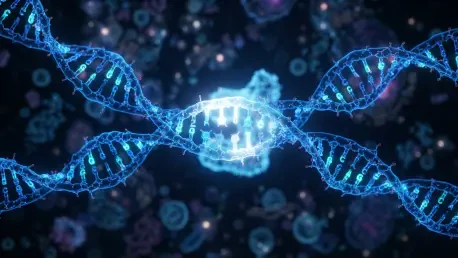
While the Cas9 protein effectively targets specific DNA sequences, its inherent biochemical flexibility allows for unintended cleavage at genomic sites that closely resemble the intended target. This fundamental challenge persists even as the medical community celebrates the clinical success of

The inclusion of telehealth follow-ups facilitates the participation of family members and caregivers who might not be available for traditional mid-day home visits. This regulatory update, which takes effect on November 1, represents a landmark shift in Australian pharmacy practice by allowing
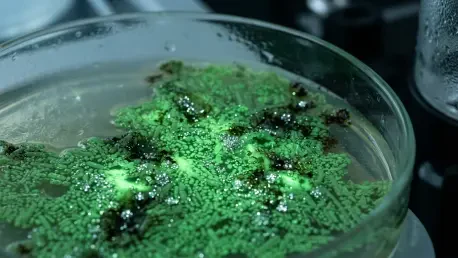
Small-scale nanoparticles are uniquely capable of penetrating the dense architecture of biofilms to disrupt the quorum sensing communication that bacteria use to maintain their survival. This revelation comes at a time when the global medical community is facing a significant crossroads, as the

Addressing the chronic ischemia found in diabetic ulcers requires the upregulation of vascular endothelial growth factor, a process achievable through ultrasound-microbubble therapy. The skin functions as a highly sophisticated, multi-layered organ that maintains a constant state of flux, balancing
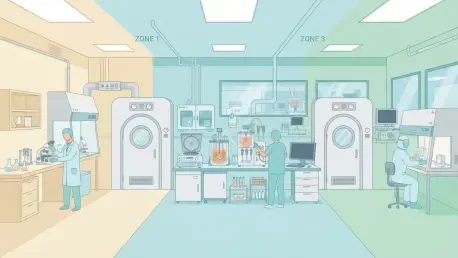
The rapid evolution of biotechnological capabilities has brought humanity to a critical juncture where the potential for life-saving discoveries is matched by the escalating complexity of biological threats. Effective biorisk governance requires a structured institutional architecture that moves