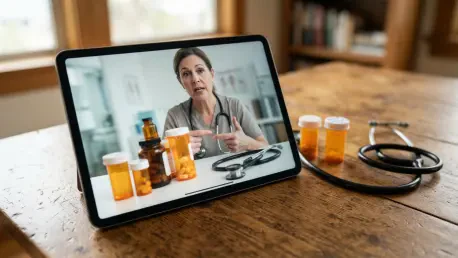

The inclusion of telehealth follow-ups facilitates the participation of family members and caregivers who might not be available for traditional mid-day home visits. This regulatory update, which takes effect on November 1, represents a landmark shift in Australian pharmacy practice by allowing credentialed pharmacists to conduct Home Medicines Reviews and Residential Medication Management Reviews through remote technology. Introduced by Federal Health Minister Mark Butler, this initiative seeks to modernize the delivery of medication safety services by prioritizing long-term adherence over one-off interventions. By creating a more flexible framework, the government aims to ensure that the clinical recommendations made during a pharmacist’s initial assessment are actually integrated into a patient’s daily routine. This evolution is particularly crucial for complex cases where medication management requires ongoing monitoring to prevent adverse reactions or hospitalizations. The shift reflects a broader commitment to utilizing technology to enhance health outcomes.
Distinguishing Initial Reviews: The Scope of Follow-Up Care
A fundamental component of the newly implemented program rules is the maintenance of a strict boundary between the initial comprehensive review and subsequent follow-up consultations. To ensure clinical safety and accuracy, initial Home Medicines Reviews must still be conducted face-to-face within the patient’s primary residence. Likewise, initial Residential Medication Management Reviews must occur in person at a designated aged care facility. The rationale for this requirement is rooted in the clinical necessity of observing a patient’s usual care environment, which provides context that a remote session simply cannot replicate. By being physically present, a pharmacist can assess how medications are stored, observe the patient’s physical mobility, and identify potential hazards in the home that might affect treatment adherence. This baseline assessment remains the bedrock of the medication review process, ensuring that the pharmacist has a complete picture of the patient’s health before moving to telehealth.
While the face-to-face model remains the standard for the first visit, the Pharmaceutical Society of Australia continues to advocate for additional flexibility within the broader Pharmacy Programs Agreement negotiations. These discussions focus on creating streamlined exceptions for initial reviews in specific circumstances, such as during natural disasters, in response to clinician safety concerns, or when meeting unique cultural requirements. However, for the current rollout starting in November, the expansion into telehealth is strictly reserved for follow-up services that occur after the initial physical assessment has been finalized. This phased approach allows the healthcare system to test the efficacy of remote consultations without compromising the depth of the primary clinical evaluation. By separating these two phases of care, the government ensures that the initial diagnosis is thorough while the follow-up remains accessible and efficient for both the practitioner and the patient, creating a sustainable balance between depth and convenience.
Technological Modalities: Bridging the Digital Divide
One of the most forward-thinking aspects of this policy reform is the official inclusion of both high-definition video conferencing and standard telephone consultations as valid telehealth modalities. The decision to include voice-only communication was a result of significant advocacy by professional bodies who recognized that a video-exclusive mandate would create new barriers to care. For many older Australians, navigating complex software or owning the necessary hardware for video calls can be a daunting task that might lead them to opt out of the service entirely. By validating the telephone as a professional tool for these reviews, the framework acknowledges the technological reality of the current demographic of patients. This approach ensures that the transition to digital healthcare does not inadvertently alienate the very people who stand to benefit most from expert medication guidance. It prioritizes the clinical conversation over the specific medium used to facilitate it, which is essential for inclusivity.
Furthermore, the inclusion of telephone-based services addresses the persistent issue of the digital divide that continues to impact various regions across the country. In many rural areas, internet connectivity remains unreliable or insufficient for stable video streaming, making a voice-only option a practical necessity rather than just a convenience. By providing this flexibility, the government is ensuring that geographical location does not dictate the quality or frequency of healthcare a citizen receives. The policy recognizes that for a follow-up review to be effective, it must be accessible and low-stress for the patient. A simple phone call can often be more conducive to an open and honest discussion about medication side effects than a lagging video feed. This pragmatic technological strategy allows pharmacists to maintain a consistent connection with their patients regardless of their technical literacy or the strength of their local infrastructure, thereby strengthening the continuity of care in a meaningful and measurable way.
Clinical Implementation: A Path Toward Future Safety
To ensure a seamless integration of telehealth follow-ups into daily operations, pharmacy practices must establish robust internal protocols well ahead of the implementation date. A telehealth consultation should be treated with the same level of professional rigor and formality as a traditional home visit. This involves more than just picking up the phone; it requires a structured environment where patient privacy is strictly maintained. Pharmacists should ensure they are in a quiet, private space where sensitive medical information cannot be overheard. Additionally, patients should be advised in advance to have all their current medications and any relevant health records ready for the call. Pre-appointment coordination might also include determining if an interpreter or a specific family member needs to be present to facilitate effective communication. By preparing in this way, the pharmacist can ensure that the time spent during the remote session is used efficiently and that the clinical goals of the review are met.
Looking ahead, the success of this initiative depended on the proactive collaboration between pharmacists and other primary care providers, particularly General Practitioners. The protocol for communicating the outcomes of a telehealth follow-up remained a critical step in the medication management cycle. Pharmacists were tasked with ensuring that any changes or observations made during the remote session were promptly shared with the referring physician to maintain a unified care plan. Furthermore, a clear strategy for escalating a remote call to a face-to-face visit was established to handle situations where a telephone or video consultation revealed issues that required a physical inspection. This forward-looking approach ensured that telehealth functioned as a reliable extension of traditional care rather than an isolated service. By adopting these structured next steps, the pharmacy profession successfully enhanced the safety and efficacy of medication use, providing a valuable blueprint for how digital technology can be utilized to improve health accessibility.