The 44 new drugs that gained approval from the FDA's Center for Drug Evaluation and Research in 2025 represented far more than a simple numerical milestone; they collectively heralded a fundamental paradigm shift in the landscape of therapeutic development. This pivotal year was defined not by the
For the more than one in seven individuals battling chronic kidney disease who also suffer from anemia, treatment has often meant managing debilitating symptoms rather than addressing the underlying cause. This reality is poised for a significant change, as a landmark collaboration between
The ability to visualize the intricate cellular ballet that precedes a formal disease diagnosis has long been the primary objective of modern medicine, a goal that promises to shift healthcare from a reactive to a proactive model. At the heart of this pursuit is Positron Emission Tomography (PET),
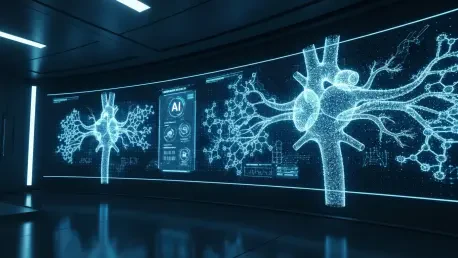
The next breakthrough in cardiovascular medicine might not originate from a high-tech laboratory or a sprawling clinical trial, but from the silent, detailed images captured by an MRI machine. A revolutionary approach using artificial intelligence is now deciphering the complex visual data within

In the intricate world of medical imaging, the human eye, despite its remarkable capabilities and years of training, is not infallible, and a single, overlooked shadow on a brain scan can have profound consequences for a patient's diagnosis and treatment path. The immense pressure on radiologists
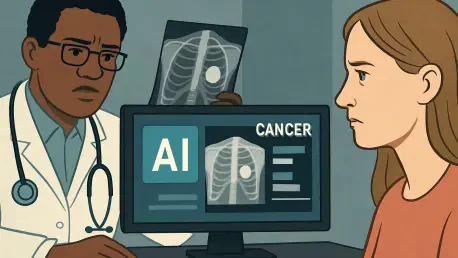
The intersection of artificial intelligence and medicine promises a future of unprecedented diagnostic precision. Yet, as these powerful tools are integrated into clinical practice, they bring with them the hidden risk of inheriting and amplifying human biases. We sat down with Ivan Kairatov, a