
The sheer volume of physiological data generated by a single premature infant in a modern neonatal intensive care unit often exceeds the capacity of even the most experienced medical teams to synthesize in real-time. Clinicians are tasked with monitoring dozens of variables, from blood oxygen
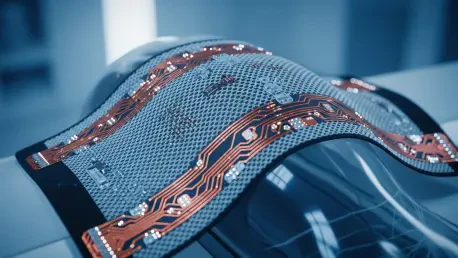
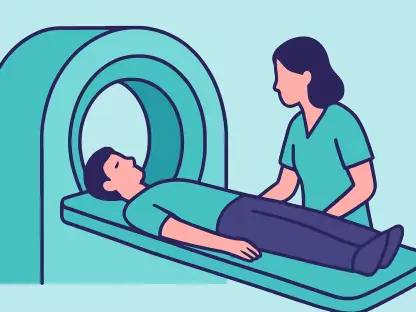
Radiology departments have long struggled with the paradox of patient comfort versus image resolution, where even the slightest movement can ruin a high-field scan and lead to diagnostic uncertainty. The ongoing shift in 2026 toward flexible radiofrequency coils marks a significant departure from
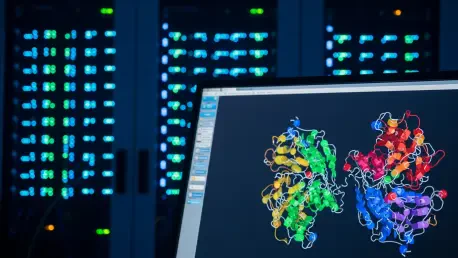
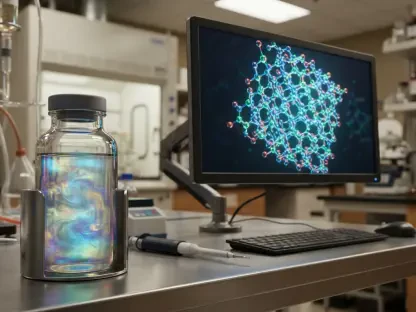
Ivan Kairatov is a distinguished figure in the biopharmaceutical sector, recognized for his profound expertise in merging computational deep learning with practical protein engineering. With a career rooted in high-stakes research and development, Kairatov has spent years exploring how

The medical landscape for treating chronic skin conditions is undergoing a radical transformation as researchers move away from broad-spectrum immune suppression toward highly specific molecular targets. Recent developments spearheaded by a collaboration between Northwestern Medicine and the Chan
The integration of personal health records into conversational artificial intelligence signifies a monumental shift in the way individuals interact with their own medical histories. This new capability allows users to bridge the gap between abstract clinical data and daily lifestyle choices by

While millions of Americans unknowingly broadcast their most intimate physiological metrics through wearable devices and mental health applications, federal privacy protections remain stuck in a pre-smartphone era that fails to safeguard modern digital footprints. In response to this growing