
Regulatory bodies like the FDA will likely demand more detailed pharmacokinetic characterization of tissue distribution following the prolonged activity seen with Kylo-11. The cardiovascular research community is currently absorbing the profound implications of the Phase 1 clinical trial results
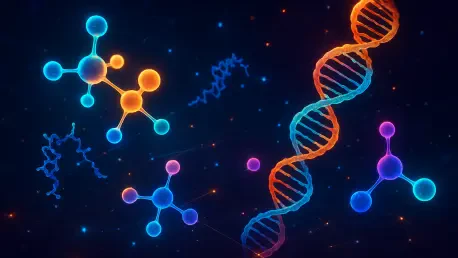
The interdisciplinary collaboration between biology and chemistry labs is essential for synthesizing new molecules capable of tagging cancer-essential proteins for destruction within the cell. This scientific synergy is particularly vital in the context of pediatric oncology, where the biological
The medical landscape is currently grappling with a profound paradox as the most promising frontier in immunology faces an unprecedented crisis of confidence. The biopharmaceutical sector must now determine if the high levels of toxicity tolerated in oncology are an acceptable trade-off for
When the protein-processing machinery of the endoplasmic reticulum is overwhelmed by external stressors, it triggers a cascade of signaling pathways that culminate in programmed cell death. In the current landscape of 2026, oncology has moved decisively toward these types of organelle-specific
While the new therapy offers metabolic stability, researchers continue to monitor whether it can prevent long-term secondary complications such as kidney disease and liver tumors. The landscape of metabolic medicine is currently undergoing a profound transformation, moving away from simple symptom
Next-generation sequencing has evolved into a standard care path at major cancer centers, allowing biotechnology firms like Aprea to identify patients with actionable mutations without the burden of expensive screening costs. This shift represents a fundamental departure from the historical