
The intricate supply chains required to produce life-saving medications now face unprecedented risks from extreme weather events and critical resource scarcity. The global pharmaceutical sector is currently undergoing a fundamental transformation as climate change shifts from a corporate social

The success of the 2026 mandate hinges on the ability of rural clinics to access the same high-quality digital history as specialized private hospitals in Mexico City. By fundamentally altering the General Health Law, the federal government has declared digital health a matter of absolute public

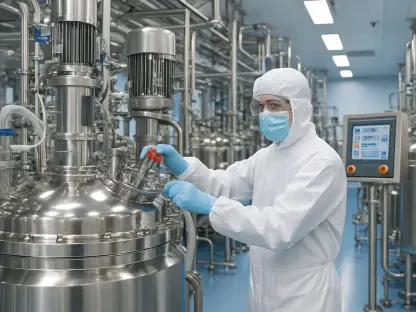
Modern industrial sectors are witnessing a quiet revolution where microscopic organisms are replacing heavy machinery and toxic solvents in the race for cleaner and more efficient production. Industrial bioprocessing allows for the creation of complex medicines derived from living organisms,
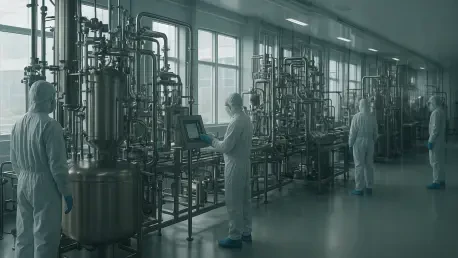
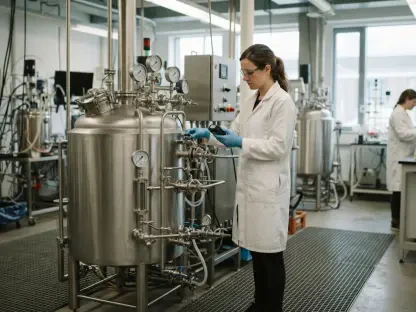
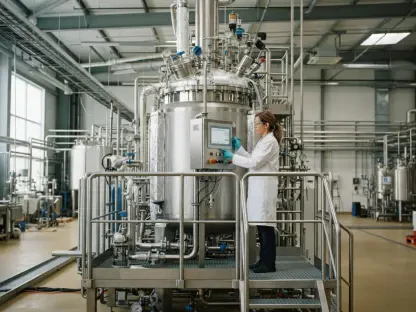
Personalized medicine is emerging as a primary catalyst for manufacturing innovation, requiring flexible platforms that can efficiently produce high-yield therapies for smaller patient populations. This fundamental shift marks the end of the traditional era where massive, stainless-steel vats

Modern pharmaceutical development frequently stalls when chemists deliver a bulk powder that formulation scientists cannot effectively process into a stable dosage form. This persistent challenge is largely a relic of outdated, siloed organizational structures where drug substance synthesis and

Traditional views of Information Technology as an ancillary back-office function are being rejected in favor of a clinical care model. The healthcare sector has reached a tipping point where a network failure is now as critical as a power outage in an intensive care unit. Recent breaches at