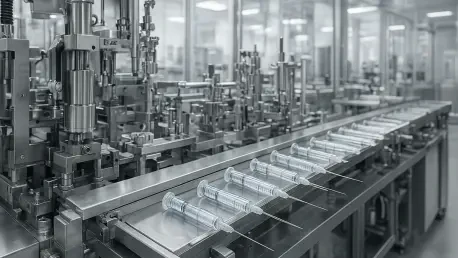

With BD products being used in ninety percent of U.S. hospital visits, the company’s move to solidify domestic production is a cornerstone of national health security. For decades, the globalized medical supply chain prioritized cost efficiency over redundancy, leaving healthcare providers vulnerable to geopolitical shifts and logistics bottlenecks. This massive $19 billion capital commitment reflects a fundamental pivot toward industrial resilience, ensuring that essential consumables remain available during both standard operations and unforeseen emergencies. By embedding production within the borders of the United States, BD addresses the systemic fragility that previously threatened patient care during peak demand periods. This strategic initiative is not merely about increasing output; it represents a comprehensive overhaul of how critical medical infrastructure is maintained. The focus remains on creating a self-sustaining ecosystem that bridges the gap between raw material sourcing and the delivery of life-saving tools to clinicians.
Strengthening the Industrial Base: Resilience Through Domestic Expansion
A primary driver of this multi-billion dollar investment is the direct allocation of $3 billion intended to modernize and expand existing manufacturing facilities. This specific funding aims to increase the annual output of essential medical consumables by approximately 5 billion units, focusing heavily on fundamental items like syringes and specialized delivery systems. As these projects move forward from 2026 through 2028, the company expects to reach a production threshold where roughly eighty percent of its essential products for the domestic market are manufactured locally. This volume is critical for stabilizing the market, as even minor disruptions in the supply of these low-cost but high-volume items can stall complex surgical procedures and routine vaccinations. By scaling these operations, the organization is effectively building a buffer against the volatility of international shipping lanes and the uncertainties inherent in long-distance logistics.
To achieve true industrial self-sufficiency, the focus has shifted toward the specific production of needles, which will now be manufactured entirely within the United States for domestic customers. This commitment is supported by the exclusive use of American-made steel, creating a closed-loop supply chain that starts at the foundry and ends in the hospital room. This localized approach leverages a sophisticated network of high-tech manufacturing hubs situated in states like Nebraska, Connecticut, Texas, and Georgia. By concentrating technical expertise and production assets in these regions, the company fosters a skilled workforce capable of operating advanced automation and precision engineering systems. This regional strategy does more than just secure supply; it ensures that the technical specifications of these medical devices are strictly controlled and maintained within a domestic regulatory framework. The integration of local raw materials further minimizes the carbon footprint of production.
A New Blueprint for Healthcare: Long-Term Impacts and Strategic Growth
The implementation of this massive investment strategy successfully transformed the landscape of medical supply procurement by 2026. Stakeholders recognized that the move toward domestic manufacturing was not just a defensive measure but a proactive step toward long-term operational excellence. Hospital administrators who previously struggled with backorders for basic supplies found that the localized production model provided a level of predictability that was previously unattainable. This transition proved that large-scale industrial shifts were possible when corporate strategy aligned with national security priorities. The reliance on domestic steel for needle production specifically insulated the healthcare sector from the price swings of the international commodities market. As a result, the healthcare system moved toward a more reliable procurement cycle, allowing for better inventory management and reduced waste. The emphasis on high-tech manufacturing also ensured that the quality of these medical essentials remained consistently high.
Moving forward, the focus expanded beyond manufacturing toward the continuous monitoring and digital integration of the supply chain. It became clear that physical production was only part of the solution; the next phase required the implementation of real-time data tracking to anticipate localized shortages before they occurred. Industry leaders suggested that the federal government should continue to foster these partnerships by expanding tariff relief programs to include raw materials for advanced diagnostic equipment. Furthermore, investment in workforce development programs proved essential to maintain the specialized talent pool required for these automated facilities. Future considerations also included the development of standardized emergency stockpiles that could be rotated through regular hospital inventory to prevent expiration while maintaining readiness. This holistic approach provided a roadmap for other critical industries seeking to repatriate production and secure their domestic markets. The lessons learned served as a template.