

The shift-left principle focuses on identifying software vulnerabilities early in the development process to reduce the risk of expensive rework and regulatory hurdles. In the current landscape of healthcare, the rapid adoption of artificial intelligence has moved from experimental pilot programs

The discovery of the STImS framework suggests that the 'one size fits all' approach to treating systemic inflammation is no longer sufficient for modern critical care. Sepsis remains a formidable challenge, claiming millions of lives annually through a process where the immune system inadvertently

The SLICeVLP system decouples guide RNA delivery from Cas9 protein delivery to enable large-scale pooled CRISPR screening in primary human macrophages for the first time. This technological leap addresses a longstanding bottleneck in the field of immunotherapy, where the focus has historically

In addition to the recent NCI renewal, the UC Davis Medical Center has maintained its ranking as the top hospital in the Sacramento area for fifteen consecutive years according to national reports. This sustained excellence reached a new milestone today as the National Cancer Institute officially

A major hurdle in cardiac surgery is the compliance mismatch between stiff artificial tubes and flexible arteries, which creates turbulent blood flow and eventual graft blockage. This fundamental discrepancy has long prevented the widespread adoption of synthetic bypass grafts, as the sudden change

The convergence of big data and clinical medicine is finally enabling the creation of a system where every patient encounter contributes to collective medical knowledge. As healthcare providers grapple with the sheer volume of information generated within their networks, the ability to synthesize

The internal chronology of the human brain appears to be a negotiation between hardwired genetic programs and the external environment rather than a purely reactive state. This realization marks a significant departure from traditional neurobiology, which often viewed the brain as a plastic organ
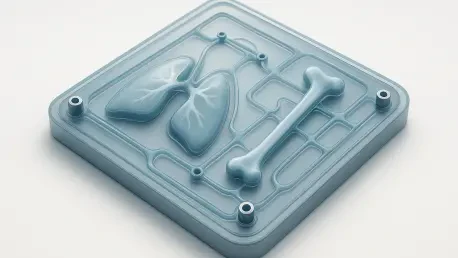
By integrating a selectively permeable endothelial lining, this new technology forces cancer cells to demonstrate their ability to traverse vessel walls. This breakthrough represents a monumental shift in oncology, moving away from the static culture plates and animal models that have dominated
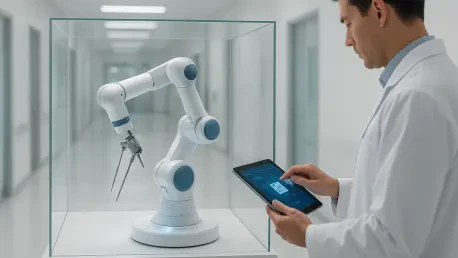
This digital initiative addresses long-standing inefficiencies by providing a public mechanism to verify the legal status of medical devices sold throughout the country. For many years, the Mexican medical device market struggled with a lack of transparency, where paper-based records led to

International researchers have identified a five-week chemoradiotherapy protocol that allows four out of five patients to avoid major surgery while maintaining their quality of life. This paradigm shift in oncology marks a departure from the traditional approach, where radical excision was


