
The daily reality for millions of individuals living with Type 1 diabetes has long been defined by a relentless cycle of glucose monitoring and insulin administration that leaves little room for error or spontaneity. For decades, the medical community sought a definitive solution that could restore natural glycemic control without the lifelong burden of exogenous hormones or the dangerous risks associated with organ transplantation. Recent breakthroughs in synthetic biology have finally pushed this vision into the realm of clinical reality through the initiation of the first human trials involving sophisticated, engineered cells. These cells are designed not only to produce insulin in response to real-time blood sugar levels but also to exist harmoniously within the host body without triggering a destructive immune response. This marks a pivotal shift from managing a chronic condition to actively repairing the underlying biological deficit through advanced genomic editing and regenerative medicine. The development of such technology represents a monumental leap forward for endocrine medicine and patient autonomy.
Restoring Biological Function: The Evolution of Cellular Replacement Therapy
Standard islet transplantation has provided a proof of concept for cellular therapy, yet it has remained an imperfect solution due to the scarcity of donor tissue and the toxicity of anti-rejection medications. To overcome these hurdles, scientists shifted their focus toward creating an inexhaustible supply of insulin-producing beta cells derived from pluripotent stem cells. This process involves guiding undifferentiated cells through a complex series of chemical signals that mimic natural embryonic development, eventually resulting in functional islets capable of precise metabolic sensing. Unlike donor cells, these lab-grown versions offer a high degree of uniformity and can be produced at a scale that meets global demand. The current clinical trials represent the culmination of years of iterative testing in preclinical models, where the primary goal was to ensure that these manufactured cells could survive the harsh internal environment of the human body. This progress represents a fundamental change in how the industry approaches chronic endocrine disorders.
The true innovation lies in the genetic modification of these stem-cell-derived islets to bypass the immune system’s detection mechanisms, essentially rendering them invisible to the body’s natural defenses. Using CRISPR-Cas9 technology, researchers have successfully deleted specific surface proteins that normally alert the immune system to the presence of foreign tissue. Furthermore, these cells are often programmed to express protective molecules that dampen local inflammatory responses, creating a localized shield within the transplant site. This dual-action approach addresses the autoimmune nature of Type 1 diabetes, where the body’s own white blood cells mistakenly attack insulin-producing clusters. By engineering resilience directly into the cellular architecture, the need for systemic immunosuppression is virtually eliminated, which significantly reduces the risk of infections. This technology opens the door for a much broader demographic of patients to receive restorative treatment safely. It provides a long-term biological solution.
Clinical Implementation: Navigating Safety and Delivery Challenges
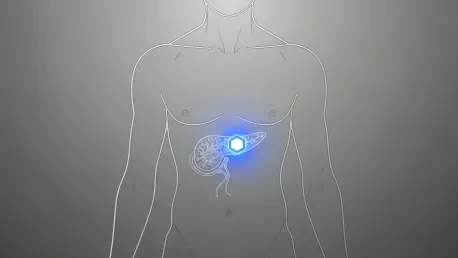
During the initial phases of the human trial, the delivery method has proven to be as critical as the cells themselves, with various encapsulation techniques being evaluated for their efficiency. One prominent approach involves placing the engineered cells into a retrievable, semi-permeable device that allows for the free exchange of nutrients and oxygen while physically blocking the entry of larger immune cells. This physical barrier provides an extra layer of security, ensuring that the therapy can be easily monitored or removed if necessary during the early testing stages. The trial participants are closely monitored using advanced continuous glucose monitors that provide high-resolution data on how effectively the implanted cells respond to dietary challenges and physical activity. Preliminary observations indicate that the cells integrate well with the surrounding vascular network, a vital step for long-term survival and functionality. This integration is essential for maintaining the correct kinetic profile.
The successful initiation of these human trials represented a definitive departure from the traditional management strategies that dominated the medical landscape for over a century. Stakeholders within the pharmaceutical and medical device industries recognized that the path forward necessitated a deeper investment in genomic manufacturing and personalized medicine frameworks. Clinicians and researchers shifted their priorities toward refining the delivery protocols and enhancing the durability of the engineered cellular clusters to ensure they remained functional for decades rather than years. Looking ahead, it became clear that the integration of synthetic biology into routine clinical practice required new regulatory pathways that could adapt to the rapid pace of biotechnological innovation. The focus moved toward establishing comprehensive patient registries to track long-term outcomes and inform future iterations of the therapy. By addressing the technical barriers, the healthcare community worked to transform a once-unmanageable diagnosis into a condition.