
The inherent inefficiencies of the autologous model are tied to a one-batch-per-patient approach that restricts throughput and maintains high market prices for oncology treatments. While Chimeric Antigen Receptor (CAR) T-cell therapies have redefined oncology by providing life-saving results for previously untreatable cancers, the operational framework required to deliver them remains fragile. At present, the industry struggles with high production costs, specialized infrastructure requirements, and a significant lack of geographic equity, which prevents millions of patients in underserved regions from accessing these revolutionary treatments. Addressing these systemic hurdles requires a fundamental shift in how the industry views manufacturing and distribution. Currently, even in developed nations, the scarcity of specialized treatment centers creates a bottleneck that limits patient intake. As the sector matures, the focus must move beyond scientific viability and toward creating a sustainable model that can operate effectively on a global scale.
Streamlining Production: Rapid Delivery and Point of Care
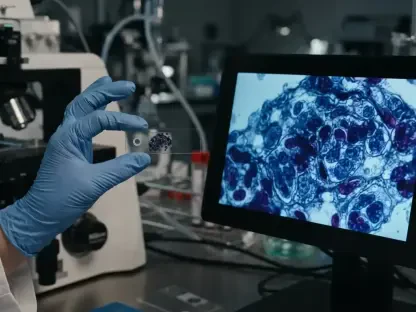
The dominant therapeutic model is currently autologous, a personalized approach where a patient’s own cells are engineered into a treatment. While highly effective, this design is inherently difficult to scale and creates significant logistical strain. However, recent innovations are dramatically shortening the manufacturing timeline from weeks to just one or two days. This acceleration does more than just improve logistics; it enhances the biological quality of the cells by preventing “cell exhaustion,” ensuring that the final product retains a more robust memory phenotype for a longer-lasting therapeutic effect within the patient. By bypassing the traditional expansion phase, developers have observed that T-cells remain in a more primitive, potent state. This biological preservation translates to improved clinical outcomes, as these younger cells possess a superior ability to replicate and persist once they are reinfused into the patient’s circulatory system, ultimately leading to higher remission rates.
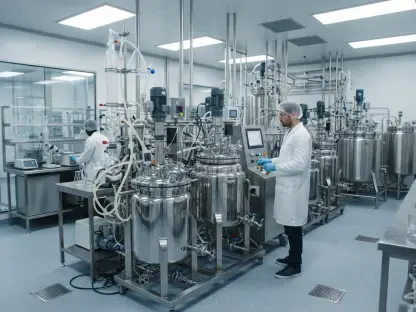
To further bridge the gap in patient access, the industry is exploring decentralized manufacturing, which involves placing automated production units directly at the point of care. This “hospital-in-a-box” concept aims to eliminate the need for complex cryopreservation and international shipping, allowing for high-quality production anywhere in the world. Despite the promise of decentralization, the industry faces a new analytical bottleneck. While the physical growth of cells has been automated, the complex quality control testing—such as flow cytometry and sterility verification—remains a manual, time-consuming process that could delay the delivery of these rapid-turnaround therapies. Solving this requires the integration of real-time monitoring sensors and automated release testing protocols. Without these digital advancements, the speed gained during the engineering phase is lost during the validation phase, leaving patients to wait while the finished product sits in a laboratory for final approval.
The Synthetic Shift: Chemical Precision and Global Access
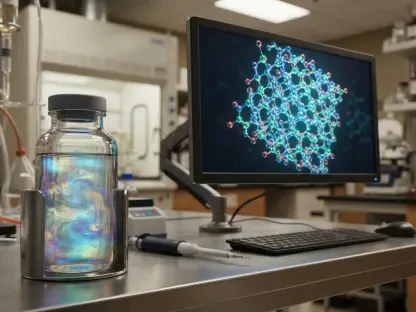
While allogeneic or “off-the-shelf” therapies are often viewed as the logical successor to personalized treatments, they carry their own biological risks and complexities, such as graft-versus-host disease. A more transformative path may lie in the “synthetic pivot,” which utilizes targeted Lipid Nanoparticles (LNPs) to deliver genetic instructions directly to a patient’s cells in vivo. This method mirrors the clinical success of CAR T-cell therapy but replaces biological cell culture with a controlled chemical process. By treating the production of these therapies more like traditional chemical manufacturing, the industry can bypass the inherent variability and scaling limits of living human material. This shift represents a move away from “growing” medicine toward “building” it with molecular precision. Targeted delivery systems now allow for the specific modification of immune cells inside the body, effectively turning the patient’s own lymphatic system into a sophisticated manufacturing site.
The transition to a synthetic model offers profound advantages in terms of safety, consistency, and volume. Because synthetic processes eliminate the need for viral vectors, they remove concerns regarding replication competency and vector copy numbers, leading to a more standardized product. However, the economic reality of this shift remains a challenge; even though synthetic methods are more scalable, the raw materials and specialized ligands remain expensive. As the technology matures, the goal remains to leverage these synthetic efficiencies to drive down costs, eventually making these high-tier therapies affordable for healthcare systems worldwide. Standardizing the LNP assembly process can reduce batch-to-batch variation, a persistent hurdle in traditional cell therapy. Furthermore, the absence of viral-mediated insertion reduces the risk of insertional mutagenesis, providing a cleaner safety profile that simplifies the regulatory path for new indications across diverse patient populations.
The medical community successfully transitioned toward more accessible and chemically defined therapies by redesigning existing oncology frameworks. Stakeholders moved beyond the limitations of autologous production by investing in synthetic platforms that prioritized scalability and safety. This shift facilitated a more equitable distribution of life-saving technologies, ensuring that the benefits of cell engineering were no longer restricted to elite medical centers. Future considerations focused on the continuous optimization of delivery vehicles and the reduction of raw material costs through industrial-scale synthesis. By adopting these actionable steps, the industry addressed the commercialization gap that once threatened the viability of advanced therapeutics. These efforts established a blueprint for the next generation of precision medicine, where high-tier treatments became a standard of care accessible to a global population. The focus then shifted to integrating these tools into earlier lines of treatment.