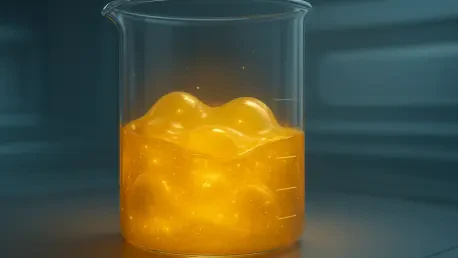

Modern hydrogel designs mimic the natural environment of living tissue by maintaining a moisture content of roughly 90 percent to prevent cell death and scarring. This fundamental shift in wound management comes at a time when traditional methods are increasingly viewed as insufficient for the complex requirements of severe trauma. Every year, millions of individuals worldwide suffer from deep-tissue burns that compromise the skin’s ability to regulate temperature, maintain fluid balance, and provide a barrier against pathogens. Conventional dressings, such as petroleum-based products or simple cotton gauze, often fail because they remain passive observers in the healing process. These older materials can even cause secondary injuries, as they frequently adhere to the wound bed and tear away fragile new tissue during dressing changes. In response to these clinical hurdles, a collaborative team from Wichita State University and the University of Kansas School of Medicine-Wichita has developed a sophisticated class of multifunctional hydrogels. These materials are not merely covers; they are active therapeutic scaffolds designed to integrate with the body’s natural repair mechanisms while providing an optimal environment for regeneration.
The Science of Active Tissue Regeneration
Breakthroughs: Cellular Proliferation and Selenium Integration
The most significant advancement in this research is the integration of selenium into the hydrogel matrix, which has demonstrated a remarkable ability to accelerate the growth of the primary cells responsible for skin repair. During laboratory testing using 3T3 fibroblast cells, researchers observed that formulations containing one gram of selenium achieved a cell viability rate of approximately 160 percent compared to the control group. This indicates that the selenium-enriched environment does more than just sustain life; it actively stimulates these cells to multiply at a rate far exceeding standard biological expectations. This “synergistic effect” is attributed to the unique antioxidant properties of selenium, which help to mitigate the oxidative stress typically found in damaged tissue. By neutralizing reactive oxygen species that would otherwise hinder cellular repair, the selenium creates a protective pocket where fibroblasts can thrive. Furthermore, the mildly acidic environment of the gel, maintained through the use of acetic acid during the synthesis process, appears to facilitate better nutrient diffusion and cell migration, effectively turning the wound site into a high-productivity zone for tissue growth.
Beyond the immediate acceleration of cell counts, the research highlighted how selenium works in tandem with the physical structure of the hydrogel to support the formation of new blood vessels, a process known as angiogenesis. In deep burn injuries, the loss of vascularity is a primary reason why healing stalls, as nutrients and oxygen cannot reach the center of the wound. The selenium-enriched hydrogels address this by providing the chemical signaling necessary to encourage vascular regrowth while the chitosan and gelatin base offers a stable physical architecture. The researchers used methyl thiazolyl tetrazolium (MTT) assays to confirm that these high rates of cellular activity were consistent across different testing phases, proving that the material remained non-toxic even as it boosted productivity. This discovery suggests that the standard for burn care might soon move away from simple protection toward active biological enhancement, where the dressing itself dictates the speed and quality of the recovery rather than leaving it entirely to the body’s compromised natural resources.
Therapeutic Synergy: The Bioactive Cocktail Approach
The hydrogel design incorporates a meticulously selected “cocktail” of bioactive ingredients that address different stages of the healing cycle simultaneously. While selenium handles the cellular proliferation, the addition of Vitamins A and C provides the necessary chemical foundations for collagen synthesis and epithelial repair. Collagen is the structural protein that gives skin its strength and elasticity, and its rapid production is vital for closing a wound and preventing the formation of thick, restrictive scar tissue. By embedding these vitamins directly into the gel matrix, the researchers ensured that the healing tissue receives a localized, high-concentration supply of nutrients that might not reach the wound through the bloodstream due to damaged vessels. This localized delivery is a significant improvement over systemic supplements, which often dissipate throughout the body before reaching the specific site of trauma where they are needed most.
In addition to vitamins, the inclusion of natural oils and resins such as almond oil, neem oil, and propolis adds a layer of multifaceted support for skin hydration and regeneration. Almond oil is recognized for its emollient properties, helping to keep the surrounding skin supple and preventing the characteristic tightness associated with burn scars. Propolis, a resinous substance collected by honeybees, has been studied for its historical efficacy in tissue regeneration and its ability to modulate the inflammatory response. Neem oil serves as an additional layer of defense, possessing natural antimicrobial and soothing properties that help manage the intense discomfort and itching that patients experience during the middle stages of recovery. Together, these components work within the three-dimensional network of the hydrogel to create a cooling, moist environment that mimics the natural behavior of human skin while providing the chemical “fuel” required for the body to rebuild itself.
Engineering a Defensive Barrier Against Infection
Pathogen Defense: Antimicrobial Properties and Structural Integrity
Burn wounds are notoriously susceptible to infections that can quickly turn systemic, leading to sepsis and high mortality rates among trauma patients. To counter this, the Wichita-based researchers incorporated silver and copper nanopowders into the hydrogel to act as broad-spectrum antimicrobial agents. These metals are particularly effective at disrupting the formation of biofilms—complex, slimy layers of bacteria that are famously resistant to traditional antibiotic treatments. When bacteria like MRSA or Pseudomonas aeruginosa attempt to colonize the wound, the silver and copper ions within the gel disrupt their cellular membranes and metabolic processes, preventing the infection from taking hold. While these metallic components showed slightly lower cell viability rates for human fibroblasts compared to the selenium-only versions, the trade-off is considered clinically essential. A sterile environment is the absolute prerequisite for healing, and the antimicrobial potency of these nanoparticles ensures that the regenerative benefits of the selenium are not wasted on a wound that is fighting off a life-threatening infection.
The structural integrity of the hydrogel was verified through a suite of analytical techniques, including Fourier-transform infrared spectroscopy (FTIR) and thermogravimetric analysis (TGA). These tests confirmed that the various bioactive components were successfully cross-linked within the polymer matrix through hydrogen bonding, which is the secret to the material’s impressive water-retention capabilities. X-ray diffraction (XRD) further verified that the antimicrobial silver and copper particles were uniformly distributed throughout the gel, ensuring that there were no “weak spots” in the dressing’s defensive barrier. This uniform distribution is vital because it ensures that every square millimeter of the burn is protected from bacterial invasion. The thermal stability demonstrated by the TGA results also means that the hydrogel can maintain its consistency and moisture level even when exposed to the high body temperatures often associated with the inflammatory response of a burn victim, providing a stable and cooling environment that reduces pain and prevents further tissue desiccation.
Performance Metrics: Swelling Behavior and Controlled Release
A critical factor in the success of any wound dressing is its ability to manage the fluids that naturally leak from a burn, known as exudate. The newly developed hydrogels demonstrated an extraordinary swelling capacity, absorbing between 870 and 1005 percent of their own weight in water when placed in a physiological environment. This high degree of absorption allows the dressing to soak up excess fluid from the wound bed, which prevents the surrounding healthy skin from becoming macerated or soggy while still maintaining a moist surface at the point of contact. By effectively managing this moisture balance, the hydrogel prevents the wound from drying out—a condition that leads to cell death—while simultaneously removing the excess waste products that can slow down the healing process. This dual-action fluid management is a hallmark of the material’s engineering, providing a level of moisture control that traditional gauze simply cannot match.
The delivery of healing agents is governed by a process known as Fickian diffusion, which allows for the controlled, steady release of selenium, vitamins, and antimicrobial ions over an extended period. During a 14-day observation window, the hydrogels showed a cumulative and consistent release pattern, ensuring that the wound was never overwhelmed by a single large dose nor left without medication. This steady-state delivery is essential for maintaining therapeutic levels of nutrients at the wound site, and it significantly reduces the need for frequent dressing changes. Since dressing changes are often the most painful part of burn recovery and can lead to further tissue damage, the ability of these hydrogels to remain effective for up to two weeks represents a major improvement in patient comfort and clinical outcomes. The versatile pH range of the gels—from acidic to alkaline—also allows medical professionals to choose a specific formulation that matches the current stage of the patient’s healing process, further refining the personalized nature of the treatment.
Future Applications in Clinical Settings
Scalability: Customization Through Advanced Manufacturing
The repeatable chemical synthesis process used to create these selenium-enriched hydrogels makes them an ideal candidate for large-scale production and advanced manufacturing techniques like 3D printing. In the near future, medical facilities could potentially use bioprinting technology to create custom-fit dressings that match the exact contours and depth of a patient’s injury. Because burns are rarely uniform in shape or severity, a 3D-printed hydrogel could ensure that more aggressive antimicrobial agents are concentrated where the infection risk is highest, while growth-boosting selenium is focused on areas where tissue loss is most severe. This level of personalization would represent a move toward “precision wound care,” where the treatment is as unique as the patient’s injury. The stability of the hydrogel matrix ensures that it can withstand the printing process without losing its structural integrity or the potency of its bioactive “cocktail,” making it a versatile tool for future surgical and trauma units.
The manufacturing stability also suggests that these hydrogels could be produced in various forms, such as injectable gels for deep cavity wounds or pre-formed sheets for surface burns. This versatility is crucial for military medicine and emergency response, where medical personnel need lightweight, effective, and easy-to-apply treatments that can stabilize a patient long before they reach a specialized burn center. By utilizing a base of natural polymers like chitosan and gelatin, the production process remains relatively cost-effective and environmentally sustainable compared to synthetic alternatives. As the technology moves toward commercial availability, the focus will remain on maintaining the delicate balance of ingredients that led to the 160 percent growth breakthrough, ensuring that mass-produced versions offer the same life-changing benefits as the laboratory prototypes. The ability to store and transport these gels under standard medical conditions further enhances their potential for global distribution, particularly in regions where access to advanced burn care is currently limited.
Clinical Translation: Path to Human Implementation
The research team established a strong foundation for the next phase of development, which involved transitioning from laboratory cell cultures to more complex biological systems. Initial testing successfully proved that the selenium-enriched hydrogels were safe for use with human-like fibroblast cells, but the true test lay in how these materials performed on living tissue. Subsequent animal studies were planned to observe the long-term interaction between the hydrogel and the immune system, ensuring that the material did not trigger an adverse inflammatory response over weeks of continuous contact. These studies also provided an opportunity to test the gel’s efficacy against more aggressive bacterial strains in a realistic environment, confirming that the silver and copper nanoparticles could maintain a sterile wound bed even under high-stress conditions. Each successful test brought the technology closer to the ultimate goal of human clinical trials, where the benefits for actual patients could finally be realized.
As the technology progressed through these necessary developmental gates, it became clear that the integration of selenium represented a fundamental change in the philosophy of wound care. The focus shifted from merely waiting for the body to heal to actively guiding and accelerating that process through bio-chemical intervention. Researchers looked toward a future where the standard of care for severe burns involves the immediate application of a multifunctional scaffold that manages pain, stops infection, and doubles the rate of tissue repair. This holistic approach promised to reduce the overall time patients spent in intensive care units and significantly lower the incidence of long-term disability and scarring. By addressing the physical, chemical, and biological needs of the wound simultaneously, this research created a new pathway for recovery that offered hope to survivors of severe trauma. The shift toward these active, nutrient-dense hydrogels marked the end of the era of passive bandages and the beginning of a new standard in regenerative medicine.