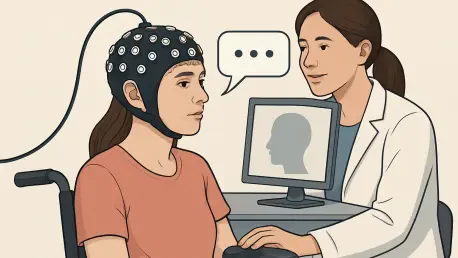
I'm Ivan Kairatov, and for years, my work has been centered at the intersection of biotechnology and engineering, specifically focusing on how we can bridge the gap between the human brain and external technology. The progress we're seeing in brain-computer interfaces, or BCIs, is nothing short of
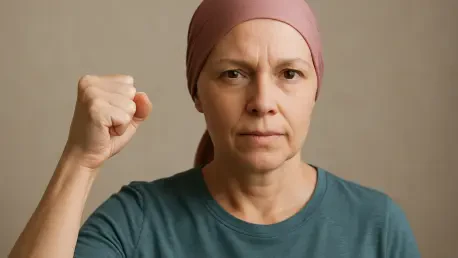
The staggering reality of cancer in Europe continues to cast a long shadow, with over 3.2 million new diagnoses and 1.5 million lives lost each year, underscoring the urgent need for a unified and effective response. Amid this challenge, a powerful new paradigm in oncology has emerged, encapsulated
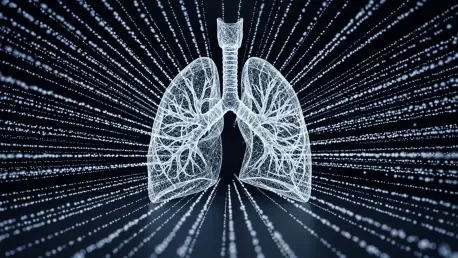
The relentless pursuit of earlier and more precise lung cancer detection has continually driven innovation in medical imaging, pushing the boundaries of what is technologically possible to give clinicians an edge against this formidable disease. For decades, computed tomography has been the

A bacterial infection that is considered treatable in a New York hospital could be diagnosed as dangerously resistant in a Berlin clinic, a discrepancy rooted not in biology but in the conflicting rulebooks used to interpret the same scientific data. This global inconsistency is quietly undermining
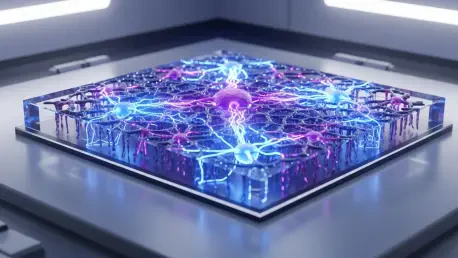
As a Biopharma expert at the forefront of tech and innovation, Ivan Kairatov is revolutionizing how we study the human brain. His work focuses on developing advanced, human-relevant models known as brain microphysiological systems to enhance the safety of chemical and drug testing. In our

A brief but deeply impactful federal government shutdown has thrown crucial healthcare services into disarray, abruptly halting the pandemic-era Medicare telehealth and Hospital-at-Home flexibilities that have become a lifeline for millions of Americans. This funding lapse, triggered by a