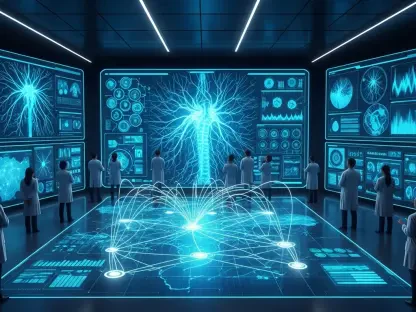

Today we’re speaking with Ivan Kairatov, a biopharma expert with a deep understanding of how technology and innovation are reshaping the industry. We'll be exploring the fascinating and complex gap between the theoretical promise of AI in medicine and its real-world performance. The conversation
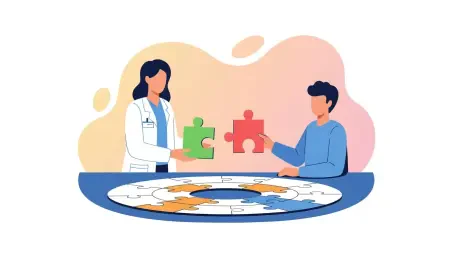
The quiet aftermath of a traumatic event often conjures images of panicked awakenings and a constant state of high alert, yet for the vast majority of survivors, the most debilitating struggle is a silent, internal battle waged not against terror but against a crushing weight of sorrow and
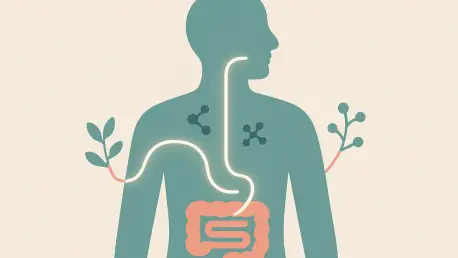
The persistent link between a stressful week and an unwelcome skin breakout, or the way certain meals can either energize the mind or cast a fog over it, is far more than mere coincidence. These everyday experiences are surface-level indicators of a profound and constant dialogue happening deep
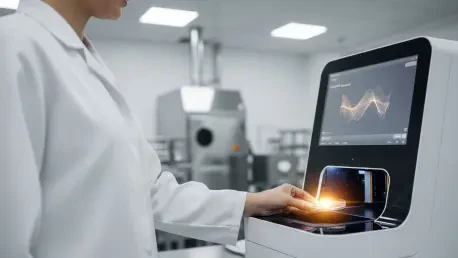
As a biopharma expert deeply involved in technological innovation, Ivan Kairatov has been at the forefront of applying advanced science to solve critical industry challenges. Today, he joins us to discuss a groundbreaking development in food safety: an artificial intelligence system that
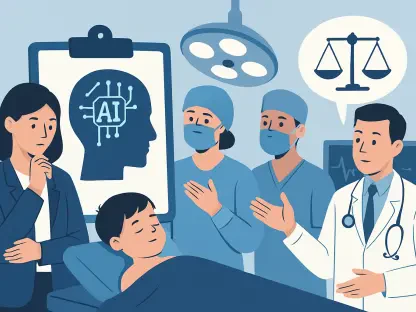
The integration of artificial intelligence into healthcare has promised to revolutionize diagnostics and patient care, yet a groundbreaking study from the Mount Sinai Health System reveals a critical vulnerability that could undermine this progress. Extensive testing on large language models (LLMs)
The landscape of modern medicine is undergoing a profound transformation, shifting from a reactive model of treating symptoms to a proactive strategy focused on early detection and prevention. This evolution is fueling an unprecedented surge in advanced diagnostic technologies, with whole body