
The silent hum of data processing centers has become as much a fixture of the modern medical ward as the rhythmic beep of a heart monitor, yet this digital transformation carries significant hidden risks. Unlike administrative AI used for scheduling, clinical decision support tools enter the reasoning chain for critical issues like sepsis risk and physiological deterioration. These complex systems analyze vast amounts of patient data to predict outcomes, but frontline nurses are signaling that an over-reliance on these mathematical models could erode the essential human element of healthcare. Registered nurses often possess a localized, experiential knowledge that a machine cannot replicate through pattern recognition alone. When an algorithm suggests a specific course of action, it creates a psychological pressure to conform, potentially overriding the situational awareness of the person actually standing at the bedside. The challenge lies in ensuring that these powerful digital assistants serve to augment human expertise rather than replace the nuanced observations that define quality patient care.
Bridging the Divide: Discrepancies Between Software and Bedside Reality
A profound disconnect has emerged between the predictive outputs of hospital algorithms and the physical realities observed by nursing staff during their shifts. Significant numbers of practitioners have reported that acuity software—the tools used by management to quantify patient illness and determine staffing needs—often fails to capture the true complexity of bedside care. When these digital metrics underestimate the severity of a patient’s condition, it creates a cascading effect of understaffing that compromises safety for both the patient and the provider. This quantitative approach often misses qualitative factors, such as a patient’s emotional distress or the sudden, subtle changes in skin temperature that a seasoned nurse notices instantly. The reliance on data points over direct observation suggests a shift toward a factory-like model of healthcare where efficiency is measured by software pings rather than patient outcomes. Bridging this gap requires a reevaluation of how much weight is given to digital scores versus the professional testimony of those delivering direct care.
This growing divide is further exacerbated by a top-down management style that frequently prioritizes technological expansion over the practical insights of clinical staff. Many hospital leaders have moved toward the rapid deployment of proprietary systems without sufficient transparency regarding the underlying logic of the algorithms. This lack of openness has fostered a deep sense of skepticism among registered nurses who are expected to use these tools daily without fully understanding their limitations. The “black box” nature of many clinical tools means that when a contradiction arises between a human assessment and a computer-generated risk score, the nurse is left in a difficult position of defending their judgment against a machine. Institutional trust is further eroded when financial motivations appear to drive the adoption of automation, leading to a perception that technology is being used to justify leaner staffing models. To restore this trust, healthcare facilities must integrate nursing leadership into the development phase of any new digital implementation to ensure the tools reflect reality.
Risk Stratification: Distinguishing Administrative Support From Clinical Influence
Navigating the risks associated with hospital technology requires a clear distinction between administrative automation and clinical decision-making tools. Documentation software and ambient listening devices, such as those developed by companies like Nuance, are primarily designed to alleviate the significant administrative burden placed on medical staff. By transcribing patient interactions and populating electronic health records in real-time, these tools can potentially reduce burnout and allow for more focused patient engagement. Because the output of these systems is typically a narrative record that can be reviewed and edited by a human, the immediate clinical risk remains relatively low. The errors produced by such systems, while frustrating, are usually visible and do not directly dictate medical interventions without further professional oversight. These technologies represent a logistical optimization of the workplace, focusing on the efficiency of data entry rather than the complex interpretation of physiological data or the determination of a treatment plan for a patient.
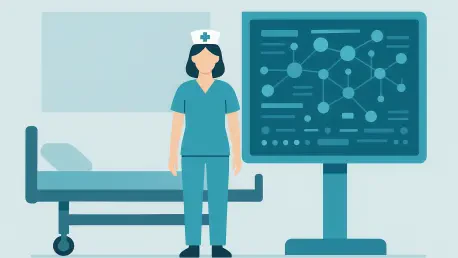
In stark contrast, clinical decision support systems operate within a much higher-stakes environment where the margin for error is razor-thin. These advanced algorithms are designed to process vital signs, lab results, and demographic data to flag early warnings for life-threatening conditions such as sepsis, renal failure, or respiratory distress. Because these scores are integrated directly into the medical reasoning chain, they carry the power to steer the direction of a patient’s treatment before a physician or nurse has even entered the room. If a system provides a false negative, a deteriorating patient may be overlooked during a critical window for intervention; conversely, a high rate of false positives can lead to pervasive alert fatigue, causing staff to ignore genuine warnings. The danger lies in the potential for these tools to become authoritative rather than advisory, essentially automating the diagnostic process. Ensuring these systems remain supportive requires rigorous validation and a constant feedback loop from the nurses who are tasked with interpreting the data in real-time.
Professional Integrity: Maintaining Standards in an Algorithmic Age
The American Nurses Association and other professional bodies have voiced significant concerns that an uncritical adoption of AI could lead to a steady erosion of professional standards. Nursing is inherently a holistic discipline that requires the integration of biological, psychological, and social factors that a narrow algorithm simply cannot process. There is a tangible fear that as hospitals become more dependent on automated prompts, the next generation of practitioners may lose the critical thinking skills developed through independent observation and clinical reasoning. Furthermore, the data sets used to train these predictive models often contain historical biases that can unintentionally perpetuate health disparities among marginalized groups. If an algorithm is trained on data that reflects systemic inequities, it may provide inaccurate risk assessments for certain populations, leading to a lower standard of care. Preserving the integrity of the nursing profession necessitates a commitment to ethical AI development that prioritizes equity and ensures that the human practitioner remains the final arbiter of every clinical decision.
Compounding these professional concerns is the unresolved issue of legal liability in an increasingly automated healthcare environment. Many nurses have expressed anxiety regarding their legal exposure if they choose to override an AI-driven recommendation that later turns out to be correct, or if they follow a flawed automated prompt that results in patient harm. While hospital policies may encourage the use of these tools, the legal framework for accountability often remains centered on the individual clinician’s license and judgment. This creates an immense cognitive and emotional burden, as staff must navigate a complex landscape where they are held responsible for the outcomes of systems they did not design and cannot fully control. Management pressure to adhere to “data-driven” workflows can make it difficult for a nurse to justify a deviation from the algorithm, even when their clinical intuition suggests a different path. Establishing clear legal protections and institutional protocols is essential to ensure that nurses feel empowered to prioritize their professional judgment over a computer’s suggestion.
Governance and Advocacy: Ensuring Safe Implementation Through Collective Action
As technology becomes more deeply embedded in the clinical workflow, nursing organizations are increasingly utilizing collective bargaining to safeguard patient safety. Recent labor negotiations within major health systems have resulted in groundbreaking contract language that limits the scope of how AI can be utilized on the front lines. These agreements often specify that automated tools cannot be used as the sole basis for determining staffing levels or as a disciplinary mechanism for evaluating employee performance. By establishing these boundaries, nurses are ensuring that technology remains a tool for enhancement rather than a means of institutional control. Statistics from facilities that have adopted a collaborative approach show that when frontline staff are actively involved in the selection and vetting of software, the resulting systems are more practical and have higher adoption rates. This participatory model proves that transparency and worker input are not just labor issues, but are foundational components of a safe and effective technological implementation within the healthcare sector.
The path forward required a fundamental shift toward a precautionary standard that prioritized human oversight in every aspect of the medical reasoning process. Advocacy groups successfully pushed for legislative frameworks that mandated rigorous, ongoing testing of clinical algorithms before they were permitted at the bedside. Patients and their families also became more active participants in this safety network, learning to ask specific questions about how automated tools influenced their care plans. These collective efforts ensured that clinical intuition remained the final safety net, protecting patients from the potential blind spots of even the most sophisticated software systems. By 2026, the focus moved toward creating an integrated ecosystem where data provided the map, but the human practitioner remained firmly at the helm of the journey. This approach emphasized that the true value of healthcare technology lay in its ability to amplify human compassion and expertise rather than minimizing it. The industry ultimately recognized that while machines could calculate risks, only nurses could provide the intuitive care necessary for true healing.