
The architectural integrity of the human skeleton has long been regarded as a separate domain from the intricate cognitive networks of the mind, yet emerging research suggests the spine may serve as a profound biological mirror for neurological health. A comprehensive study from Johns Hopkins University has shifted this paradigm by demonstrating that the mineral density of thoracic vertebrae acts as a potent predictor of brain aging. This revelation suggests that the weakening of the skeletal structure and the decline of cognitive function are not merely coincidental milestones of growing older but are deeply interconnected processes sharing a common biological trajectory.
The Silent Mirror: Why Your Spine May Hold the Secrets to Your Brain’s Vitality
Recent investigations have highlighted that the density of the mid-spine can reveal subtle shifts in the central nervous system long before clinical symptoms of memory loss appear. The research indicates that individuals with lower bone mineral density in their thoracic vertebrae often exhibit structural brain changes that mirror those found in early-stage neurodegenerative conditions. By identifying these skeletal markers, medical professionals can potentially catch the earliest signs of cognitive deterioration, using the spine as a visible indicator of hidden neurological risks.
This discovery challenges the historic tendency to treat bone loss and brain health as isolated medical issues. Instead of viewing osteoporosis and dementia as distinct problems, the data suggests that a fragile spine is often the first warning sign of a brain that is aging faster than the chronological years would suggest. This connection provides a new level of diagnostic clarity, turning routine spinal assessments into a broader evaluation of a patient’s long-term mental vitality and physical resilience.
Breaking the Silos of Geriatric Medicine and Metabolic Health
The integration of bone and brain science is increasingly critical as the global population faces a rise in age-related disorders. Traditionally, geriatric medicine has managed physical frailty through bone density scans and cognitive health through neurology consults, rarely looking for the overlap between the two. However, recognizing that the degradation of one system mirrors the other allows for a more unified approach to healthcare. When a clinician observes a significant drop in spinal density, it should now prompt an investigation into the patient’s neurological status.
This shift toward holistic medicine focuses on the metabolic drivers that govern both systems, such as insulin resistance and the hormonal shifts that occur during and after menopause. These factors create a systemic environment that can either support or undermine the health of every organ. By addressing these shared metabolic roots, the medical community can move away from treating symptoms in isolation and toward a model that stabilizes the entire human biology as a single, interconnected unit.
Uncovering the Bone-Brain Connection Through Advanced Analytics
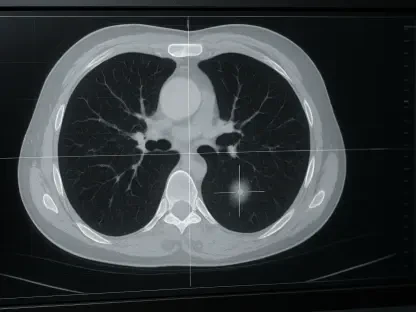
Modern technology has played a pivotal role in mapping the exact relationship between spinal health and brain integrity. Researchers utilized data from the Multi-Ethnic Study of Atherosclerosis, applying deep learning algorithms to analyze volumetric bone mineral density from non-contrast chest CT scans. This opportunistic use of imaging—evaluating scans originally meant for heart or lung health—proved that existing medical records contain a wealth of untapped information regarding the future of a patient’s cognitive performance.
The study identified specific structural changes in the brain that correlate directly with low spinal density, most notably the accumulation of white matter hyperintensities in the corpus callosum. This region is responsible for the communication between the brain’s hemispheres, and its degradation is a hallmark of accelerated aging. Furthermore, a decline in fractional anisotropy within the internal capsule was noted, explaining why bone loss often accompanies a decrease in executive function and attention. These microstructural findings provide a clear physical map of how skeletal thinning coincides with the erosion of the brain’s communication pathways.
Expert Insights into the Metabolic Syndrome of Aging
Leading researchers suggest that the relationship between the spine and the brain is driven by a unified reaction to systemic stressors. Rather than one causing the other, both bone loss and brain aging appear to be parallel symptoms of a broader metabolic syndrome of aging. Shared denominators such as systemic inflammation and lipid imbalances act as a double-edged sword, weakening the bones while simultaneously damaging the brain’s delicate white matter.
By viewing these conditions through a unified lens, experts are beginning to treat frailty as a systemic issue rather than a collection of separate pathologies. This perspective allows for more proactive geriatric care, where the health of the skeleton provides essential clues about the risks facing the nervous system. Understanding that the body reacts to aging as a single entity helps researchers develop interventions that protect multiple organ systems at once, rather than focusing on a singular disease.
Practical Strategies for Early Detection and Risk Management
Healthcare systems prioritized the integration of artificial intelligence to re-evaluate historical CT data, transforming routine chest scans into powerful tools for predicting neurological decline. This transition allowed clinicians to identify high-risk individuals without requiring additional radiation, facilitating early interventions when they were most effective. By utilizing low spinal density as a red flag, medical providers successfully initiated cognitive monitoring and lifestyle adjustments long before the onset of irreversible symptoms.
Patients benefited from a “metabolic stabilization” framework that addressed the shared risk factors of bone and brain decay through nutritional optimization and resistance training. These strategies focused on reducing systemic inflammation and managing insulin levels, which proved to be a dual-action approach for preserving both skeletal strength and white matter integrity. This proactive model replaced the outdated reactive methods of the past, ensuring that physical agility and mental vitality were maintained in tandem throughout the later stages of life.