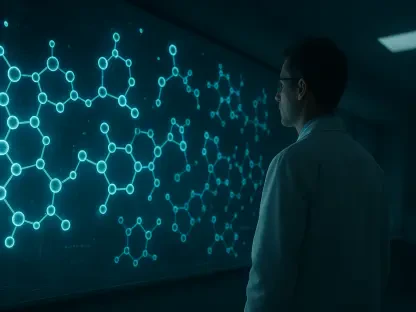

Computational science and digital platforms are being leveraged to bridge the gap between active cancer treatment and the often-neglected survivorship phase. This shift represents a fundamental evolution in oncology, moving away from episodic, clinic-based interactions toward a more fluid and continuous model of care. As breast cancer remains one of the most prevalent diagnoses worldwide, the medical community is recognizing that surviving the initial treatment is only half the battle. The current environment demands integrated systems that monitor long-term outcomes and quality of life. By utilizing sophisticated data analytics and patient-facing applications, healthcare providers are now able to maintain a constant presence in a patient’s journey, offering support well beyond the final dose of chemotherapy. This transformation is not merely about convenience; it is about establishing a responsive ecosystem that adapts to the individual needs of patients while ensuring that clinical oversight remains consistent during the transition to life after cancer.
Technological Frontiers: Advanced Tools for Diagnosis and Treatment
Artificial Intelligence and machine learning are revolutionizing the earliest stages of the care continuum by enhancing the accuracy of screening and risk prediction. These advanced algorithms are currently being trained on massive, diverse datasets to identify subtle mammographic features that might elude even the most experienced radiologists. By detecting architectural distortions and micro-calcifications at an earlier stage, these tools are significantly improving the success rates of less invasive treatments. Beyond simple detection, AI models are now being used to predict the likelihood of recurrence by analyzing genetic data alongside historical clinical outcomes. This precision allows for highly personalized screening schedules, where high-risk individuals receive more frequent monitoring while low-risk patients can avoid unnecessary procedures. This data-driven approach minimizes the psychological burden of false positives and ensures that resources are allocated where they are most needed.
In the realm of active treatment, mobile health applications are serving as a critical lifeline between patients and their oncology teams. These platforms enable real-time tracking of treatment side effects, such as chemotherapy-induced nausea or fatigue, allowing patients to report symptoms as they manifest rather than waiting for their next scheduled appointment. This immediate data flow empowers clinical staff to intervene earlier, adjusting dosages or prescribing supportive medications before a minor complication escalates into a medical emergency. Furthermore, these apps provide patients with tailored educational resources and self-management strategies, fostering a sense of agency during a time when many feel powerless. By digitizing the patient-reported outcome process, hospitals are seeing a notable decrease in emergency department visits and an overall improvement in the adherence to treatment protocols. This systematic integration of patient data ensures that the clinical team has a comprehensive view of the patient’s health status.
Remote Care Dynamics: Redefining the Clinical Experience Through Teleoncology
Teleoncology has transcended its initial role as a crisis-response tool to become a sophisticated, permanent component of the modern breast cancer treatment landscape. The focus has moved toward a hybrid model of care, which intelligently combines essential in-person physical examinations with the flexibility of virtual consultations. This approach is particularly beneficial for those living in rural or underserved areas, as it reduces the financial and physical burden of traveling to major cancer centers for routine follow-ups. Virtual platforms are now being designed with high-definition video and secure messaging capabilities that facilitate deep, meaningful discussions between clinicians and patients. These digital interactions are often more focused and can include family members who might otherwise be unable to attend in-person visits. By streamlining the administrative aspects of care and maximizing the efficiency of clinical time, teleoncology ensures that the patient remains the center of focus.
The integration of wearable technology is further enhancing the precision of remote monitoring by providing continuous, objective physiological data. Devices such as smart rings, medical-grade patches, and advanced watches are being used to track vital signs, sleep patterns, and physical activity levels in real-time. This information provides a far more accurate representation of a patient’s functional status than the subjective reports often gathered during brief clinical encounters. For patients recovering from surgery or managing the cumulative effects of radiation, these sensors can detect early signs of infection or cardiovascular strain. Clinicians can set automated alerts for specific biometric thresholds, allowing for proactive outreach when a patient’s data deviates from their baseline. This shift from reactive to proactive care not only improves safety but also helps in gathering long-term data on the physical impact of various therapeutic regimens. Hard data drives a nuanced understanding of recovery.
Equity and Education: Supporting All Patients in the Digital Age
Digital innovation is also making significant strides in the areas of clinical training and psychosocial patient support. Virtual reality is currently being utilized to create immersive, risk-free simulations where surgeons can practice complex reconstructive procedures specific to breast cancer care. This high-fidelity training ensures that medical professionals can refine their techniques and decision-making skills before entering the operating room. On the patient side, digital platforms are addressing the mental health challenges that frequently accompany a cancer diagnosis. Innovative applications are providing cognitive behavioral therapy and mindfulness training specifically tailored to manage cancer-related anxiety and post-treatment distress. These tools are designed to be accessible at any time, providing immediate support when patients experience emotional peaks or sleep disturbances. By addressing the psychological toll alongside physical symptoms, digital health is fostering a holistic approach.
Addressing the digital divide remains a paramount concern for healthcare providers seeking to ensure that technological advancements do not exacerbate existing health disparities. Current strategies are focusing on creating equitable access through community-based interventions and the use of offline digital solutions. This includes the deployment of mobile health units equipped with satellite connectivity and the training of community health workers to bridge the gap for those with limited technical literacy. Programs are being developed to provide low-cost hardware and data plans to patients in underserved populations, ensuring that socioeconomic status is not a barrier to receiving high-quality remote care. By prioritizing inclusive design, developers are creating intuitive interfaces that are accessible to individuals regardless of their language proficiency. The objective is to create an environment where every patient can benefit from the innovations that are currently transforming breast cancer screening.
Collaborative Research: Strategic Integration of the Patient Experience
A defining characteristic of the current shift in oncology is the formal recognition of the patient voice within the scientific and clinical discourse. Medical journals and research institutions are increasingly creating dedicated spaces for patients, previvors, and long-term survivors to share their personal narratives and lived experiences. These insights are invaluable for understanding the real-world usability of digital health tools and identifying gaps in existing clinical workflows. By analyzing the feedback from those who use these platforms daily, developers can refine the user experience to be more empathetic and less burdensome. This participatory approach ensures that the technology remains a supportive tool rather than another source of stress for the patient. Furthermore, the inclusion of patient-led research helps to highlight issues that might be overlooked by clinicians, such as the specific psychosocial needs of younger survivors. This collaborative model is essential for creating truly patient-centric care.
The successful transformation of breast cancer care relied on a strategic commitment to merging high-tech computational tools with a deeply human-centered approach. Stakeholders recognized that while AI and teleoncology were powerful, their true value was realized only when they were made accessible and responsive to the diverse needs of the patient population. Moving forward, the focus should remain on the rigorous validation of digital tools to ensure they continue to deliver measurable improvements in health outcomes. Healthcare organizations must prioritize the integration of these platforms into standard clinical workflows, ensuring that digital health is viewed as a fundamental component of care rather than an optional add-on. Investing in digital literacy for both patients and providers will be a critical next step in maintaining the momentum of these innovations. By fostering a culture of continuous learning, the community established a path toward an equitable and effective future.