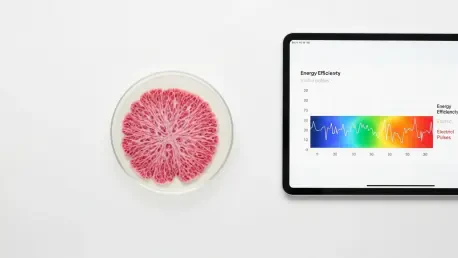

Scientists have spent decades trying to replicate the intricate rhythm of a human heart in a petri dish, yet these lab-grown cells often struggle to progress beyond the biological equivalent of a newborn infant. This limitation has historically crippled the potential of regenerative medicine, as immature cells cannot accurately reflect the behavior of adult tissue in clinical settings. However, a collaborative effort led by the University of Toronto has introduced a transformative approach that pushes these cells toward a more functional, adult-like state. By refining the chemical environment of cultivation, researchers are finally closing the gap between laboratory models and the physiological reality of the human body.
The objective of this exploration is to understand how new computational and biological techniques are overcoming the “maturation gap” in cardiac research. Readers can expect to learn about the specific innovations that allow stem-cell-derived heart tissue to mimic adult organ function. This article covers the development of specialized nutrient mediums, the role of machine learning in biological discovery, and the implications for drug safety and regenerative surgery.
Key Questions: Exploring the Future of Cardiac Science
Why Has the Maturation Gap Been Such a Persistent Obstacle in Cardiac Research?
The central challenge in stem cell biology involves the “maturation gap,” a state where engineered cells possess the correct identity but lack the sophisticated functionality of mature tissue. While researchers can reliably turn stem cells into cardiac cells, these units typically exhibit the disorganized structure and weak contractions of a fetal heart. This discrepancy makes them unreliable for testing how a fully developed adult organ would react to external stressors or surgical interventions.
Moreover, the heart maturation process is a symphony of biological cues that includes precise ratios of hormones, nutrients, and electrical signals. Replicating this complexity in a lab environment previously relied on a slow and often unsuccessful process of testing individual growth factors one by one. Without a holistic understanding of how these variables interact, engineered tissues remained trapped in a developmental limbo, unable to provide the high-fidelity data required for advanced medical research.
How Did the Researchers Use Computational Algorithms to Solve This Biological Puzzle?
Instead of relying on traditional trial and error, the research team turned to a computational algorithm to navigate the astronomical number of potential nutrient combinations. This data-driven strategy allowed the scientists to bypass the limitations of human intuition by screening 169 different formulations over multiple iterations. By focusing on how efficiently the cells managed energy—a definitive marker of mature heart muscle—the algorithm identified a specific cocktail of hormones and nutrients known as C16.
The resulting C16 medium proved to be a catalyst for significant biological transformation. Cells grown in this environment demonstrated enhanced physical organization and electrical activity that mirrored the performance of a mature human heart. This move toward computational biology signifies a departure from the artisanal methods of the past, offering a scalable and precise way to engineer high-performance human tissue.
What Role Does the C16 Formulation Play in Enhancing Drug Safety and Pharmaceutical Testing?
The pharmaceutical industry faces a recurring nightmare in the form of cardiotoxicity, where promising new drugs fail during human trials because they cause unexpected heart damage. Traditional animal models frequently fail to predict these adverse reactions due to fundamental differences in physiology between species. By implementing the C16-matured cells into the testing pipeline, companies can now observe how a drug interacts with heart tissue that actually behaves like an adult’s, reducing the risk of clinical failure.
This shift toward more accurate human-based models has the potential to dramatically lower the costs and timelines associated with bringing new therapies to market. When lab-grown tissues provide a reliable preview of human reactions, the path from discovery to pharmacy becomes much more efficient. This advancement ensures that safer medications reach patients faster while minimizing the ethical concerns surrounding extensive animal testing.
Can These Mature Lab-Grown Cells Be Integrated Into Three-Dimensional Tissue Engineering?
Beyond individual cells, the application of the C16 medium to three-dimensional “organ-on-a-chip” models represents a major leap in bioengineering. These 3D structures attempt to mimic the physical architecture of a living organ, providing a more realistic environment than flat laboratory dishes. When treated with the optimized nutrient cocktail, these miniature heart tissues showed a marked increase in contractile force and structural alignment, behaving much more like a living pump.
The success of this integration offers a “goldilocks” solution for researchers who require sophisticated tissue models without the prohibitive complexity of earlier bioengineering attempts. It provides a platform that is both high-performing and accessible for standard laboratory use. This accessibility is vital for the widespread adoption of advanced cardiac models across both academic research and the private biotechnology sector.
Summary: A New Era of Data-Driven Biology
The breakthrough in cardiac cell maturation provides a robust framework for the future of cardiovascular science. By licensing the C16 medium as MyoMax, the researchers ensure that laboratories worldwide have access to the tools necessary for producing high-quality adult heart cells. This commercialization, alongside the founding of start-ups like boutIQ Solutions, reinforces the transition toward machine learning as a standard component of biological optimization. The ability to grow mature heart tissue at scale changes the landscape of drug development and disease modeling.
Modern researchers now possess the ability to bypass traditional biological constraints through the marriage of computer science and cellular biology. This progress enables the creation of highly specialized environments that guide stem cells through their natural developmental stages in an accelerated and controlled manner. As these technologies become more integrated into the pharmaceutical pipeline, the accuracy of medical research continues to improve.
Conclusion: Final Thoughts on Regenerative Medicine
The research team established a foundation that moved beyond simple observation toward active heart repair. They envisioned a future where these matured cells replaced scarred tissue after heart attacks, offering a direct path to regenerative surgery. By leveraging machine learning to refine biological processes, the study bridged the gap between laboratory theory and clinical application. This progress encouraged a broader consideration of how personalized, lab-grown tissues might eventually transform the standard of care for patients with chronic heart conditions.
In the coming years, the focus will likely shift toward the clinical implementation of these matured tissues. Healthcare providers and researchers should monitor the progress of 3D-printed heart patches and their integration into human patients. As the precision of these models increases, the opportunity to develop patient-specific treatments becomes more tangible, potentially leading to a paradigm shift in how cardiac diseases are managed and cured.