
In the intricate world of pediatric neurology, the sudden onset of life-threatening seizures in a previously healthy infant remains one of the most harrowing experiences for families and clinicians alike. Dravet syndrome, a severe form of epilepsy that typically surfaces during the first twelve months of life, has traditionally been a diagnosis fraught with uncertainty and trial-and-error treatments. However, the medical community is currently witnessing a transformative shift as large-scale genomic research clarifies the complex architecture behind these neurological events. A significant study involving over 1,200 patients has recently illuminated the reality that while the SCN1A gene is the primary culprit, it is not the only genetic driver at play. This discovery forces a re-evaluation of how pediatricians approach seizure disorders, moving from a symptom-based observation to a molecular-first strategy. By pinpointing the exact genetic mutation, healthcare providers can now navigate a landscape that was once a diagnostic mystery, ensuring that every therapeutic intervention is backed by precise biological data rather than just clinical suspicion.
Clinical Profiles and Diagnostic Innovation
The Manifestations of SCN1A-Related Epilepsy
For children carrying the classic SCN1A mutation, the clinical journey often begins with a terrifying episode triggered by something as seemingly benign as a mild fever or a warm bath. These initial seizures are frequently prolonged and may affect one side of the body or the entire frame, marking the start of a condition characterized by high sensitivity to temperature fluctuations. As the child progresses through early infancy, the frequency of these episodes tends to increase, often manifesting as status epilepticus, a state of continuous seizure activity that requires immediate emergency intervention. Unlike many other forms of childhood epilepsy, the seizures associated with SCN1A mutations are notoriously resistant to standard treatments, often persisting despite the administration of multiple traditional medications. This early clinical window is critical, as the recurring electrical storms in the brain begin to disrupt the normal pathways of development, setting the stage for long-term challenges that extend far beyond the seizures themselves.
The impact of SCN1A mutations reaches deep into the developmental trajectory of the child, creating a complex web of comorbidities that demand a multidisciplinary management approach. As the seizures continue, many patients begin to show signs of motor impairment, characterized by an unsteady gait, poor balance, and abnormal posture that can significantly limit physical activity. Furthermore, there is a strong correlation between these genetic variants and the emergence of neurodevelopmental conditions, including features consistent with autism spectrum disorder and significant speech delays. Photosensitivity, where seizures are triggered by flickering lights or high-contrast patterns, adds another layer of complexity to daily life, necessitating environmental modifications to keep the child safe. Because the SCN1A gene is responsible for creating the sodium channels that allow inhibitory neurons to function, its failure leads to a brain that is essentially unable to turn off its own excitement, resulting in the diverse range of neurological symptoms observed in these young patients.
Advancements in Sequencing Technology
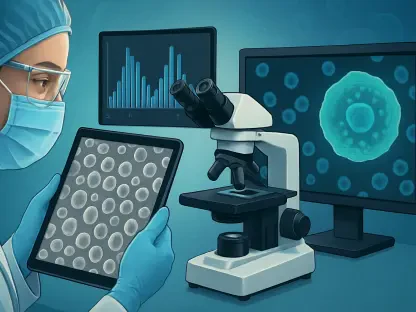
The rapid evolution of next-generation sequencing has provided clinicians with a powerful tool to look deeper into the genetic fabric of epilepsy than ever before. This high-throughput technology allows for the simultaneous analysis of hundreds of genes, offering a level of precision that was historically impossible with older, single-gene testing methods. In the context of Dravet-like symptoms, this technological leap is vital because it can detect mutations in 5.3% of patients that traditional panels would typically miss. By identifying variants in genes such as PCD#9 or GABRA1 early in the diagnostic process, NGS helps doctors differentiate between classic Dravet syndrome and look-alike conditions that may require vastly different clinical paths. This capability effectively shortens the diagnostic odyssey for families, providing a definitive answer during the critical early months of a child’s life when brain plasticity is at its highest and the potential for successful intervention is greatest.
Furthermore, the role of genetic technology is increasingly being viewed as a dynamic process rather than a single point in time. Medical experts now emphasize that an initially inconclusive genetic report should not be considered a final answer; instead, it serves as a baseline for future reanalysis. As genomic databases expand and our understanding of variant significance grows, re-evaluating older data can often uncover pathogenic mutations that were previously categorized as variants of uncertain significance. This practice of periodic reanalysis is becoming a cornerstone of modern pediatric neurology, ensuring that as science advances, patients benefit from the most current knowledge available. By maintaining an ongoing relationship with genetic data, clinicians can update treatment plans in real time, moving away from a static diagnosis and toward a living management strategy that evolves alongside the latest breakthroughs in genomic medicine and molecular biology.
The Impact of Precision Medicine
Avoiding Dangerous Medication Errors
The most urgent argument for comprehensive genetic testing lies in the prevention of iatrogenic harm, where a standard treatment for epilepsy can actually exacerbate a patient’s condition. In classic cases of Dravet syndrome caused by SCN1A mutations, the use of sodium channel blockers such as oxcarbazepine, lamotrigine, or lacosamide is known to be dangerously counterproductive. Because these patients already suffer from a loss of function in the sodium channels of their inhibitory neurons, adding a blocker further reduces the brain’s ability to dampen electrical activity, leading to an increase in seizure frequency and severity. Without a clear genetic confirmation, a physician might naturally attempt to treat a difficult seizure disorder with these common medications, unknowingly putting the infant at risk for more frequent status epilepticus episodes. This specific pharmaceutical paradox highlights the necessity of “knowing the gene” before prescribing, as the biological mechanism of the drug must align with the molecular reality of the patient.
The consequences of misdiagnosis extend beyond immediate seizure control, often impacting the long-term cognitive and physical health of the child. When a patient is placed on an inappropriate medication regimen, the resulting increase in seizure activity can lead to additional brain injury and further developmental regression. Every unnecessary episode of status epilepticus carries the risk of respiratory failure or neurological damage, making the avoidance of contraindicated drugs a matter of life-saving importance. Genetic testing provides the necessary guardrails for this process, allowing clinicians to bypass the standard “trial-and-error” protocol that defines much of traditional epilepsy care. By identifying the SCN1A mutation early, the medical team can immediately focus on safer alternatives like valproate or stiripentol, which do not interfere with the already compromised sodium channels. This proactive approach ensures that the therapeutic environment is optimized for stability from the very beginning, significantly reducing the cumulative burden of the disease.
Targeted Treatments for Genetic Variants
While the avoidance of certain drugs is critical for SCN1A patients, identifying “Dravet-like” mutations can reveal unique opportunities for highly effective, targeted therapies. For instance, the discovery of an ALDH7A1 mutation completely changes the treatment landscape, as this specific condition is often remarkably responsive to high doses of Vitamin B6. In these cases, a simple supplement can provide better seizure control than a complex cocktail of anti-epileptic drugs, showcasing the power of precision medicine to simplify and improve care. Similarly, a patient with an SCN2A mutation might present with symptoms identical to Dravet syndrome, but their specific mutation could represent a “gain of function” in sodium channels. For these individuals, the very sodium channel blockers that are prohibited in SCN1A cases become the treatment of choice, demonstrating how two patients with similar seizures can require polar opposite pharmaceutical strategies based on their genetic blueprints.
The diversity of the genetic landscape in epilepsy means that a single clinical presentation can hide a multitude of different biological drivers, each with its own therapeutic requirements. Mutations in GABA receptor genes, for example, often necessitate medications that specifically enhance inhibitory signaling to stabilize the brain’s electrical environment. By obtaining a detailed genetic “fingerprint” of the patient, clinicians can move beyond the general category of “epilepsy” and treat the specific molecular defect at the heart of the disorder. This shift toward targeted treatments not only improves the chances of achieving seizure freedom but also reduces the side effects associated with high-dose, non-specific medications. As more genetic variants are identified and linked to specific drug responses, the ability to tailor therapy to the individual patient becomes the new gold standard, ensuring that the most effective and least toxic options are utilized first rather than as a last resort.
Establishing a New Standard of Care
The integration of advanced genetic insights with traditional diagnostic tools like electroencephalograms and magnetic resonance imaging is creating a more holistic and robust standard of care. While an MRI may appear normal in the early stages of Dravet syndrome, it remains an essential component for monitoring the long-term effects of prolonged seizures on brain structure. Combining these imaging results with the high-resolution data from genetic testing allows clinicians to build a comprehensive profile of the patient’s health and risk factors. This multimodal approach ensures that no piece of the diagnostic puzzle is ignored, providing a clearer picture of why certain symptoms are occurring and how they are likely to progress. By establishing this rigorous framework as the baseline for all pediatric seizure cases, the medical community can ensure a higher level of consistency and quality in care, regardless of where a patient is first evaluated.
Looking toward the future of pediatric neurology, the goal is to create a seamless pathway from initial seizure to long-term management and community support. A definitive genetic diagnosis does more than just inform medication choices; it connects families to specialized networks, research trials, and support groups tailored to their specific genetic profile. These resources are invaluable for navigating the educational and social challenges that often accompany severe epilepsy, providing a roadmap for the various developmental interventions a child may need. As the field moves away from a fragmented approach to a unified, genetics-first model, the focus shifts from merely stopping seizures to optimizing the overall quality of life for both the patient and their family. This comprehensive care model represents the pinnacle of modern medicine, where technology, clinical expertise, and patient support converge to create the best possible outcomes for children living with complex neurological conditions.
The medical community successfully established a new paradigm in the management of Dravet syndrome by prioritizing genetic clarity over symptomatic treatment. Researchers and clinicians worked together to demonstrate that identifying the specific molecular driver—whether it was SCN1A or a Dravet-like variant—was the most effective way to prevent the administration of harmful medications. This shift allowed families to receive accurate prognostic information and tailored therapeutic plans much earlier in the disease progression than was previously possible. By integrating next-generation sequencing into standard diagnostic protocols, the industry effectively reduced the incidence of preventable complications and improved long-term developmental outlooks. These advancements provided a clear pathway for future research into gene-specific therapies, ensuring that the lessons learned from recent large-scale studies were applied to everyday clinical practice. Ultimately, the move toward precision medicine transformed a once-unpredictable disorder into a manageable condition with a structured and science-driven roadmap for care.