

The persistent challenge of treating non-small cell lung cancer lies not in the absence of potent therapeutic agents but in the inherent difficulty of delivering these treatments exclusively to malignant cells while preserving the integrity of surrounding healthy pulmonary tissue. Modern oncology

While generic drugs have reliably stabilized medical budgets for decades, the rapid pivot to highly complex biologic therapies has triggered a massive affordability crisis that now threatens to bankrupt even the most resilient modern healthcare systems. Biologic therapies represent only about 5% of

The sudden announcement from ICON plc regarding a massive restatement of financial results for the 2023 and 2024 fiscal years has sent profound shockwaves through the global clinical research community, forcing a critical re-evaluation of how financial integrity influences day-to-day operations at

The recent administrative push to revitalize the federal Independent Dispute Resolution system represents a massive effort to salvage a process that nearly collapsed under its own weight after years of bureaucratic friction. Led by the Departments of Health and Human Services, Labor, and the
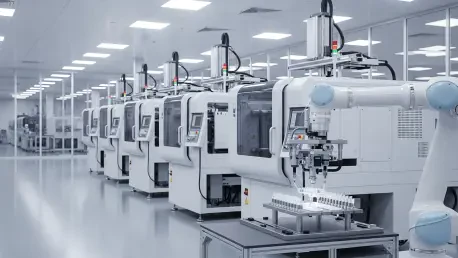
The global healthcare sector is currently witnessing a paradigm shift where the ability to deliver surgical-grade components with microscopic accuracy has become the ultimate differentiator for original equipment manufacturers. THY Precision is positioning itself at the very center of this

The recent surge in transformative biotechnologies has brought the medical community to a pivotal moment where curing previously terminal conditions is no longer a distant aspiration but a practical reality for many patients. However, the path from a successful laboratory breakthrough to a