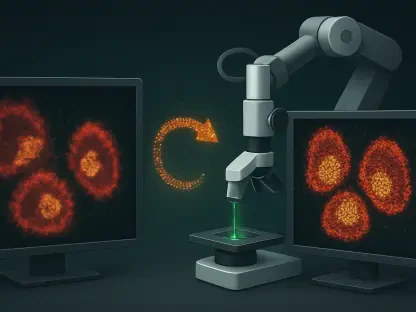

The precision required for nanoscale synthesis necessitates expensive specialized infrastructure, which currently acts as a significant bottleneck for the widespread adoption of these therapies. This challenge, however, has not slowed the momentum of a field that has transitioned from theoretical physics to a cornerstone of modern biotechnology. Nanomedicine involves the application of materials at the nanoscale—typically between 1 and 100 nanometers—to diagnose, treat, and monitor complex biological conditions. At this scale, the physical and chemical properties of substances change significantly, allowing for high-precision targeting that traditional medicines cannot achieve. By manipulating matter at the molecular level, scientists are creating delivery systems that can bypass natural biological barriers, such as the blood-brain barrier, which have long hindered the treatment of neurological disorders. This shift is not merely academic; it is a major commercial engine driving the next generation of pharmaceuticals. As of 2026, the integration of these tiny technologies is no longer a niche endeavor but a fundamental requirement for the development of advanced therapies, including genetic medicines and personalized oncology treatments. The following analysis explores how these developments are redefining the global health landscape, the economic drivers behind this growth, and the regulatory hurdles that remain in a rapidly evolving healthcare market.
Economic Expansion and Market Drivers
Projecting the Global Market Value: An Analysis of the Sustained and Significant Upward Trajectory within the International Economy
Financial data indicate that the nanomedicine market is on a trajectory of massive growth, with its valuation expected to jump from approximately USD 263.68 billion in 2025 to over USD 695.42 billion by 2033. This represents a compound annual growth rate of 12.83% over the forecast period. This surge is largely driven by substantial capital injections from pharmaceutical giants and the rising global demand for precise treatments for chronic conditions like cancer and neurological disorders. As healthcare systems worldwide transition toward value-based care, the demand for therapies that offer higher efficacy with fewer side effects has made nanotechnology an attractive investment for both public and private entities. The increasing prevalence of aging populations also contributes to this demand, as age-related diseases require the sophisticated delivery mechanisms that only nanoscale engineering can provide.
Furthermore, the expansion of the market is fueled by the integration of artificial intelligence and machine learning in the design of nanomaterials. These tools allow researchers to predict how nanoparticles will interact with human cells, drastically reducing the time and cost associated with early-stage development. This technological synergy has attracted a new wave of venture capital focused on high-tech health solutions. As of 2026, the convergence of biotechnology and materials science has created a robust ecosystem where investors prioritize platforms that can deliver multiple types of therapeutic cargo. This financial stability ensures that even as manufacturing costs remain high, the long-term potential for market dominance encourages continued financial commitment from major industry players.
Strategic Reformulation: Asset Optimization and Capital Investment
A significant portion of this economic expansion comes from the strategic reformulation of existing drugs. By applying nanotechnology to already approved substances, manufacturers can improve patient outcomes and extend patent protection without the extreme risks of discovering new chemical entities. This process, often referred to as “nano-enabling,” allows companies to take hydrophobic or poorly soluble drugs and transform them into highly bioavailable treatments. For many pharmaceutical firms, this is a cost-effective way to revitalize a product portfolio, providing a second life to blockbuster drugs that would otherwise face generic competition. This trend is particularly evident in the field of oncology, where the reformulation of chemotherapy agents has led to versions that are significantly less toxic to healthy tissues while remaining lethal to malignant cells.
Additionally, the success of lipid nanoparticle technology in global vaccination efforts has served as a powerful “proof of concept,” attracting further investment into diverse therapeutic areas. This historic milestone proved that nanomedicine could be manufactured and distributed on a global scale, dispelling earlier doubts about the commercial viability of complex nanoscale formulations. Following this success, there has been a notable influx of investment into other RNA-based therapies and gene-editing platforms. Institutional investors now view nanotechnology not as a futuristic gamble but as a proven infrastructure for modern medicine. This shift in perception has led to more favorable funding terms for startups and a more aggressive acquisition strategy by larger firms looking to secure a foothold in the next generation of drug delivery systems.
Core Technologies and Delivery Systems
The Power: Lipid Nanoparticles and Genetic Payloads
The combination of lipid nanoparticles (LNPs) and messenger RNA (mRNA) technology stands as the most significant success in modern nanomedicine. LNPs act as protective carriers that prevent sensitive genetic material from being destroyed by enzymes in the bloodstream. Without these nanoscale envelopes, mRNA would be far too fragile to survive the journey to the cytoplasm of a target cell. This technology was crucial for the rapid development of recent global vaccines and is now being adapted for rare diseases, such as polyneuropathy and various metabolic disorders. The ability to customize the surface of these lipids allows for even greater specificity, enabling the functionalization of particles to home in on particular tissues or organs, such as the liver or the lungs, with remarkable accuracy.
Beyond basic delivery, LNPs are being engineered to enhance the endosomal escape of their cargo, ensuring that the therapeutic material is released efficiently once inside the cell. This is a critical factor in the potency of the treatment, as material trapped within cellular compartments is essentially wasted. Current research in 2026 focuses on developing next-generation lipids that are even more biodegradable and less likely to trigger inflammatory immune responses. These advancements are expanding the clinical utility of LNPs beyond one-time vaccinations and toward chronic therapies that require repeated dosing. By refining the chemical composition of these delivery vehicles, scientists are overcoming the initial hurdles of toxicity and immunogenicity, paving the way for a broader range of applications in regenerative medicine and infectious disease prevention.
The Next Generation of Oncology Research and Precision Targeting Techniques for Modern Medical Science
Beyond vaccines, the research frontier is now focused on the “next wave” of nanomedicine: targeted oncology, where scientists are investigating the use of LNPs to deliver CRISPR-Cas9 components for direct gene editing within tumors. By utilizing RNA interference and advanced immunotherapies, these technologies aim to reprogram the body’s own cellular machinery to fight malignant growths with a level of precision previously thought impossible. Traditional chemotherapy often acts like a blunt instrument, damaging both healthy and diseased cells. In contrast, nano-enabled therapies can be designed to release their payload only when they encounter specific triggers, such as the acidic environment of a tumor or a specific enzyme overexpressed by cancer cells. This “smart” delivery minimizes systemic exposure and allows for much higher local concentrations of the drug.
Furthermore, the development of theranostic nanoparticles—which combine diagnostic imaging agents with therapeutic drugs—is transforming how clinicians monitor treatment response. These dual-purpose particles allow doctors to visualize exactly where the medicine is accumulating in real time using standard imaging techniques like MRI or PET scans. This level of feedback enables a personalized approach to cancer care, where dosages can be adjusted based on the actual distribution of the drug within the patient’s body. As of 2026, several of these platforms are moving through advanced clinical trials, representing a shift toward an era where diagnosis and therapy are no longer separate events but a single, integrated process. This precision not only improves survival rates but also drastically enhances the quality of life for patients undergoing intensive cancer treatments.
Transitioning from Laboratory to Clinic
Comprehensive Characterization and Clinical Readiness: Effectively Bridging the Gap Between Research and Practice
Moving a breakthrough from a laboratory setting to a patient’s bedside is a rigorous, multi-stage journey that begins with thorough material characterization. Organizations like the Nanotechnology Characterization Laboratory play a vital role by testing hundreds of materials to provide standardized data. This evidence is required by regulators to ensure that a nanomaterial is safe, effective, and capable of being manufactured on a large scale. Characterization involves more than just measuring the size of a particle; it requires understanding its surface charge, purity, and how it interacts with blood proteins. Without this standardized data, moving a product into human trials is nearly impossible, as regulatory agencies require strict proof of reproducibility and stability before any clinical administration can occur.
The clinical readiness of nanomedicines also depends on their pharmacokinetic profile—how the body processes and eventually eliminates the foreign particles. Unlike traditional small molecules, nanoparticles can accumulate in the liver or spleen, potentially causing long-term side effects if they are not properly designed. Therefore, preclinical studies must be exceptionally thorough, often requiring advanced animal models or organ-on-a-chip technologies to simulate human responses accurately. As the industry moves forward in 2026, there is an increasing emphasis on creating “digital twins” of nanomaterials to simulate their behavior in a virtual environment before physical testing begins. This data-centric approach helps identify potential safety issues early, streamlining the path toward regulatory approval and ensuring that only the most promising candidates proceed to the expensive clinical trial phases.
Successfully Overcoming the Intricate Challenges of Manufacturing Complexity While Effectively Scaling Production for the Masses
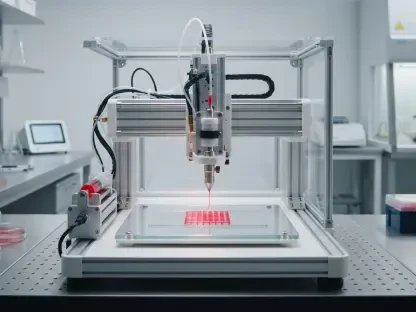
One of the steepest hurdles in this transition is maintaining consistency during production because nanomaterials are incredibly sensitive to their environment, and even tiny changes in temperature or pressure can alter a particle’s size or its ability to carry a drug. Because of this, the infrastructure required for production is far more complex and expensive than that used for traditional medications, requiring high-level quality control protocols. Small-scale lab success does not always translate to industrial-scale manufacturing, a phenomenon often called the “valley of death” in pharmaceutical development. Achieving a uniform batch of billions of nanoparticles requires sophisticated microfluidic systems and automated monitoring that can detect deviations in real-time, preventing the loss of costly raw materials.
Furthermore, the global supply chain for specialized lipids and stabilizing polymers remains a point of concern for manufacturers. To achieve widespread adoption, the industry must develop more robust and redundant supply lines for these critical components. In response, many companies are moving toward decentralized manufacturing models, where small, modular production units can be deployed closer to the point of care. This approach not only reduces the risks associated with transporting sensitive nanomedicines but also allows for the production of personalized batches tailored to an individual patient’s needs. As of 2026, the shift toward these “factory-in-a-box” concepts is gaining traction, promising to make high-tech nanotherapies more accessible to healthcare systems in both developed and emerging markets.
Navigating the Global Regulatory Landscape
United States and European Frameworks: Divergent Approaches
The regulatory environment for nanomedicine remains fragmented, with different regions applying varying sets of rules for approval. In the U.S., the FDA uses a case-by-case approach through nonbinding guidance, allowing for flexibility as the science matures. This means the agency does not have a single, rigid definition of what constitutes a “nanomedicine,” but instead evaluates each product based on its unique risks and benefits. This approach is beneficial for innovation, as it allows for the introduction of novel materials that might not fit into traditional categories. However, it can also create uncertainty for developers who must engage in extensive consultations with the agency to determine the specific data requirements for their particular product.
Conversely, the European Union manages these products through existing pharmaceutical and medical device frameworks, often relying on specific “reflection papers” to guide developers through the approval process. A unique challenge in the EU is the classification of products that sit on the boundary between a drug and a medical device. For example, some nanoparticles that act physically rather than metabolically might be classified differently in Europe than in other regions. The EMA has worked to harmonize these definitions, but the process remains complex for international companies seeking to launch products in multiple markets simultaneously. Despite these differences, both regions are increasingly collaborating through international forums to share safety data and develop common standards for the characterization of nanomaterials.
Regulatory Roads in Asia: China and Japan’s Leadership
China and Japan have established their own structured pathways to handle the unique nature of nanomedicines, positioning themselves as leaders in the global market. The Chinese National Medical Products Administration (NMPA) recently issued specific technical guidelines focusing on the pharmacokinetic properties and safety evaluations of nanodrugs. These guidelines provide much-needed clarity for the country’s booming biotech sector, which has seen a massive increase in the number of domestic nanomedicine filings. By providing a clear roadmap, China is fostering a competitive environment where local firms can rapidly move from research to commercialization, particularly in the fields of traditional Chinese medicine reformulations and advanced oncological therapies.
Japan was an early leader in this field, providing specific guidance on liposomal drugs and siRNA carriers as early as 2016 to ensure pharmaceutical quality and nonclinical safety. The Pharmaceuticals and Medical Devices Agency (PMDA) in Japan is known for its rigorous yet predictable review process, which has made the country a preferred destination for first-in-human trials of novel delivery systems. Japanese regulators place a high emphasis on the “quality by design” principle, requiring manufacturers to demonstrate a deep understanding of their production processes. This proactive regulatory stance has not only ensured patient safety but has also encouraged major international firms to partner with Japanese researchers to leverage their expertise in materials science and high-precision manufacturing.
Financial Stability and Future Obstacles
Public Funding and Budget Dynamics: A Strategic Priority
In the United States, public funding serves as the primary engine for early-stage nanotechnology research through the National Nanotechnology Initiative. While executive budget proposals occasionally suggest cuts to agencies like the NIH, the actual funding provided by Congress often remains stable or even increases. This highlights the strategic importance the government places on medical innovation despite shifting political climates. Public grants are essential for exploring “high-risk, high-reward” projects that private companies might find too speculative. This includes research into nanoparticles for antibiotic-resistant bacteria and novel coatings for medical implants. These government-backed initiatives create a fertile ground for discovery, which then trickles down into the private sector through licensing agreements and university spin-offs.
Moreover, the resilience of public funding ensures that the core infrastructure for nanotechnology research remains available to the broader scientific community. Facilities funded by the government provide access to expensive electron microscopes and cleanrooms that many startups could not afford on their own. This democratization of high-end research tools is vital for maintaining a competitive edge in the global health market. As of 2026, there is a growing trend toward public-private partnerships, where government funding is matched by industry investment to tackle large-scale health challenges, such as the development of a universal influenza vaccine. These collaborative efforts are essential for bridging the gap between basic scientific discoveries and the large-scale clinical trials required for commercial success.
Identifying Industry Bottlenecks: Cost and Standardization Gaps
Despite high growth projections, several bottlenecks could slow the widespread adoption of nanomedicines across the global market. High manufacturing costs remain a primary concern, as the precision required for synthesis makes these therapies expensive to produce and purchase. Many healthcare systems, especially in lower-income regions, struggle to afford the high price tags associated with these advanced treatments. To address this, the industry must find ways to achieve economies of scale and develop less expensive raw materials without compromising on quality. Without a significant reduction in cost, the benefits of nanomedicine may remain limited to a small segment of the global population, exacerbating existing health disparities.
Additionally, the lack of global standardization in how materials are characterized leads to redundant testing and slower approval times. When a company seeks to launch a product in multiple countries, it often has to repeat expensive characterization studies to satisfy various local requirements. Furthermore, the bar for proving that a nanoformulation is significantly better than a traditional one remains very high. Payers and insurance companies are increasingly demanding “comparative effectiveness” data, meaning developers must prove that their expensive new nanotechnology offers a substantial improvement over existing, cheaper drugs. Overcoming these hurdles will require a concerted effort from scientists, regulators, and policymakers to create a more streamlined and cost-effective path from the lab to the patient.
Please find the answers to our most frequently asked questions regarding our comprehensive services and company policies below
1. What is the currently projected compound annual growth rate for the global nanomedicine industry over the next several years?
The industry is expected to grow at a compound annual growth rate (CAGR) of 12.83% between 2026 and 2033, driven by the increasing use of nanotechnology in diagnostics and the rising demand for targeted therapies from both public and private sectors. As the global population ages and the burden of chronic diseases increases, the need for the precision provided by nanoscale delivery systems becomes more acute. This sustained growth is also supported by the rapid maturation of manufacturing technologies, which are beginning to bring down the overall cost of production for complex formulations.
2. In what ways does the European Union oversee and regulate the application of nanotechnology within the medical field?
The European Union does not have a specific, standalone law for nanomedicines; instead, it utilizes existing frameworks for medicinal products and medical devices. The European Medicines Agency provides additional guidance through reflection papers that help companies navigate the development and quality assessment of these specialized products. This system allows the EU to adapt to new scientific findings without needing to rewrite entire legislative codes. However, it requires developers to be highly proactive in their communication with regulators to ensure that their products are classified correctly and that all necessary safety data is collected during the clinical trial process.
3. What are the primary medical applications and therapeutic uses of lipid nanoparticles in modern pharmaceutical drug delivery and vaccine development?
Lipid nanoparticles are primarily used as delivery vehicles for genetic material, such as mRNA or siRNA; they protect these sensitive molecules from degradation in the body and ensure they reach the correct cellular location to exert their effect. While best known for their use in mRNA vaccines, they are also used to treat rare genetic diseases and are being researched for cancer gene editing and regenerative therapies. Their versatility makes them a foundational tool in modern medicine, offering the potential to treat any disease that can be addressed by delivering genetic instructions or silencing specific genes within the body.
Practical Steps for Stakeholders and the Future Outlook
The evolution of nanomedicine into a dominant force in the global health market was supported by a unique combination of scientific breakthroughs and economic necessity. To maintain this momentum, stakeholders focused on three critical areas of development. First, manufacturers prioritized the adoption of continuous manufacturing and microfluidic technologies to stabilize production costs and ensure batch-to-batch consistency. Second, researchers deepened their focus on the long-term biocompatibility of novel nanomaterials, addressing regulatory concerns regarding accumulation and toxicity. Finally, international bodies worked toward a unified standard for material characterization, which simplified the global approval process and allowed for faster patient access to life-saving treatments.
Looking forward, the integration of nanomedicine with digital health tools provided a path toward truly personalized care. By 2026, the use of sensor-equipped nanoparticles allowed for the continuous monitoring of drug levels in the bloodstream, enabling real-time adjustments to therapy. This proactive approach shifted the healthcare industry away from reactive treatments toward a model of preventive and highly targeted intervention. As clinical evidence continued to mount, the transition from traditional pharmacology to nano-enabled medicine became an inevitable step in the modernization of global healthcare. Stakeholders who invested in the early stages of these technologies found themselves at the forefront of a medical revolution that prioritized precision over volume.