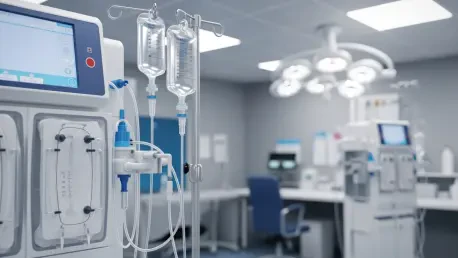

The biotechnology landscape in 2026 continues to grapple with the perceived necessity of high-classification cleanrooms for the collection of allogeneic starting materials, despite substantial evidence to the contrary. For years, the industry has operated under a pervasive assumption that the air quality surrounding a donor during apheresis must mirror the sterile environments found in downstream manufacturing suites. This misconception often leads to astronomical infrastructure costs and logistical bottlenecks that can delay the delivery of life-saving therapies to patients in need. However, a deep dive into the underlying science and global regulatory frameworks reveals that the rigid demand for an ISO-classified space during procurement is not a legal mandate but rather a result of cautious over-engineering. By shifting the focus away from expensive HEPA-filtered air and toward the integrity of the collection process itself, organizations can maintain the highest quality standards while optimizing their capital expenditures significantly.
Navigating the Regulatory Landscape
Regulatory Frameworks: Distinguishing Between GTP and GMP Standards
The primary source of confusion regarding collection environments is the conflation of Good Tissue Practice (GTP) and Good Manufacturing Practice (GMP) standards. In the United States, donor collection is primarily governed by 21 CFR Part 1271, which mandates the prevention of communicable disease transmission through suitable facilities and documented risk management. Unlike the stringent GMP standards required for cell manipulation, expansion, and finishing, GTP does not prescribe specific ISO air classifications for the rooms where cells are initially procured. This distinction is critical because it allows for greater flexibility in site selection and donor access. Regulatory bodies such as the FDA and accreditation groups like FACT or JACIE emphasize that the environment must be controlled and suitable to prevent mix-ups or contamination, yet they do not mandate the construction of a cleanroom. Compliance is achieved through facility suitability and robust quality management systems.
Industry Trends: Avoiding the Pitfalls of Regulatory Vocabulary Drift
This persistent “regulatory vocabulary drift” often leads companies to treat donor procurement as a subset of advanced manufacturing rather than a medical procedure. In reality, because the collection process does not alter the biological characteristics of the cells, it remains under a framework that values the protection of a closed system over the classification of the surrounding air. When organizations mistakenly apply GMP cleanroom requirements to the apheresis suite, they often find themselves burdened by unnecessary gowning protocols and air monitoring schedules that do not improve product safety. Professional guidance from organizations like the Association for the Advancement of Blood and Biotherapies (AABB) highlights that the focus should remain on donor health and product integrity. By maintaining a clear separation between procurement and processing, facilities can streamline their operations without compromising the safety or efficacy of the cellular material.
Engineering Out the Risk
Technical Solutions: Utilizing Closed and Functionally Closed Systems
The necessity of a cleanroom is almost entirely dependent on whether the cellular product is exposed to the ambient environment during the collection phase. Modern apheresis workflows almost exclusively utilize closed systems, which employ sterile, single-use kits and sterile docking devices to ensure the internal fluid path never contacts the outside air. When the system is closed, the external environment poses a negligible risk to the product, effectively bypassing the need for a classified room. These devices are designed with integrated filters and airtight connections that provide a physical barrier against microbial ingress. Therefore, the air quality of the room becomes a secondary concern compared to the integrity of the plastic disposables. Engineering controls within the apheresis machine itself act as a micro-cleanroom, isolating the donor’s cells from any potential environmental contaminants. This approach allows for collections in standard clinical settings.
Operational Validation: Managing Risks through Process Integration
Even in scenarios where a system is deemed “functionally closed,” meaning it may be opened briefly for sampling or reagent addition, validated processes provide the necessary safeguards. By using aseptic connection devices or laminar flow hoods within a non-classified room, technicians can maintain the sterile boundary of the collection kit. Validated cleaning protocols for the apheresis equipment and the surrounding surfaces further reduce the bioburden in the area. It is only in truly “open” systems, where the cellular product is directly exposed to room air, that the protection of a classified cleanroom becomes a scientific necessity. Most modern allogeneic workflows do not require such exposure, enabling a more pragmatic approach to facility design. By leaning on the engineering of the apheresis equipment itself, facilities can ensure product purity through functional controls rather than architectural ones, allowing for faster setup and lower costs.
Human Performance and Procedural Controls
Aseptic Discipline: Prioritizing Behavior Over Physical Barriers
A recurring theme in high-quality cell procurement is that behavior and process, rather than walls and filters, determine the safety of the starting material. Even a top-tier cleanroom cannot compensate for poor aseptic technique or inadequate staff training. A well-designed, non-classified donor room operated by disciplined professionals who follow strict protocols is fundamentally safer than a classified space where operator behavior is lax. Training programs should emphasize the importance of hand hygiene, proper use of personal protective equipment, and the careful handling of sterile components. When staff understand the “why” behind aseptic practices, they become the most effective barrier against contamination. The emphasis must shift from the physical environment to the proficiency of the personnel involved in the collection. Cultivating a culture of quality where every step is performed with precision ensures that the resulting starting material meets all necessary safety benchmarks.
Contamination Mitigation: Implementing Safety Protocols for Procurement
The most significant contamination risk during collection occurs at the venipuncture site when the skin is first breached by the needle. To mitigate this risk, facilities rely on validated skin disinfection protocols and initial specimen diversion, a technique where the first few milliliters of blood are sequestered. This sequestered volume often contains residual skin flora or tiny skin plugs that could contaminate the final product if not removed. These procedural interventions are far more effective at ensuring sterility than the number of air changes per hour in the room. Furthermore, the use of sterile covers and localized disinfection of ports provides an additional layer of security. By focusing resources on these high-risk touchpoints, procurement centers can achieve superior outcomes compared to those that rely solely on air filtration. Systematic adherence to these techniques remains the gold standard for preventing microbial ingress during the initial collection of cellular materials.
Practical Strategies for Facility Design
Industry Precedents: Leveraging Success from Blood Banking Models
The long-standing success of the blood banking industry provides the most compelling evidence that cleanrooms are unnecessary for cell collection. For decades, millions of blood components have been safely collected in non-classified environments, including mobile units and community centers, using the same principles of closed systems. This historical precedent proves that product identity and purity can be maintained through rigorous quality management systems rather than expensive infrastructure. Blood centers have consistently demonstrated that apheresis-derived products, such as platelets and plasma, can be collected with high degrees of sterility in standard clinical rooms. By adopting these proven methodologies, the cell therapy sector can leverage existing networks and expertise to expand donor pools and improve patient access. The transition toward non-classified collection sites is not a compromise on quality but an adoption of a mature, evidence-based model that has protected the blood supply for generations.
Strategic Implementation: Designing for Scalability and Efficiency
When designing a modern collection center, resources were directed toward intentional layouts that facilitated easy cleaning and minimized traffic flow. This strategic shift away from an architectural focus and toward a process-driven model allowed the industry to develop more scalable, efficient, and compliant pathways. Future considerations included the integration of real-time monitoring of procedural steps rather than environmental particulates. Decision-makers prioritized robust materials management, qualified supplier programs, and climate controls that ensured donor comfort and equipment reliability. These actions effectively reduced the cost of goods while maintaining the high purity required for allogeneic starting materials. Organizations that adopted these pragmatic facility designs successfully expanded their reach into decentralized healthcare settings. By focusing on actionable data and rigorous training, the biotechnology field overcame the limitations of traditional cleanroom thinking.