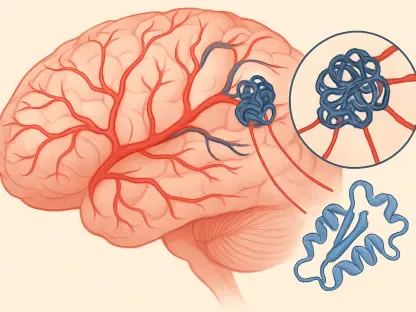
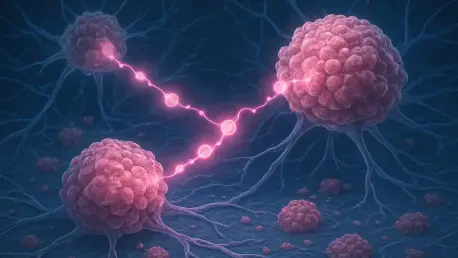
The most formidable barrier to treating aggressive brain cancer may not be the physical skull or the blood-brain barrier, but the cellular invisibility cloak that allows these tumors to ignore the body’s natural defenses. For decades, the primary strategy in oncology has been to train the immune

Ivan Kairatov is at the forefront of biopharmaceutical innovation, specializing in how next-generation therapies reshape the landscape of oncology. With a robust background in research and development, he has monitored the evolution of multiple myeloma treatments from traditional chemotherapies to
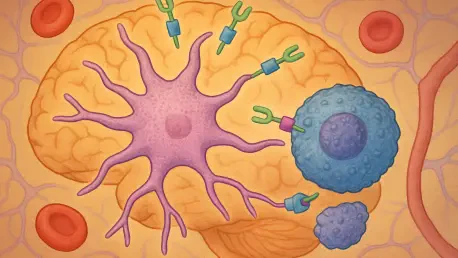
The human brain possesses an intricate waste-clearance system that, when functioning correctly, prevents the toxic buildup of proteins associated with cognitive decline. However, for millions of individuals, this biological janitorial service fails, leading to the relentless progression of

The pharmaceutical industry is currently witnessing a gold rush of unprecedented proportions as global giants race to claim dominance in the multi-billion-dollar obesity treatment sector. This week, the spotlight turned toward the highly anticipated Phase 2 results of petrelintide, a drug developed
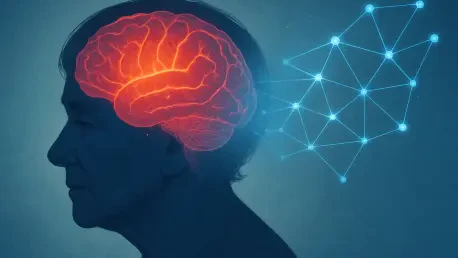
The long-standing quest to conquer Alzheimer’s disease has traditionally been a story of heavy-handed interventions and grueling side effects, but a new pharmacological approach is now turning the focus toward cellular stability and genetic precision. Instead of simply attempting to scrub the brain

The medical community is currently observing a fundamental transformation in the therapeutic application of Glucagon-like peptide-1 (GLP-1) receptor agonists, which were originally engineered for glycemic control. While these medications achieved global prominence for their effectiveness in weight