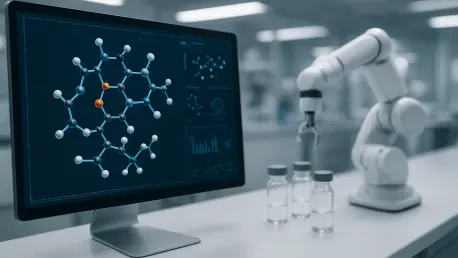
The technological ability to decode the complex molecular signatures of human aging and intervene with precision-engineered molecules has shifted from theoretical biology toward a measurable clinical reality. This evolution is driven by the sophisticated integration of generative artificial

The recent observation of motor skill improvement and reduced chronic fatigue in multiple sclerosis patients marks a potential turning point in immunotherapy research. For years, the scientific community focused on Chimeric Antigen Receptor T-cell therapy as a weapon against terminal blood cancers,

Recent setbacks in autoimmune trials have prompted a return to more established, well-validated manufacturing standards to ensure long-term patient stability. While the initial migration of Chimeric Antigen Receptor T-cell therapy from liquid tumors to refractory autoimmune diseases sparked immense

Regulatory bodies like the FDA will likely demand more detailed pharmacokinetic characterization of tissue distribution following the prolonged activity seen with Kylo-11. The cardiovascular research community is currently absorbing the profound implications of the Phase 1 clinical trial results

While complex genetic clusters were once thought to be the key to precision medicine, new analysis suggests that routine clinical data may be just as effective for drug selection. For decades, the management of Type 2 diabetes has relied on a rigid, standardized protocol where patients are moved
The interdisciplinary collaboration between biology and chemistry labs is essential for synthesizing new molecules capable of tagging cancer-essential proteins for destruction within the cell. This scientific synergy is particularly vital in the context of pediatric oncology, where the biological