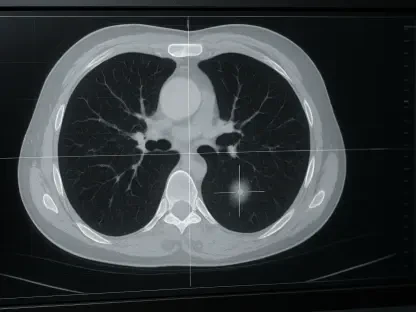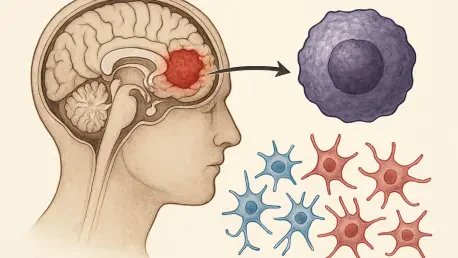

A groundbreaking study from Brazil has provided compelling evidence that a simple blood test could revolutionize the diagnosis and treatment of lung cancer, offering a much faster and less invasive alternative to traditional methods. Research centered at the national oncology reference center,

In the quiet intensity of an operating room, a surgeon's judgment is paramount, yet distinguishing the exact border between cancerous and healthy thyroid tissue has long remained a perilous blend of skill, experience, and educated guesswork. This critical moment, where a scalpel’s path is decided

The holy grail of oncology has always been to catch cancer when it is most treatable—at its earliest, most nascent stages. For years, this has been an incredible challenge, but we're now at a thrilling inflection point where artificial intelligence is meeting molecular biology to create solutions

Pancreatic cancer has long maintained a daunting reputation as one of the most aggressive and difficult-to-treat malignancies, a challenge largely defined by its resistance to standardized therapies and the limitations of conventional research models. For patients and clinicians alike, the path of

With a deep background in biopharma and a keen eye on the intersection of technology and medicine, Ivan Kairatov brings a critical perspective to the evolving landscape of nutritional science. We sat down with him to dissect a recent, comprehensive meta-analysis on the ketogenic diet's role in
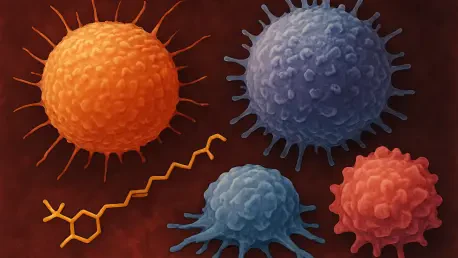
New research from Princeton University’s Ludwig Institute for Cancer Research has untangled the complex and often harmful relationship between a vitamin A derivative and the body's ability to fight cancer, resolving a long-standing paradox about vitamin A's role in oncology and introducing a