

Biovica International, known for its innovations in blood-based cancer monitoring, recently unveiled a strategic collaboration with a prominent US-based Tier-1 pharmaceutical company. This partnership reflects a mutual commitment to pioneering advancements in cancer treatment. The alliance
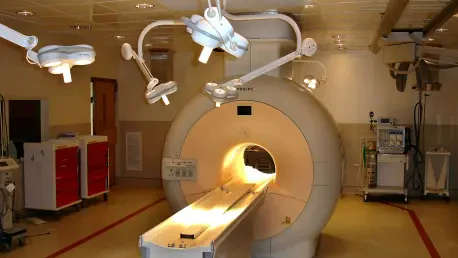
Recent developments have propelled the field of oncology drug development into a new era, primarily due to the integration of artificial intelligence. Startups like Pathos AI Inc. exemplify this shift by leveraging AI to streamline vital processes within oncology research. The company has
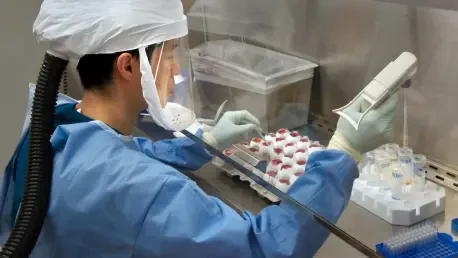
In the evolving landscape of clinical research, artificial intelligence (AI) has become an indispensable tool, yet the level of adoption and integration at clinical research sites remains inconsistent. AI's potential to enhance various aspects of clinical trials, from design to data management, has

The world of oncology has been tirelessly searching for effective treatments against ovarian cancer, famously known as the deadliest of gynecological malignancies. This disease, notorious for its subtle symptoms and challenging early detection, often becomes evident only in its advanced stages,

The medical world stands on the precipice of a groundbreaking shift, fueled by an unprecedented advancement in diagnostic tools that could revolutionize the treatment of autoimmune disorders. Conditions like rheumatoid arthritis have long presented significant challenges due to their complex nature

Stress urinary incontinence (SUI) is a widespread condition impacting millions of women, characterized by involuntary urine leakage during activities that increase abdominal pressure, such as coughing, laughing, or exercise. This condition poses significant challenges, diminishing quality of life