
The journey of a child who has successfully navigated the grueling path of cancer treatment does not conclude with the ringing of a ceremonial bell; rather, it marks the commencement of a complex, lifelong endeavor to maintain health within an environment that may inadvertently pose significant risks. While the field of pediatric oncology has achieved remarkable milestones in survival rates, the focus is increasingly shifting toward how external surroundings influence long-term outcomes and overall quality of life. This paradigm shift recognizes that the biological triumphs achieved in sterile clinical environments are often tested by the atmospheric and chemical realities of the neighborhoods to which these survivors return. Emerging research suggests that the world outside the hospital—filled with particulate matter, industrial chemicals, and various pollutants—acts as a persistent secondary stressor that can compromise the resilience of a young body already taxed by intensive medical interventions. By treating the environment as a critical variable in the recovery equation, medical professionals are beginning to address the nuanced reasons why health trajectories diverge among survivors who received identical clinical treatments. This approach emphasizes that survivorship is not merely a biological state but a continuous interaction between a survivor’s internal physiology and the external pressures of their daily living conditions.
Quantifying the Impact: Air Pollution and Chemical Toxins
Fine particulate matter, commonly referred to as PM2.5, represents one of the most pervasive environmental threats to pediatric cancer survivors due to its ability to bypass natural respiratory filters and enter the bloodstream. Recent clinical observations indicate that survivors residing in areas with high concentrations of these particles face a statistically significant decrease in their chances of long-term wellness, a trend that remains consistent regardless of a family’s socioeconomic status or insurance coverage. This suggests that the biological impact of poor air quality functions as a universal risk factor, exerting pressure on the cardiovascular and pulmonary systems of children whose organs may already be sensitized by previous therapies. The persistence of these health disparities across diverse demographic groups highlights the necessity of viewing clean air as a fundamental medical requirement for recovery. When the atmosphere is saturated with industrial or traffic-related pollutants, the body’s internal repair mechanisms are forced to divert energy from healing to managing constant external irritation, creating a cycle of physiological strain that can lead to chronic complications.
Beyond the visible threat of air pollution, the presence of invisible chemical toxins in the home and local environment further complicates the recovery process for young survivors. Data collected from regional health studies demonstrate a direct correlation between residential pesticide exposure and decreased survival rates, particularly among those treated for leukemia and other blood-related malignancies. These chemicals often act in synergy with other common hazards, such as secondhand tobacco smoke, to create a cumulative toxic load that the survivor’s compromised immune system struggles to process. For a population whose internal regulatory systems have been significantly altered by chemotherapy and radiation, even low-level exposure to household or agricultural chemicals can trigger adverse reactions that would not typically affect a healthy peer. This heightened sensitivity means that the environment serves as a constant determinant of health, where the presence of volatile organic compounds or heavy metals in the soil and water can undermine the efficacy of post-treatment care and increase the likelihood of recurring respiratory and systemic issues.
Biological Mechanisms: The Path to Accelerated Aging
A primary concern for the pediatric oncology community is the phenomenon of accelerated aging, a condition where survivors develop chronic health issues typically associated with much older populations. While modern treatments are effective at eradicating malignant cells, they often leave a legacy of cellular senescence and lingering inflammation that prematurely ages the body’s healthy tissues. This biological vulnerability manifests as heart disease, metabolic disorders, or endocrine dysfunction appearing decades before they would occur in the general population. The environment plays a decisive role in this process by acting as a catalyst for oxidative stress, which further degrades the integrity of DNA and cellular structures already weakened by prior medical interventions. Because survivors possess a lower biological reserve, their ability to buffer against environmental stressors is significantly diminished, leading to a faster progression of age-related diseases. This interaction suggests that the clinical success of a treatment is only the first step in a lifelong battle against a world that can accelerate the decay of a survivor’s physical foundation.
The synergy between past medical treatments and current environmental exposures creates a unique physiological profile that necessitates specialized monitoring and care. When a survivor is exposed to pollutants that drive systemic inflammation, the impact is magnified because their baseline level of inflammation is already elevated due to the effects of “first-hit” treatments like radiation. This state of chronic biological readiness means that even minor environmental triggers can push the body toward organ failure or the development of secondary malignancies. Furthermore, the disruption of hormonal balances caused by environmental endocrine disruptors can be particularly devastating for children whose endocrine systems were already impacted by brain or abdominal tumors. By understanding these biological links, researchers are developing a more comprehensive picture of how the environment acts as a modifier of health risks, transforming the concept of “remission” into a dynamic state that requires constant protection from external triggers. The goal is to develop interventions that can stabilize these biological processes and slow the rate of physiological decline through targeted environmental management.
Educational Integration: Closing the Clinical Literacy Gap
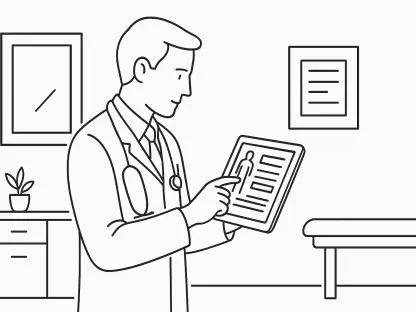
Despite the overwhelming evidence linking environmental health to survivorship outcomes, a notable literacy gap exists within the oncology workforce regarding how to discuss these risks with patients and their families. Surveys of medical professionals reveal that while doctors and nurses are experts in managing the immediate complexities of cancer, many feel inadequately prepared to provide specific guidance on avoiding environmental toxins. This lack of specialized training often leads to missed opportunities for preventative counseling, leaving families to navigate complex information on their own without clinical validation. While parents frequently express a desire to learn about the impact of air quality, water safety, and household products on their child’s future, they often encounter uncertainty when they bring these concerns to the clinic. This disconnect highlights an urgent need for the integration of environmental health science into standard oncology education and continuing professional development programs. By empowering providers with this knowledge, the healthcare system can ensure that every consultation includes a discussion of the external factors that could influence a child’s long-term health trajectory.
Focus groups involving the families of survivors reveal a high level of anxiety surrounding the potential for environmental factors to trigger a relapse or cause new health problems. Parents often report feeling overwhelmed by the conflicting information found online and express a strong preference for actionable, evidence-based advice from their trusted oncology teams. This anxiety is not merely a psychological burden but a motivator for change that remains largely untapped by the current medical infrastructure. When families are left without clear instructions on how to mitigate risks, they may experience a sense of helplessness that can negatively impact the overall family dynamic and the survivor’s psychological well-being. Addressing this gap requires a multifaceted approach that includes the development of standardized educational materials and the inclusion of environmental health specialists in the survivorship planning process. By providing families with the tools they need to create a safer home environment, medical teams can foster a sense of agency and partnership, transforming fear into a proactive strategy for long-term health management and stability.
Strategic Interventions: Implementing Specialized Referral Systems
To alleviate the pressure on primary oncology teams and ensure families receive the highest quality of care, experts are advocating for the implementation of specialized environmental health referral services. This model mimics other medical sub-specialties by allowing oncologists to connect their patients with pediatric toxicologists and environmental health nurses who possess deep expertise in identifying and mitigating specific exposures. These specialized clinics provide a space for in-depth consultations where families can discuss everything from local air quality reports to the safety of community water supplies. By formalizing these pathways, the medical community can ensure that survivors receive personalized, data-driven recommendations that are tailored to their specific geographic and biological needs. This infrastructure not only improves patient care but also allows for the systematic collection of data on environmental risks, which can then be used to inform broader public health initiatives and clinical research. The goal is to move beyond generic advice toward a precision health model that recognizes the unique environmental challenges faced by each individual survivor.
A successful clinical framework for environmental health must focus on empowering families through practical interventions that do not induce unnecessary guilt or financial strain. Healthcare teams are increasingly focusing on strategies that are within a family’s control, such as improving indoor air quality through the use of high-efficiency particulate air filters or choosing household products that are free from endocrine-disrupting chemicals. These recommendations are designed to be actionable and sustainable, providing a clear path forward for families who are eager to protect their children’s hard-won recovery. Educational programs often include guidance on how to advocate for better air filtration in schools or how to interpret local environmental data, giving parents a role in managing their child’s external surroundings. This proactive approach helps families regain a sense of control over their lives after the chaotic and often helpless experience of active cancer treatment. By focusing on what can be changed within the immediate home environment, medical professionals can help build a protective shield around the survivor, ensuring that the progress made in the hospital is sustained throughout their transition back into the community.
Systematic Evolution: Advocacy and Future Public Health Standards
The medical community recognized that survivorship required a fundamental transition toward proactive environmental management and systematic reform to ensure the longevity of pediatric patients. They implemented universal screening protocols for home hazards and established national databases to track the correlation between local emissions and the long-term health of pediatric survivors. This evolution successfully moved the focus from individual family responsibility to broad systemic change, ensuring that the burden of environmental protection did not fall solely on the shoulders of parents who were already managing the complexities of post-treatment life. Legislative efforts became increasingly focused on the creation of specialized health-safe zones around schools and residential areas where high concentrations of survivors resided, strictly limiting industrial activity and heavy traffic in those regions. These comprehensive initiatives reflected a profound shift in how society defined successful cancer treatment, measuring it not merely by the absence of disease at the point of discharge, but by the presence of a supportive, non-toxic environment that fostered sustained longevity and physical vitality.
By 2027 and moving toward 2028, these frameworks transformed from pilot programs into essential pillars of modern healthcare, providing a clear roadmap for other nations to follow in protecting their most vulnerable citizens. Pediatric oncology departments began collaborating directly with urban planners and environmental protection agencies to ensure that the infrastructure of cities supported the unique biological needs of the survivor population. This collaborative approach led to the widespread adoption of real-time air quality monitoring systems in clinical settings, allowing providers to issue health alerts to families during periods of high pollution. Medical schools also took the decisive step of revising their core curricula to include environmental toxicology as a fundamental component of pediatric training, ensuring that the next generation of doctors was fully equipped to address these challenges. The culmination of these efforts resulted in a significant reduction in chronic respiratory complications and secondary cancers, proving that a holistic approach to environmental health was a vital component of the cancer care continuum. These advancements established a new standard where the protection of a survivor’s environment was viewed as just as critical as the administration of life-saving medicine.