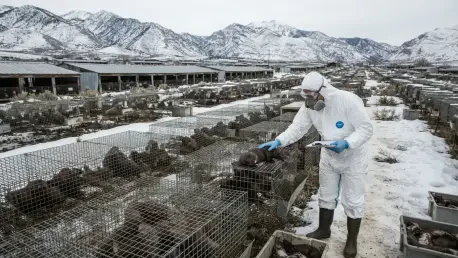

Virologists are particularly concerned about the role of mink as a biological mixing vessel where different influenza strains can swap genes and adapt to mammals. This concern has taken center stage in 2026 as Utah’s captive mink population faces a significant outbreak of the H5N1 bird flu, marking a critical juncture in the ongoing multi-state agricultural crisis. For the first time, genetic analysis has confirmed that the B3.13 strain, which has ravaged American dairy cattle since earlier this year, has successfully jumped into these high-density fur farms. The discovery signals an intensifying intersection between the poultry industry and the mammalian dairy sector, creating a biological environment where the virus can circulate and evolve with minimal interference. While federal agencies maintain that the immediate risk to the general public remains low, the persistence of the virus in such a crowded mammalian host presents a unique and volatile challenge for modern biosecurity protocols.
Genetic Evolution and the Mammalian Bridge
Analyzing Viral Mutations and Silent Spread
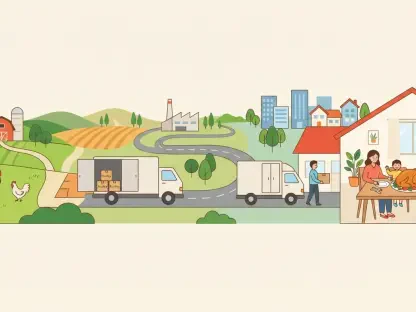
Preliminary reports released on October 22, 2026, by a coalition of international researchers have provided a startling look into the viral genomes extracted from Utah’s C&T Fenn Farms. Sequencing of ten distinct samples revealed that the virus is not a new introduction from wild birds but is firmly rooted in the dairy cattle cluster that first emerged in Texas. Genetic data shows a direct lineage between the Utah mink samples and H5N1 variants found in southern dairy herds as far back as May 2024. This significant gap in the timeline points toward a period of silent spread within the livestock movement pipeline, where the pathogen likely circulated undetected for months before being officially identified in August 2026. The ability of the virus to migrate across state lines and species highlights deep-seated vulnerabilities in the current monitoring of agricultural logistics, suggesting that surveillance may be lagging behind the actual reach of the contagion.
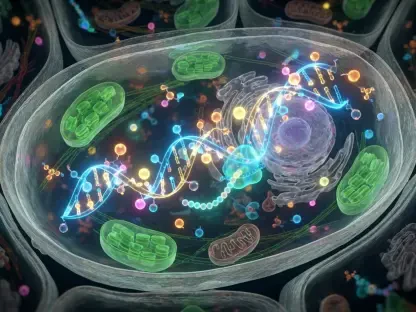
The analysis further identified the presence of the PB1-K388R mutation across all sequenced mink genomes, a finding that has historically signaled high-risk mammalian adaptation. This specific genetic marker was previously documented during the 2022 H5N1 outbreak on a Spanish mink farm, which at the time raised international alarms about the potential for human transmission. While researchers emphasize that these mutations do not guarantee a pandemic jump, their consistent appearance in mammalian hosts suggests the virus is successfully refining its replication mechanics. The addition of this marker to the existing PB2-M631L mutation—already present in the dairy cattle strain—creates a genetic profile that is increasingly optimized for mammals rather than birds. This evolution underscores the danger of allowing the virus to persist in high-density environments, as each successive replication cycle provides the pathogen with a fresh opportunity to overcome the remaining biological barriers.
Biological Mechanisms and Host Adaptation
Mink are unique in the world of respiratory virology because they possess both alpha 2-3 and alpha 2-6 sialic acid receptors, the cellular doorways used by avian and human influenza viruses respectively. This dual receptor profile makes them a highly efficient “bridge host,” capable of being infected by a wide variety of flu strains at once. When multiple viruses infect a single cell, they can undergo reassortment, a process where genetic segments are swapped to create entirely new hybrid pathogens. In the context of the 2026 Utah outbreak, the density of the animals on the farm effectively creates a biological pressure cooker. With thousands of hosts in close proximity, the virus can experiment with millions of genetic variations every day. Scientists are watching for any signs that the virus is developing a stronger affinity for the human-type receptors, which would drastically increase the risk of the pathogen becoming a transmissible threat to the wider human population.
The synergy between established cattle mutations and new adaptations found in the mink population has created what many experts describe as an “open window” for viral evolution. The PB2-M631L mutation, which was already widespread in the 2026 dairy cattle strain, had already improved the virus’s ability to replicate at the cooler temperatures found in mammalian upper respiratory tracts. By combining this with the specific changes observed on the Utah farm, the virus is effectively building a more robust toolkit for surviving outside of its original avian reservoir. While the current sequences do not yet show the mutations necessary for efficient human-to-human spread, the speed of these changes is a cause for vigilance. Every week that the virus remains active in a mammalian population increases the statistical likelihood of a rare mutation occurring that could change the nature of the outbreak from a localized agricultural issue to a broader public health emergency.
Policy Challenges and Surveillance Gaps
Balancing Economic Interests with Biosecurity
The management of the Utah outbreak has sparked a significant debate among health officials due to the decision not to cull the infected animals, a departure from the aggressive containment strategies used in Europe. In past incidents in Spain and Finland, thousands of mink were destroyed to prevent the virus from establishing a permanent mammalian foothold. However, in Utah, state veterinarians implemented a “verbal hold” on the facility, which restricts movement but allows the infected population to remain alive. This decision was primarily driven by the lack of a federal indemnity program that would compensate mink farmers for the loss of their livestock. Without financial support from the United States Department of Agriculture, a mandatory cull would result in the total financial collapse of the farm. This highlights a critical policy gap where economic protection and public health priorities are at odds, potentially prolonging the period of viral circulation.
Furthermore, the legal authority of the USDA to mandate depopulation is currently restricted to specific poultry and livestock categories, often excluding fur-bearing animals unless they pose a direct, proven threat to the commercial food supply. This regulatory gray area has left state officials with limited options, forcing them to rely on quarantine measures that may not be sufficient for a highly contagious airborne pathogen. The situation in Utah illustrates the need for a more flexible legislative framework that allows for rapid response in non-traditional agricultural sectors. As long as the virus is allowed to “run its course” through the mink pens, the risk of environmental contamination and potential spillover into local wildlife remains high. Bridging this gap between economic stability for farmers and the urgent needs of biosecurity is essential for preventing future outbreaks from scaling into larger crises that could affect the entire national economy.
Strengthening Global Biosecurity Through Integrated Monitoring
The investigation into farmworker safety in late 2026 underscored the critical need for a more robust human-animal surveillance interface. Reports from investigative outlets highlighted that monitoring for symptoms like “red eye” among staff at infected Utah facilities was often inconsistent or halted before the viral incubation period ended. This lack of oversight was exacerbated by the fact that many seasonal and migrant workers faced barriers to reporting illness, such as fear of job loss or lack of access to medical diagnostics. The risk of zoonotic spillover was further highlighted by confirmed H5N1 cases in Washington state dairy workers, which occurred nearly simultaneously with the Utah mink cluster. These events demonstrated that the virus was not merely an agricultural concern but a direct occupational health threat. Establishing decentralized testing clinics near major dairy and fur production hubs was identified as a necessary step to catch human infections in real-time.
Addressing the systemic vulnerabilities exposed by the Utah outbreak required a shift toward unified biosecurity frameworks that linked veterinary data with human public health records. To move forward, the federal government authorized the USDA to establish comprehensive indemnity programs, allowing for rapid depopulation of infected mammalian farms without bankrupting local producers. This policy shift ensured that economic survival no longer conflicted with viral containment. Simultaneously, the deployment of advanced genomic sequencing at the point of care for farmworkers provided the high-resolution data needed to track viral mutations as they occurred. By integrating these environmental, animal, and human health metrics, the response team created a more resilient defensive shield against future influenza variants. These actions emphasized that proactive investment in agricultural safety standards was far more cost-effective than the reactive management of a potential pandemic, effectively closing the gap between scientific warning and political action.