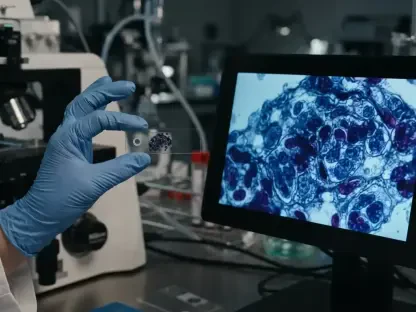

A tiny sensor strapped to a child’s wrist is no longer just a accessory; it has become a sophisticated guardian capable of predicting life-threatening infections before the first fever spike even occurs. This convergence of consumer electronics and medical-grade artificial intelligence is creating a digital safety net for the most vulnerable patients in the healthcare system. As oncology moves toward a model of continuous oversight, the significance of remote monitoring has grown from a supplemental convenience into a gold standard for managing complex recoveries. This shift represents a broader movement from reactive to proactive care, utilizing real-time data to protect children whose immune systems have been compromised by intensive treatments.
The Growth of Digital Health Interventions in Pediatric Cancer Care
Adoption Statistics: The Shift Toward Preventive Monitoring
While five-year survival rates for childhood cancer have climbed to exceed 80%, the clinical reality remains that infection is the primary complication during the treatment journey. Statistics reveal a stark necessity for better surveillance, as roughly 90% of pediatric patients experiencing side effects are specifically treated for infections. This high-risk window requires more than periodic hospital checkups; it demands a constant stream of physiological data to catch the subtle warning signs of sepsis or respiratory distress.
Current research efforts have scaled significantly to meet this demand, with the WEARABLES study at The Royal Children’s Hospital leading the charge. By recruiting 150 participants aged 5 to 18, researchers aim to validate AI-driven alerts that can distinguish between normal childhood activity and the onset of illness. This large-scale recruitment reflects a growing confidence in digital health tools to bridge the gap between clinical visits and daily life at home.
Real-World Application: The WEARABLES Study and Consumer Hardware
The transition toward high-tech oncology care is notably fueled by familiar consumer devices like the Apple Watch, which has been repurposed as a vital clinical tool. These devices monitor heart rates, respiratory patterns, blood oxygen, and physical activity in real-time, feeding the data into secure, custom-designed applications. The underlying AI synthesizes these metrics to identify physiological shifts that are often too subtle for parents or even experienced clinicians to detect through observation alone.
For patients like six-year-old Oliver, who is navigating the rigors of treatment for phenotype acute leukemia, this technology offers a “front foot” advantage. Instead of waiting for a high fever to trigger an emergency room visit, the wearable provides a layer of reassurance that complications are being tracked around the clock. This patient-centric approach reduces the psychological burden on families, transforming a volatile period of chemotherapy into a more controlled and predictable experience.
Expert Perspectives on the AI-Wearable Integration
Professor Rachel Conyers and other leading medical experts emphasize that the evolution of wearable features is fundamentally changing cardiac and infection-risk assessment. What began as a tool for simple ECG tracking has evolved into a comprehensive system for monitoring the long-term health of immunocompromised children. The medical community increasingly views these digital tools as essential for improving the quality of life for survivors, many of whom face a lifetime of potential health challenges.
The integration of AI also addresses the specific risks faced by the more than 25% of childhood cancer survivors who suffer from chronic health conditions later in life. Experts suggest that early intervention, enabled by continuous monitoring, can mitigate the severity of sudden illnesses that would otherwise become life-threatening. This professional consensus is driving a rapid move toward non-invasive solutions that prioritize patient comfort without sacrificing the precision of clinical data.
The Future of Data-Driven Pediatric Oncology
The evolutionary trajectory of oncology is moving toward a “hospital-in-the-home” model, where personalized data dictates the intensity of outpatient management. This shift will likely redefine hospital stays, allowing children to spend more time in their own environments while remaining under the watchful eye of an AI-managed safety system. As these models mature, they will reduce the overall burden on healthcare infrastructure by preventing unnecessary admissions and streamlining clinical workflows.
Navigating this future requires a careful balance between the benefits of surveillance and the necessity of data security. Ensuring that sensitive health metrics are protected is as critical as the monitoring itself, especially as AI systems become more autonomous in their risk assessments. Ultimately, the long-term goal is to ensure that the efficiency gained through technology translates into better outcomes, allowing pediatric survivors not just to recover, but to thrive without the constant shadow of medical uncertainty.
Conclusion: A New Era of Safety in Pediatric Cancer Treatment
The transformation of pediatric oncology through AI and wearable technology established a vital link between hospital protocols and the sanctuary of the home. Proactive monitoring ceased to be a luxury and became an essential component of the care plan for immunocompromised children. This evolution demonstrated that digital health interventions could effectively mitigate the risks of intensive therapy while providing families with much-needed stability. Continued investment in these technologies ensured that every child surviving cancer was supported by a sophisticated, data-driven recovery framework. The integration of consumer hardware into clinical workflows proved to be a decisive step in making pediatric care both more efficient and significantly safer.