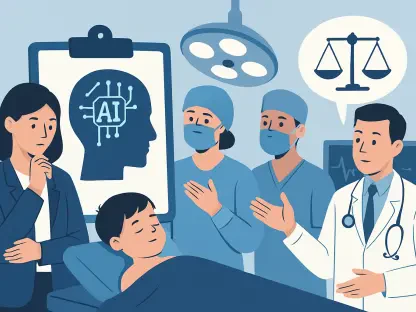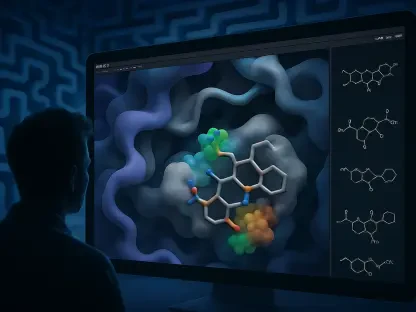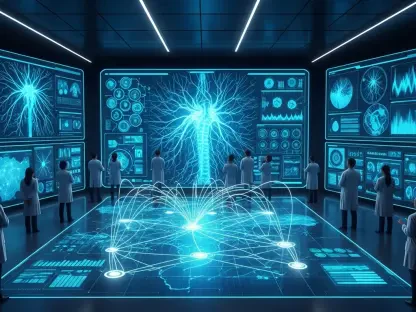

The integration of sophisticated computational algorithms into the oral healthcare sector has fundamentally altered the way clinicians approach patient diagnostics and long-term treatment planning. Rather than functioning as a futuristic concept reserved for science fiction, artificial intelligence

The human body possesses a remarkable yet often dormant ability to convert sedentary fat stores into active furnaces that burn calories just to generate heat. While the medical community has long understood the distinction between energy-storing white fat and energy-burning brown fat, the molecular

Ivan Kairatov stands at the intersection of biotechnology and clinical innovation, bringing years of experience in research and development to the complex world of biopharmaceuticals. As an expert in navigating the intricate pathways of neurodevelopmental disorders, he has dedicated his career to
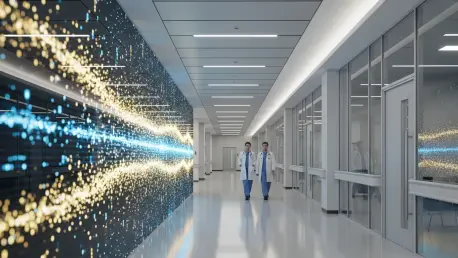
The healthcare landscape across Southeast Asia is currently undergoing a radical transformation that prioritizes the unique biological identity of every patient over generalized treatment protocols. This shift is most visible in the emergence of dedicated precision medicine hubs, such as those

Pancreatic cancer remains one of the most formidable challenges in modern oncology due to its asymptomatic progression and frequently late-stage discovery in patients who exhibit few early warning signs. To address this persistent diagnostic gap, a collaborative effort between National Taiwan
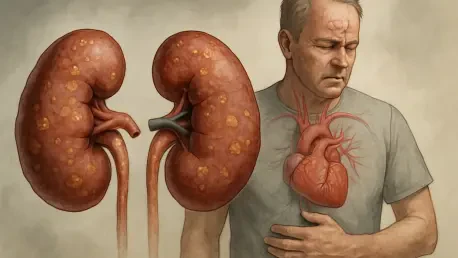
The silent progression of kidney disease has emerged as a formidable public health crisis in the United States, where nearly 15% of the adult population currently grapples with some form of renal impairment. These vital organs serve as the body's primary filtration system, meticulously removing