

The healthcare landscape is being reshaped by telehealth, an innovation that is transforming the delivery of care, particularly at the McGill University Health Centre (MUHC). This transformation is evident with the institution's initiative to integrate telehealth services deeply into their

In an era where medical advancements are accelerating at an unprecedented pace, the collaboration between Danaher Corporation and AstraZeneca represents a pivotal moment for personalized healthcare. These two industry giants have joined forces to develop AI-powered diagnostics that promise to

The COVID-19 pandemic brought about a significant surge in the adoption of telemedicine services across various sectors, especially in home healthcare. With restrictions in place, telehealth became a vital tool for ensuring continuity of care while maintaining social distancing protocols. However,

In today's rapidly advancing digital age, the integration of telehealth into the healthcare ecosystem has revolutionized how medical services are delivered worldwide. This seismic shift not only broadens access to essential healthcare services but also fundamentally redefines patient-doctor
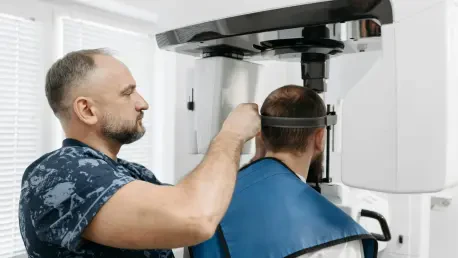
Artificial Intelligence (AI) has swiftly transitioned from speculative technology to a cornerstone of modern medical diagnostics, heralding a new era of healthcare innovation. As AI technologies integrate deeper into clinical settings, they are transforming the landscape of diagnostics by improving

Breast cancer remains a critical health concern, affecting approximately one in eight women during their lifetime. Despite significant progress in diagnostic and treatment modalities, discrepancies in outcomes persist, often exacerbated by racial and ethnic differences. Recent developments in