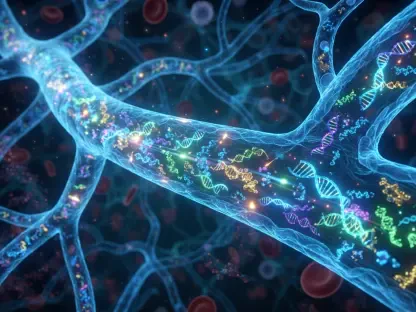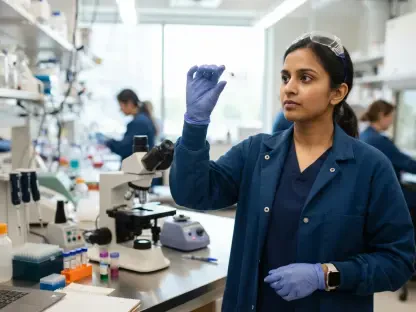

Biofilms formed by Staphylococcus aureus and Pseudomonas aeruginosa render standard antibiotics ineffective in treating deep dermatological trauma. This biological reality has pushed the field of regenerative medicine toward a major paradigm shift, where the focus has moved away from mere wound closure to the complete structural and functional restoration of human skin. A comprehensive review recently published in the Journal of Advanced Research details how engineered nanomaterials known as metal-based nanozymes are serving as the vanguard of this transformation. These sophisticated materials represent a fusion of nanotechnology and biochemistry, designed to mimic the catalytic behavior of natural enzymes while providing stability and versatility that biological proteins often lack. By establishing what researchers describe as a skin regeneration axis, these nanozymes address the multi-stage requirements of wound healing, ranging from the initial eradication of resistant infections to the eventual regrowth of complex appendages like hair follicles and sweat glands. This development comes at a critical time when chronic wounds, particularly diabetic foot ulcers, affect millions globally, creating a desperate need for therapies that go beyond superficial repair to achieve total biological integrity.
Intelligent Catalysis: Environmental Responses in Wound Care
Metal-based nanozymes are fundamentally designed to mimic the activities of several key natural enzymes, specifically peroxidase, superoxide dismutase, and catalase. The most remarkable aspect of these materials is their ability to alter their catalytic behavior in direct response to the specific microenvironment of the wound. During the early stages of infection, a wound typically exhibits an acidic pH due to metabolic shifts and bacterial activity. In these specific conditions, many metal nanozymes, such as those derived from iron or copper, exhibit peroxidase-like activity. They effectively convert endogenous hydrogen peroxide into highly reactive hydroxyl radicals, which act as a targeted chemical scalpel. These radicals are capable of shredding bacterial membranes and disrupting the integrity of mature biofilms without triggering the evolutionary pressure that leads to traditional antibiotic resistance. This selective destruction provides a powerful first-line defense that traditional pharmaceuticals often struggle to maintain in the presence of complex, multi-species bacterial colonies that protect themselves within a dense extracellular matrix.
As the healing process naturally progresses and the wound environment shifts toward a more alkaline state, these nanozymes undergo a functional transition to adopt a protective role. In this phase, the materials begin to exhibit superoxide dismutase and catalase-like activities, which allow them to scavenge harmful reactive oxygen species and decompose hydrogen peroxide into water and life-giving oxygen. This secondary action is crucial for relieving tissue hypoxia, which is a hallmark of non-healing chronic wounds. By mitigating oxidative stress, the nanozymes protect newly formed fibroblasts and keratinocytes from damage, creating a supportive environment for the reconstruction of the dermal layer. This dual-action mechanism—transitioning from a pathogen-destroying agent to a tissue-protecting antioxidant—ensures that the therapy remains relevant throughout the entire biological timeline of repair. This environmental responsiveness allows for a more personalized and automated approach to wound management, where the material itself adjusts its therapeutic output based on the real-time needs of the patient’s damaged tissue.
Elemental Diversity: Tailoring Metals for Regenerative Outcomes
The selection of specific metals for nanozyme construction allows clinicians and researchers to target various pathological aspects of the healing process. For instance, cerium dioxide nanozymes are highly prized for their unique redox cycle, which allows them to act as self-regenerating antioxidants that continuously neutralize reactive oxygen species without being consumed in the chemical reaction. In contrast, iron-based systems are frequently utilized for their ability to trigger Fenton chemistry, which is exceptionally effective at eradicating persistent bacterial colonies. Furthermore, iron nanozymes have shown significant potential in dampening specific signaling pathways, such as the TGF-β/Smad axis, which is notoriously responsible for the formation of excessive scar tissue. By modulating these pathways, iron-based materials help steer the body away from fibrosis and toward a more natural, organized tissue architecture that more closely resembles healthy skin.
Other essential elements like zinc and magnesium contribute unique structural and signaling benefits to the regeneration process. Zinc nanozymes support the remodeling of the extracellular matrix by influencing the activity of matrix metalloproteinases, which are vital for the proper organization of collagen fibers. Magnesium ions, on the other hand, play a critical role in neutralizing the excessive acidity found in chronic wounds and activating the biological pathways necessary for the development of hair follicles and sebaceous glands. Recent innovations have also introduced molybdenum and manganese into the therapeutic toolkit. Molybdenum has emerged as a powerful anti-fibrotic agent that prevents the activation of latent proteins responsible for scarring, while manganese is utilized for its superior ability to generate oxygen and protect delicate tissues from injuries caused by a lack of blood flow. This diverse palette of elemental properties enables the creation of highly specialized platforms that can be customized to treat specific types of skin trauma, from thermal burns to diabetic ulcers.
Structural Engineering: The Precision of Atomic Architecture
The efficiency of a metal-based nanozyme is not only a result of its elemental composition but also a product of its physical geometry and atomic arrangement. When these metallic particles are engineered at a scale below five nanometers, they enter a regime of quantum confinement that unlocks electronic properties and catalytic activities entirely absent in larger versions of the same material. This miniaturization increases the surface-area-to-volume ratio, ensuring that a higher percentage of atoms are available on the surface to participate in chemical reactions. The current pinnacle of this field is the development of single-atom nanozymes, where individual metal atoms are anchored onto a specialized support structure, such as nitrogen-doped carbon. This architecture ensures that every single atom acts as a catalytic center, mimicking the active sites of natural metalloenzymes with incredible precision and ensuring that the minimum amount of material produces the maximum therapeutic effect.
The physical morphology of the nanoparticle—whether it takes the form of a nanorod, a two-dimensional nanosheet, or a hollow nanocage—also plays a decisive role in its clinical effectiveness. Different geometric shapes expose specific crystal facets that require varying levels of energy to trigger chemical reactions, such as the creation of oxygen vacancies. Hollow nanocages are particularly advantageous because they function as miniature reactors that can trap and concentrate reactants, significantly accelerating the healing process within the local wound site. This level of architectural control allows for a pathology-centric design philosophy, where the physical form of the treatment is meticulously optimized to match the specific chemical requirements of a particular injury. By manipulating the physical structure at the atomic level, scientists can create materials that are not only more effective than traditional treatments but also safer, as they require lower concentrations of metal to achieve the desired clinical outcome.
Functional Recovery: Beyond Closure to Biological Restoration
One of the most significant advancements in this field is the move beyond simple wound closure toward the true regeneration of complex skin structures. Standard wound healing often results in the formation of a scar, which is essentially a mass of disorganized collagen that lacks the functional appendages of healthy skin, such as hair follicles and sweat glands. Metal nanozymes are demonstrating the potential to reverse this outcome by clearing the oxidative stress that typically suppresses the biological signals for appendage regrowth. In several preclinical models, nanozymes based on cerium and nickel-copper combinations have outperformed traditional hair-growth treatments. By activating essential signaling pathways, these materials can re-trigger the development of follicles and glands even in areas that would otherwise remain bare and scarred. This ability to restore the full functionality of the skin is a major milestone in improving the long-term quality of life for patients with extensive skin damage.
Furthermore, nanozymes address the aesthetic and functional challenges associated with scarring by carefully regulating the feedback loops that lead to the overproduction of collagen. By modulating the local chemical environment, these materials can effectively starve the cells responsible for scarring—known as myofibroblasts—of the raw materials and signals they need to build thick, disorganized fibers. This leads to a more balanced and organized dermal structure that maintains the elasticity and appearance of native skin. Metabolomic analyses have suggested that certain nanozymes can even guide the remodeling of the extracellular matrix so effectively that the final tissue is virtually indistinguishable from the original skin. The result is a healing process that does not just “patch” a hole in the body but restores a fully functional, self-regulating organ that can perform all the sensory and thermoregulatory duties of healthy human tissue.
Strategic Implementation: Navigating Clinical Safety and Scalability
While the preclinical results for metal-based nanozymes were overwhelmingly positive, the transition from laboratory research to standard clinical practice required the resolution of several complex challenges. Biosafety remained a primary focus, as certain metals like silver, copper, and manganese can pose long-term toxicity risks if they accumulate in the body’s organs. Researchers addressed this by developing biocompatible coatings and biodegradable delivery systems that ensured the nanoparticles were either safely metabolized or cleared from the system once their therapeutic task was complete. This meticulous attention to the metabolic fate of the nanozymes was essential for securing the trust of the medical community and meeting the rigorous safety standards required for human application. Additionally, the clear distinction between a drug-like catalytic effect and a device-like physical structure necessitated ongoing dialogue with regulatory bodies to define the appropriate approval pathways for these hybrid materials.
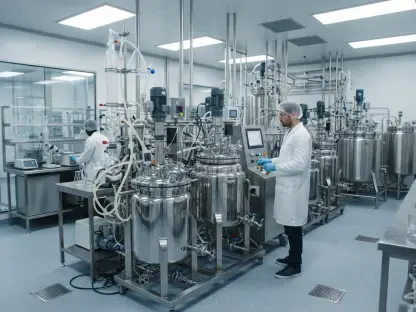
The final hurdles involved the manufacturing and scalability of these advanced systems to ensure they could be produced with perfect consistency at a commercial level. Producing high-performance materials like single-atom nanozymes requires precise control over the chemical environment, making large-scale production a formidable engineering feat. However, the development of the skin regeneration axis provided a robust roadmap for overcoming these obstacles, leading to the creation of “smart bandages” that can autonomously manage the entire healing cycle. These systems utilized real-time sensors to monitor pH and oxygen levels, allowing the nanozymes to switch their functions automatically as the wound moved through different biological stages. The team concluded that the integration of these materials into mainstream medicine offered a future where skin injuries were no longer life-altering events. By moving toward a model of true biological restoration, the study suggested that the ultimate goal of medicine had successfully shifted from simple survival to the total recovery of the human body’s most vital protective layer.