


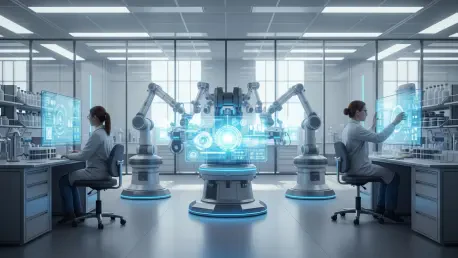

The persistent scarcity of qualified clinical laboratory professionals has reached a critical juncture where innovative technological interventions are no longer optional for maintaining operational stability and ensuring patient safety. In the current landscape of 2026, healthcare facilities are grappling with a significant deficit of medical technologists and laboratory technicians, leading to extended turnaround times and increased pressure on remaining staff members. This shortage is not merely a localized issue but a systemic challenge that threatens the very backbone of diagnostic medicine, where nearly seventy percent of medical decisions are based on laboratory results. As traditional recruitment strategies fall short of filling the widening gap, the industry has turned its attention toward advanced automation and artificial intelligence solutions. One such development is the implementation of Elsie, an intelligent system designed to streamline workflows and alleviate the burden of repetitive tasks for clinicians across the country.
Strategic Integration of Laboratory Automation
Enhancing Efficiency: Intelligent Systems
The deployment of Elsie represents a fundamental shift in how diagnostic facilities manage their daily operations by automating the most labor-intensive aspects of specimen processing and data entry. This system utilizes advanced machine learning algorithms to categorize samples, flag inconsistencies, and route high-priority tests without requiring constant human intervention or manual oversight. In 2026, the primary goal for laboratory directors is to maximize the utility of their existing staff by offloading routine technical duties to these intelligent agents. This transition effectively minimizes the risk of human error during the pre-analytical phase, which is historically where the majority of laboratory mistakes occur. Furthermore, Elsie provides real-time monitoring of equipment performance and reagent levels, ensuring that the laboratory environment remains optimized for continuous operation during high-volume periods throughout the day.
Managing Workflows: Force Multipliers
Beyond simple task automation, the implementation of these intelligent systems fosters a more resilient organizational structure that can adapt to fluctuating sample volumes and shifting diagnostic requirements. As the complexity of genomic testing and personalized medicine continues to grow, the demand for high-precision analytical work has surpassed the capacity of many traditional laboratory setups. Elsie serves as a force multiplier, enabling a smaller team of professionals to oversee a much larger and more complex output than was previously possible through manual methods alone. This technological synergy is crucial for maintaining the high standards of accuracy required in modern medicine while simultaneously addressing the mental fatigue and physical strain that contribute to high turnover rates in the field. By creating a collaborative environment where humans and machines work in tandem, laboratories can ensure that critical diagnostic information reaches physicians faster.
Long-Term Impacts on Diagnostic Quality
Professional Evolution: Future Standards
Looking forward from 2026 to 2028, the evolution of laboratory roles will likely emphasize the importance of technological literacy and data management alongside traditional clinical skills. The presence of Elsie and similar systems necessitates a shift in educational curricula for medical laboratory scientists, who must now be prepared to manage sophisticated AI interfaces and troubleshoot automated workflows. This evolution does not diminish the value of the human professional but rather elevates their role to that of a diagnostic consultant and systems manager. As these systems become more deeply embedded in the healthcare infrastructure, the focus will increasingly turn toward ensuring the security and integrity of the data being processed. Robust cybersecurity measures and rigorous validation protocols are essential to maintain public trust in automated diagnostics. This continuous improvement ensures that the laboratory remains at the cutting edge of modern technology.
Operational Success: Diagnostic Resilience
The widespread implementation of Elsie established a new paradigm for the diagnostic industry, effectively bridging the gap between high service demand and a dwindling workforce during a period of transition. Laboratory administrators recognized that the solution to the labor shortage involved a fundamental restructuring of professional responsibilities rather than a simple increase in hiring efforts. By prioritizing the integration of AI-driven tools, these organizations successfully stabilized their operations and improved the quality of their diagnostic services. The transition period demonstrated that the most effective path forward was the creation of a hybrid workforce where human intuition was supported by machine precision. Clinical professionals who previously spent hours on manual documentation transitioned into roles focused on complex case reviews and quality management. This shift allowed laboratories to handle the increasing volume of specialized testing and ensured the sustainability of diagnostics.







